25 books that survived every list, prize and argument of the year
CE
Caleido Editorial TeamJuly 25, 202618 min read0 views
The pleasing thing about books is that the year's verdict arrives slowly. Critics publish in December, the Pulitzer lands the following May, and by the time everyone has finished arguing you can see which titles actually held. 2025's answer is unusually clear.
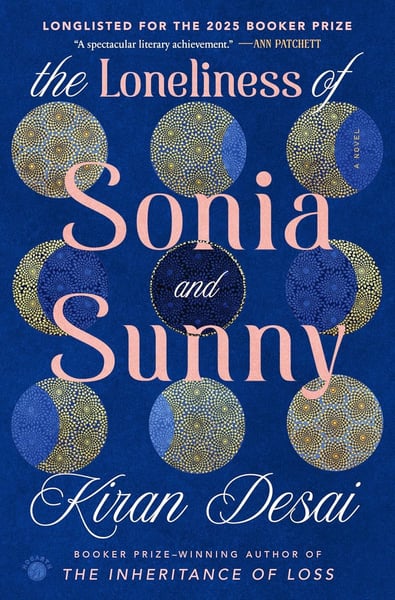
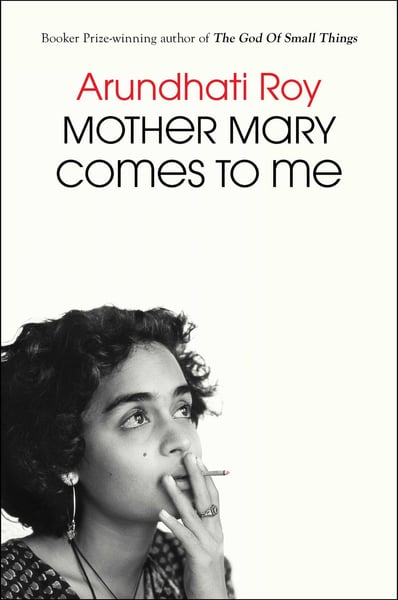
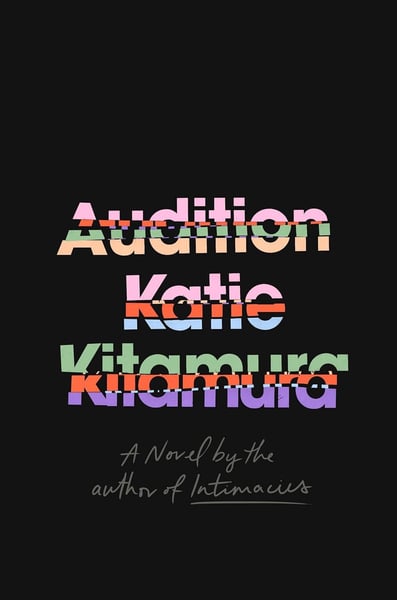
Two books topped the aggregate: Kiran Desai's The Loneliness of Sonia and Sunny — her first novel in nearly twenty years — and Arundhati Roy's memoir of her mother, Mother Mary Comes to Me. Each appeared on twenty-one of the fifty-odd best-of lists surveyed. Behind them, Katie Kitamura's Audition managed the rare trick of being both a formal experiment and a book everybody read.
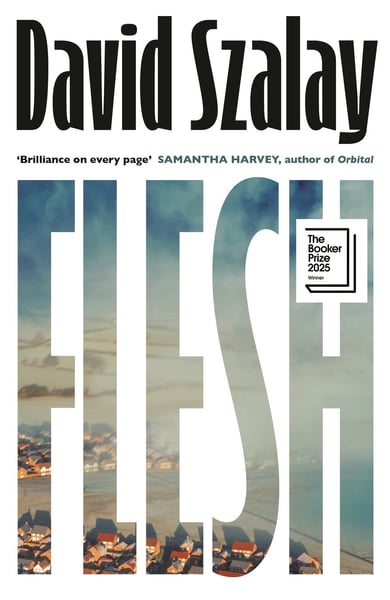
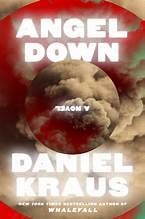
The prizes went elsewhere, which is usually a good sign for a year's depth. The Booker went to David Szalay's Flesh, a novel written in a deliberately flattened register that some readers found cold and others found devastating. The Pulitzer went to Daniel Kraus's Angel Down, a First World War novel composed as a single unbroken sentence. The National Book Critics Circle gave fiction to Han Kang's We Do Not Part, her first book since the Nobel. And the Nobel itself went to László Krasznahorkai, a writer whose sentences make Kraus look restrained.
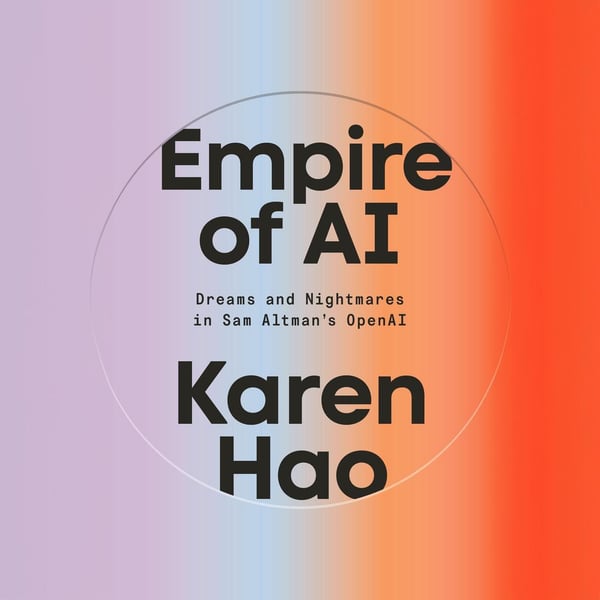
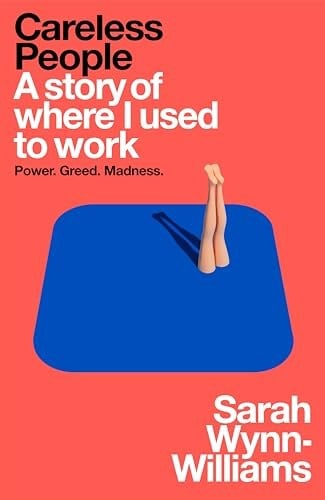
Nonfiction was, if anything, the stronger half. Omar El Akkad's One Day, Everyone Will Have Always Been Against This took the National Book Award; Karen Hao's Empire of AI took the NBCC and became the year's defining book about the industry reshaping everything; Caroline Fraser braided a childhood in the Pacific Northwest with its serial killers and its lead smelters in Murderland; and Sarah Wynn-Williams published a Facebook memoir her former employer tried to silence.
A note on dating: books are placed by their first publication year, which is how Caleido dates them. Several titles that reached American readers in 2025 first appeared in 2024 elsewhere and are therefore not here.
Use the checklist below to track what you have read.
Nearly twenty years after The Inheritance of Loss, Desai returns with a very long novel about two Indians abroad whose lives keep almost intersecting and never quite do. It appeared on more best-of lists than any other book of the year and was shortlisted for the Booker: a study of the specific loneliness of people who have left one country and not fully arrived in another.
Roy's memoir of her mother — the educator and activist Mary Roy, who won a landmark inheritance case and was, by her daughter's account, impossible to live with. It is a book about being formed by someone you had to escape, and it matched Desai's novel for list appearances. Roy has never written anything this exposed.
An actress meets a young man who may or may not be her son, and the novel then restarts and tells you something incompatible. Kitamura refuses to resolve which half is true, and the effect is genuinely destabilising rather than clever. Booker shortlisted and a Pulitzer finalist — the most discussed novel of the year.
A love triangle from a college winter, reopened decades later when one of the three writes about it. Lily King is very good at the way old feeling survives intact under everything built on top of it, and this is her most emotionally efficient book. Nineteen best-of lists.
Near-future Kolkata, water running out, a family trying to get on a flight out — and the theft that undoes their plan. Majumdar's follow-up to A Burning converts climate collapse into a thriller-tight moral problem, and eighteen critics' lists agreed she pulled it off.
The Booker winner: a Hungarian teenager drifts through the army, prison, London money and back out again, narrated in a register so flat it is almost an accusation. Szalay withholds interiority on purpose, and the reader ends up supplying the feeling the sentences refuse. Divisive, and deservedly so.
El Akkad's essay on Gaza and on the Western liberalism he once believed in — written in the certainty that the consensus will eventually shift and everyone will claim they always knew. It won the National Book Award for nonfiction and appeared on sixteen lists. Furious, controlled, and impossible to read comfortably.
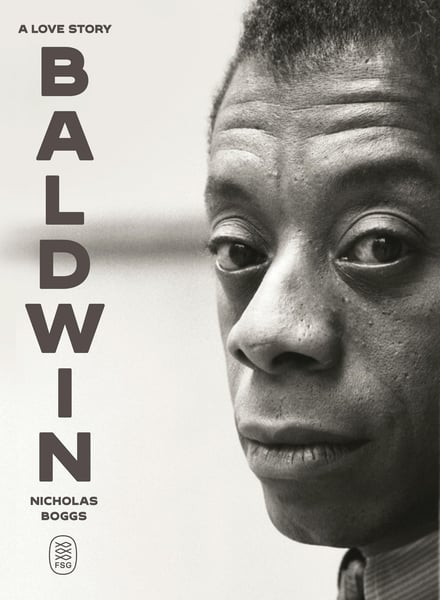
Nicholas Boggs · LGBTQ biography and memoir, Biography, Nonfiction
The first major James Baldwin biography in decades, organised around the four men he loved and the work each of them shaped. Boggs had access to unpublished material and uses it to argue that Baldwin's romantic life was not biographical background but the engine of the essays. Sixteen lists.
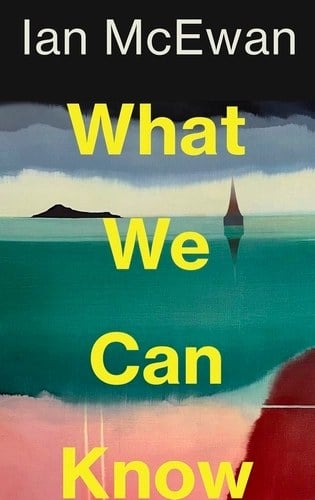
In a flooded, diminished future, a scholar reconstructs a poem read aloud at a dinner party in 2014 and lost since. McEwan uses the frame to ask what survives of a civilisation and who gets to interpret it. His best-received novel in years, and the funniest thing he has written about academia.
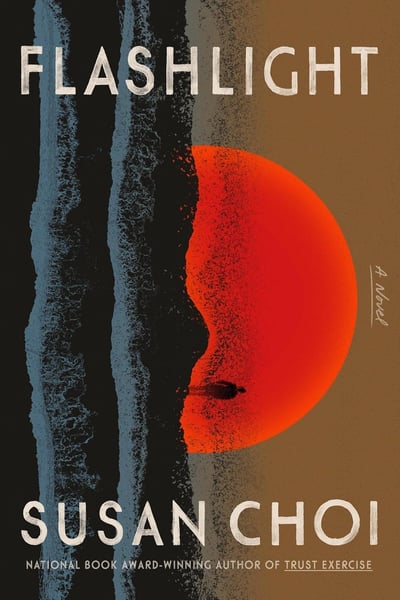
A girl walks on a Japanese beach at night with her father; only she comes back. Choi spends the rest of the novel widening the frame until the disappearance sits inside the history of North Korea's abductions. Booker shortlisted, and structurally the most ambitious American novel of the year.
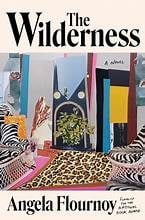
Four Black women, friends since their twenties, followed across two decades of Los Angeles ambition, motherhood and drift. Flournoy's first novel since The Turner House earns its length through accumulation rather than event — the friendships change the way real ones do, without anyone announcing it.
The Pulitzer winner, and the year's biggest formal gamble: American soldiers find a wounded angel in No Man's Land, and the whole novel is delivered as one unbroken sentence. It should be exhausting; instead the syntax works like shellfire, refusing anyone a place to stop and think.
G. W. Pabst, one of Weimar cinema's greatest directors, goes to Hollywood, fails, returns to Austria for a family visit in 1939 and cannot get out — then starts making films for the Reich. Kehlmann writes complicity as a series of small reasonable decisions. One of the New York Times's ten best.
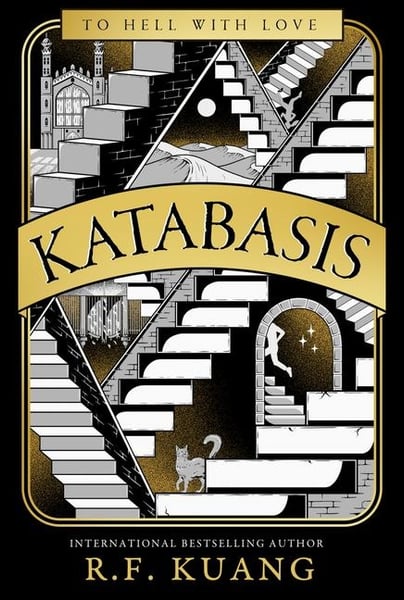
Two rival Cambridge magic students descend into Hell to retrieve the soul of the supervisor who ruined both their lives. Kuang's satire of academia is sharp enough to sting anyone who has done a PhD, and the underworld logic is genuinely inventive. A Nebula nominee and on thirteen critics' lists.
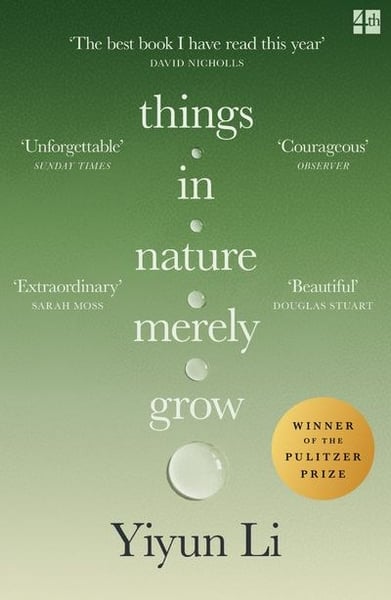
Li lost both of her sons to suicide, seven years apart. This is what she wrote afterwards: a refusal of consolation, of narrative, of the idea that grief teaches anything. It is one of the most rigorous books about loss ever written, precisely because it declines to be moving on demand.
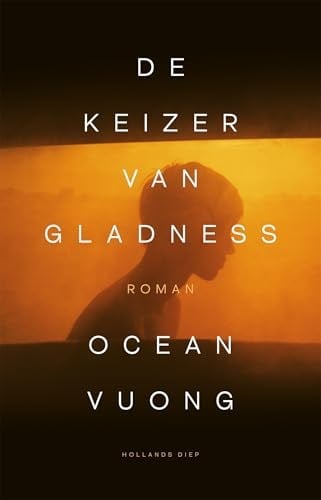
A young man in a dying Connecticut town becomes carer to an elderly Lithuanian widow with dementia, and takes a job at a fast-food franchise staffed by people the economy has finished with. Vuong's second novel is warmer and funnier than his first, and much better at other people.
A woman crosses to Jeju in a blizzard to keep a hospitalised friend's bird alive, and walks into the buried history of the island's 1948 massacre. Han Kang's first book in English since the Nobel won the National Book Critics Circle Award for fiction. Snow, silence, and an atrocity the state spent decades denying.
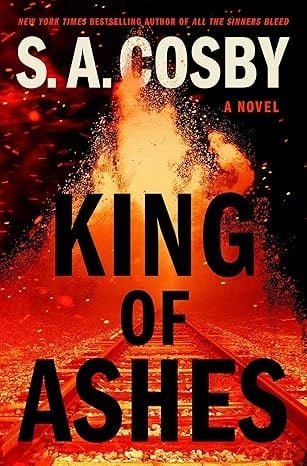
A financial adviser comes home to Virginia when his father is run off the road and finds his brother in debt to people who settle accounts in the family crematorium. Cosby's Godfather-shaped Southern noir was the crime novel of 2025 by acclamation — twelve best-of lists, and the prose keeps pace with the plot.
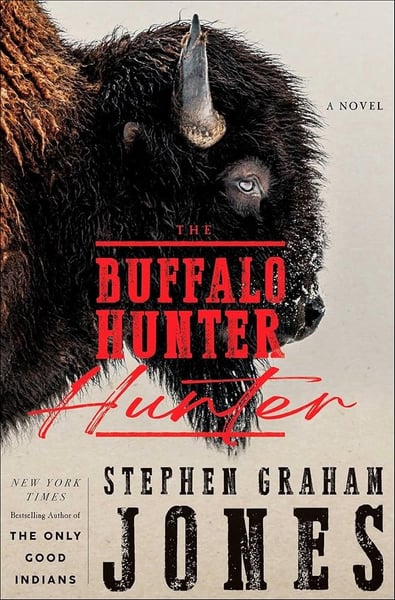
A 1912 Lutheran pastor's journal records the confessions of Good Stab, a Blackfeet man who has become something that feeds — and who has been working through the men responsible for the Marias Massacre. Horror as historical reckoning, and Jones's best novel: twelve lists and a Nebula nomination.
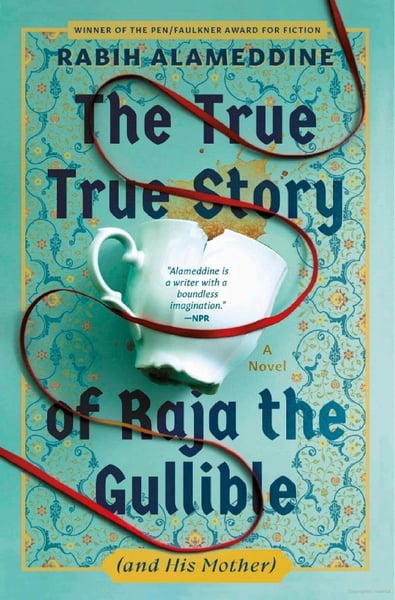
The National Book Award winner for fiction: a Lebanese man's life told with the digressive, self-interrupting comedy of someone who cannot let a story go unembellished. Alameddine has always been funny about displacement; here the unreliability is the whole architecture.
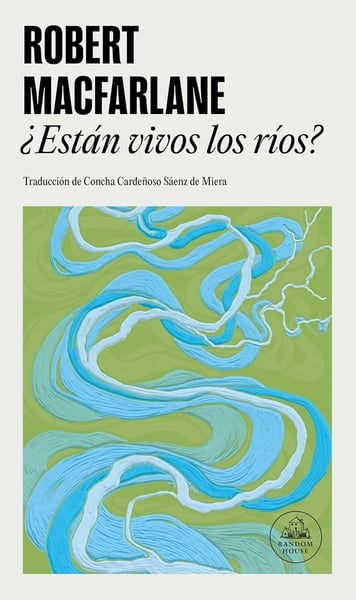
Macfarlane follows the movement to grant rivers legal personhood to Ecuador, India and Quebec, and comes back convinced the question in his title is not rhetorical. His best book since Underland — the nature writing is as good as ever, and the legal argument gives it teeth.
The definitive account of OpenAI's transformation from nonprofit to empire, reported over years and unusually good on the labour — the data annotators in Kenya, the water and power the models consume. It won the National Book Critics Circle Award for nonfiction and remains the book to hand anyone who thinks this is all abstract.
Three Swedish-Tunisian sisters, observed obsessively across decades by a narrator who keeps inserting himself into their story. Khemiri's novel is about the violence of being someone else's material, and it was one of the New York Times's ten best books of the year.
A former Facebook policy director's account of seven years inside the company, published over Meta's legal objections and promptly a bestseller. The anecdotes are damning, but the real argument is structural: enormous power held by people with no apparent interest in what it does.
Fraser grew up on Mercer Island while Ted Bundy was working the Pacific Northwest, and this braids that childhood with the region's cluster of serial killers and the lead smelters poisoning its air. The causal claim is bold; the writing, from a Pulitzer-winning biographer, is exceptional.
How this list was made
Cross-referenced against Literary Hub's aggregate of 58 best-of-2025 lists from 49 outlets, the New York Times 10 Best Books of 2025, the Guardian's books of the year, and the results of the Booker Prize, the Pulitzer Prize, the National Book Awards, the National Book Critics Circle Awards, the Women's Prize and the Nobel Prize in Literature. Ordering reflects combined critical standing, not sales. Editions, authors and publication years are verified against Open Library.





No comments yet — be the first.