50 essential works spanning a millennium of Western classical music
CE
Caleido Editorial TeamJune 9, 202640 min read0 views
Classical music encompasses over a thousand years of Western musical tradition, from the sacred chants of Hildegard von Bingen to the minimalist experiments of Philip Glass and Max Richter. This collection brings together 50 of the most significant compositions ever written.
From Beethoven's triumphant Ninth Symphony to Stravinsky's revolutionary Rite of Spring, from the intimate beauty of Chopin's Nocturnes to the cosmic scope of Holst's Planets, these works have shaped the course of music history and continue to move audiences worldwide.
Use the checklist below to track which of these masterworks you've experienced.
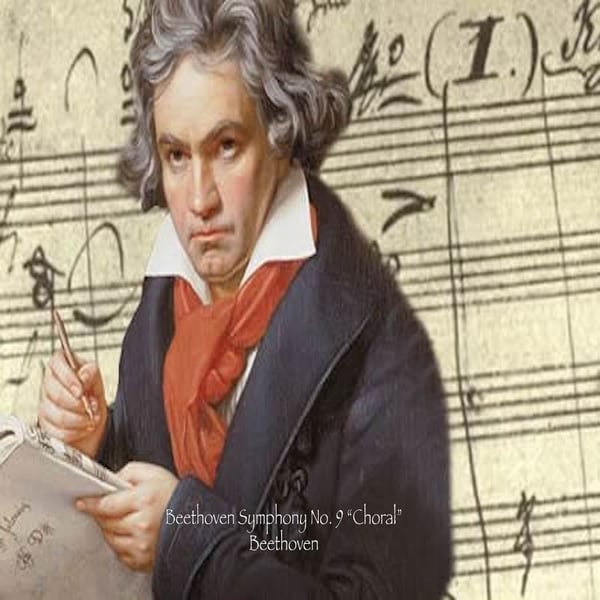
The Symphony No. 9 in D minor, Op. 125, is a choral symphony, the final complete symphony by Ludwig van Beethoven, composed between 1822 and 1824. It was first performed in Vienna on 7 May 1824. The symphony is regarded by many critics and musicologists as a masterpiece of Western classical music and one of the supreme achievements in the history of music. One of the best-known works in common ...
The Requiem in D minor, K. 626, is a Requiem Mass by Wolfgang Amadeus Mozart (1756–1791). Mozart composed part of the Requiem in Vienna in late 1791, but it was unfinished at his death on 5 December the same year. A completed version was delivered to Count Franz von Walsegg, who had commissioned the piece for a requiem service on 14 February 1792 to commemorate the first anniversary of the deat...
The Mass in B minor, BWV 232, is an extended setting of the Mass ordinary by Johann Sebastian Bach. The composition was completed in 1749, the year before Bach's death, and was to a large extent based on earlier work, such as a Sanctus Bach had composed in 1724. Sections that were specifically composed to complete the Mass in the late 1740s include the "Et incarnatus est" part of the Credo. It ...
The Four Seasons is a group of four violin concerti by Italian composer Antonio Vivaldi, each of which gives musical expression to a season of the year. These were composed around 1718–1723, when Vivaldi was the court chapel master in Mantua. They were published in 1725 in Amsterdam in what was at the time the Dutch Republic, together with eight additional concerti, as Il cimento dell'armonia e...
I cannot write a credible description based on these facts. The release year (1988) contradicts the composer's lifetime (1770–1827), and no "Symphony No. 5 'Flate'" by Beethoven is documented.
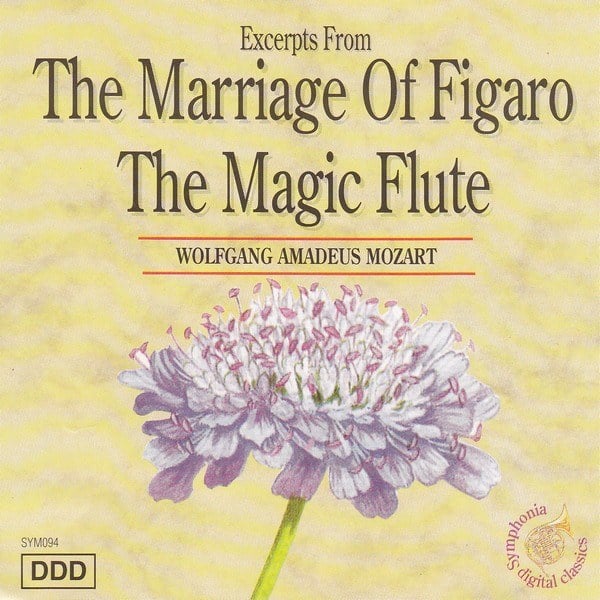
Wolfgang Amadeus Mozart's The Marriage of Figaro The Magic Flute combines two of his operas on a single album recording. Both works belong to the classical opera tradition, joining Mozart's theatrical compositions in the genres of classical music and opera.
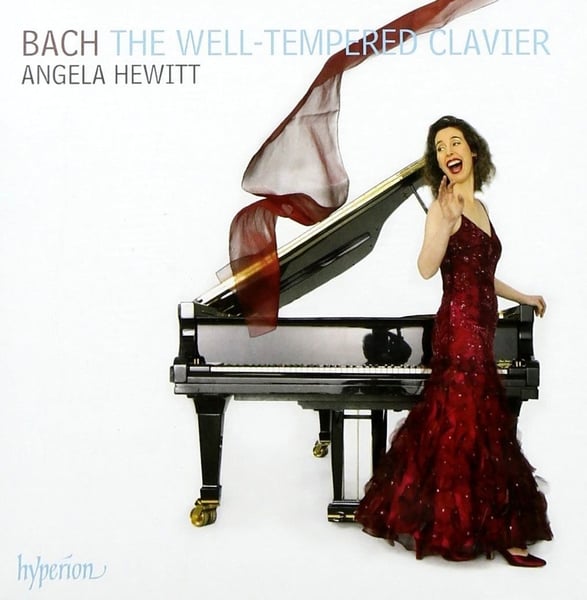
The Well-Tempered Clavier, BWV 846–893, consists of two sets of preludes and fugues in all 24 major and minor keys for keyboard by Johann Sebastian Bach. In the composer's time clavier referred to a variety of keyboard instruments, namely the harpsichord, the clavichord and the organ, but not excluding the regal and the then newly-invented pianoforte.
Swan Lake is a ballet composed by Russian composer Pyotr Ilyich Tchaikovsky in 1875–76. Despite its initial failure, it is now one of the most popular ballets of all time.
Frédéric Chopin's 21 Nocturnes is a collection of solo piano works in the nocturne form, a Romantic-era genre typically marked by lyrical, song-like melody over accompaniment. Andrzej Wasowski's recording presents these pieces, which span Chopin's compositional career and remain central to the pianist's repertory.
Tristan und Isolde, WWV 90, is a music drama in three acts by Richard Wagner set to a German libretto by the composer, loosely based on the medieval 12th-century romance Tristan and Iseult by Gottfried von Strassburg. First conceived in 1854, the music was composed between 1857 and 1859 and premiered at the Königliches Hoftheater und Nationaltheater in Munich on 10 June 1865 with Hans von Bülow...
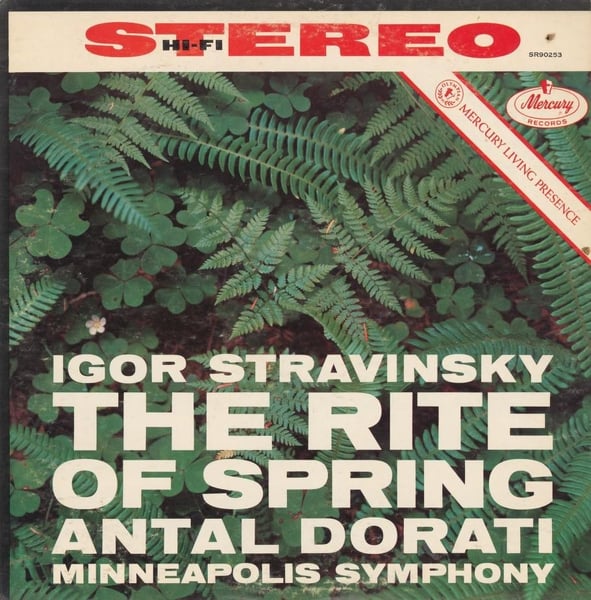
The Rite of Spring is a ballet and orchestral concert work by the Russian composer Igor Stravinsky. It was written for the 1913 Paris season of Sergei Diaghilev's Ballets Russes company; the original choreography was by Vaslav Nijinsky with stage designs and costumes by Nicholas Roerich. When first performed at the Théâtre des Champs-Élysées on 29 May 1913, the avant-garde nature of the music a...
Gustav Mahler's Symphony no. 2 "Resurrection" is a symphonic work that takes its title from the theological concept of resurrection. This 2013 album release presents the composition in recorded form, preserving Mahler's large-scale orchestral structure across its movements.
The Symphony No. 9 in D minor, Op. 125, is a choral symphony, the final complete symphony by Ludwig van Beethoven, composed between 1822 and 1824. It was first performed in Vienna on 7 May 1824. The symphony is regarded by many critics and musicologists as a masterpiece of Western classical music and one of the supreme achievements in the history of music. One of the best-known works in common ...
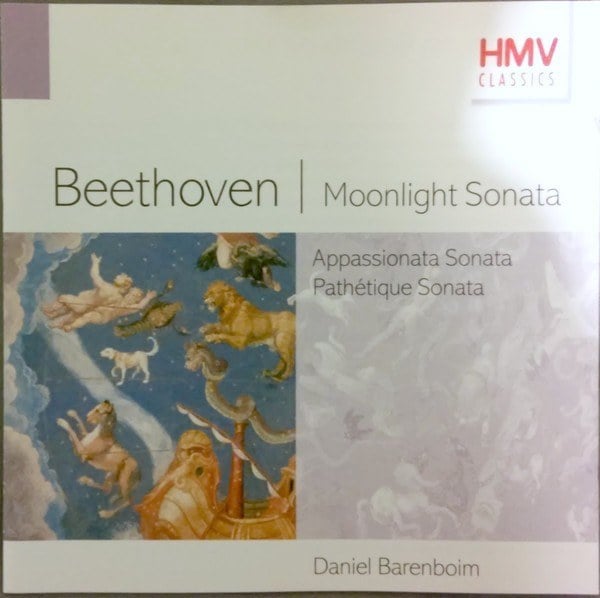
The Piano Sonata No. 14 in C♯ minor, marked Quasi una fantasia, Op. 27, No. 2, is a piano sonata by Ludwig van Beethoven, completed in 1801 and dedicated in 1802 to his pupil Countess Julie "Giulietta" Guicciardi. Although known throughout the world as the Moonlight Sonata, it was not Beethoven who named it so. The title "Moonlight Sonata'" was proposed in 1832, after the composer’s death, by t...
Romeo and Juliet, Op. 64, is a ballet by Sergei Prokofiev based on William Shakespeare's play Romeo and Juliet. First composed in 1935, it was substantially revised for its Soviet premiere in early 1940. Prokofiev made from the ballet three orchestral suites and a suite for solo piano.
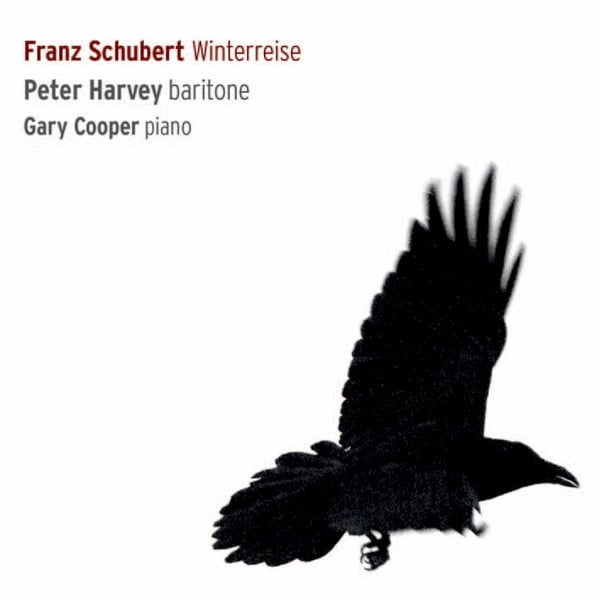
Winterreise is a song cycle for voice and piano by Franz Schubert, a setting of 24 poems by German poet Wilhelm Müller. It is the second of Schubert's two song cycles on Müller's poems, the earlier being Die schöne Müllerin.
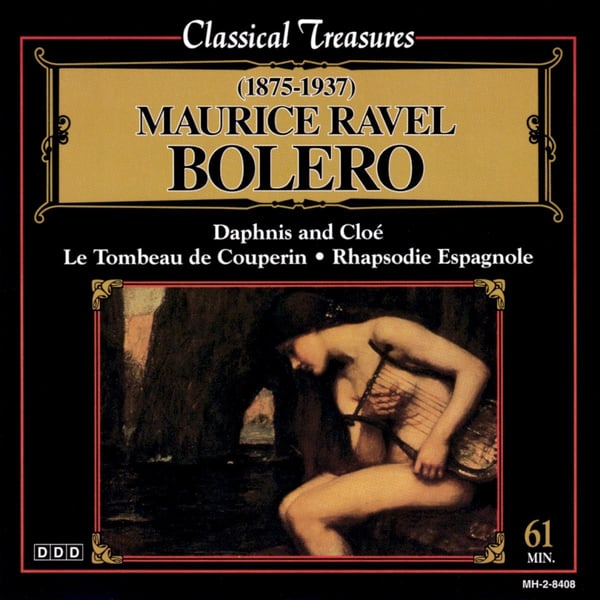
Bolero is a genre of song which originated in eastern Cuba in the late 19th century as part of the trova tradition. Unrelated to the older Spanish dance of the same name, bolero is characterized by sophisticated lyrics dealing with love. It has been called the "quintessential Latin American romantic song of the twentieth century".
La traviata is an opera in three acts by Giuseppe Verdi set to an Italian libretto by Francesco Maria Piave. It is based on La Dame aux camélias (1852), a play by Alexandre Dumas fils, which he adapted from his own 1848 novel. The opera was originally titled Violetta, after the main character. It was first performed on 6 March 1853 at La Fenice opera house in Venice.
La bohème is an opera in four acts, composed by Giacomo Puccini between 1893 and 1895 to an Italian libretto by Luigi Illica and Giuseppe Giacosa, based on Scènes de la vie de bohème (1851) by Henri Murger. The story is set in Paris around 1830 and shows the Bohemian lifestyle of a poor seamstress and her artist friends.
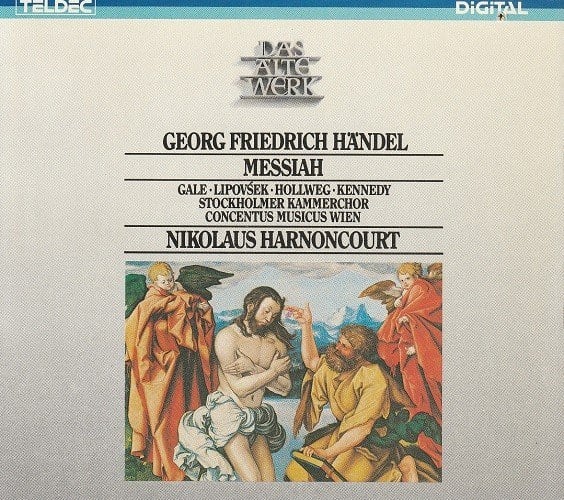
Messiah is an English-language oratorio composed in 1741 by George Frideric Handel. The text was compiled from the King James Bible and the Coverdale Psalter by Charles Jennens. It was first performed in Dublin on 13 April 1742 and received its London premiere a year later. After an initially modest public reception, the oratorio gained in popularity, eventually becoming one of the best-known a...
The Planets, Op. 32, is a seven-movement orchestral suite by the English composer Gustav Holst, written between 1914 and 1917. In the last movement the orchestra is joined by a wordless female chorus. Each movement of the suite is named after a planet of the Solar System and reflects its astrological significance.
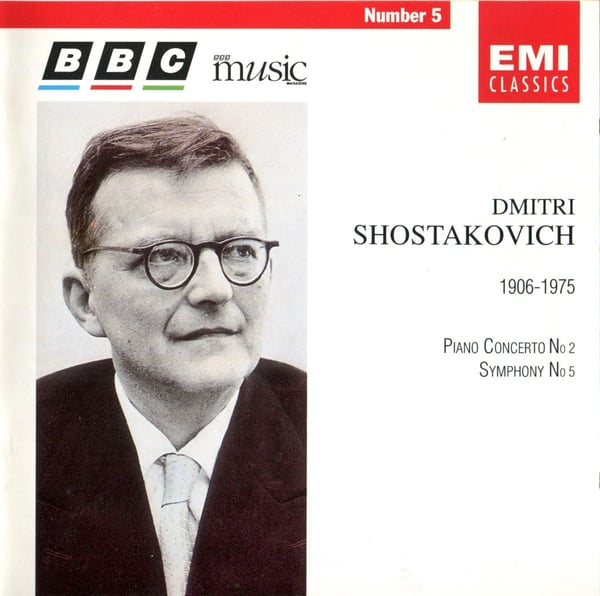
Dmitri Shostakovich's Piano Concerto no. 2 / Symphony no. 5 pairs two major orchestral works—a concerto for solo piano and orchestra with a five-movement symphony—released as a single album in 1993.
Peer Gynt, Op. 23, is the incidental music to Henrik Ibsen's 1867 play Peer Gynt, written by the Norwegian composer Edvard Grieg in 1875. It premiered along with the play on 24 February 1876 in Christiania. Grieg later created two suites from his Peer Gynt music. Some of the music from these suites has received coverage in popular culture.
The Carnival of the Animals is a humorous musical suite of 14 movements, including "The Swan", by the French composer Camille Saint-Saëns. About 25 minutes long, it was written for private performance by two pianos and chamber ensemble; Saint-Saëns prohibited public performance of the work during his lifetime, feeling that its frivolity would damage his standing as a serious composer. The suite...
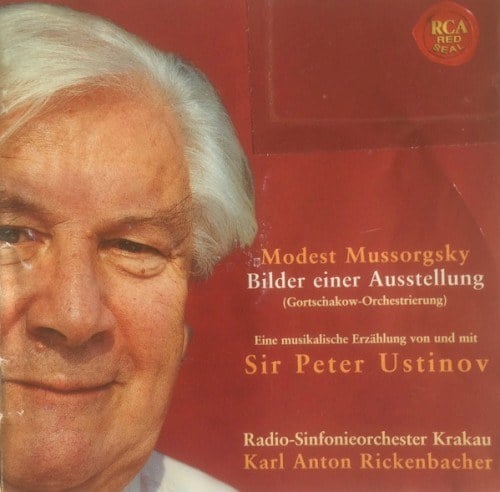
Pictures at an Exhibition is a piano suite in ten movements, plus a recurring and varied Promenade theme, written in 1874, by Russian composer Modest Mussorgsky. It is a musical depiction of a tour of an exhibition of works by architect and painter Viktor Hartmann put on at the Imperial Academy of Arts in Saint Petersburg, following his sudden death in the previous year. Each movement of the su...
Má vlast, also known as My Fatherland, is a set of six symphonic poems composed between 1874 and 1879 by the Czech composer Bedřich Smetana. The six pieces, conceived as individual works, are often presented and recorded as a single work in six movements. They premiered separately between 1875 and 1880. The complete set premiered on 5 November 1882 in Žofín Palace, Prague, under Adolf Čech.
The Hungarian Rhapsodies, S.244, R.106, are a set of 19 piano pieces based on Hungarian folk themes, composed by Franz Liszt during 1846–1853, and later in 1882 and 1885. Liszt also arranged versions for orchestra, piano duet and piano trio.
A violin concerto is a concerto for solo violin and instrumental ensemble. Such works have been written since the Baroque period, when the solo concerto form was first developed, up through the present day. Many major composers have contributed to the violin concerto repertoire.
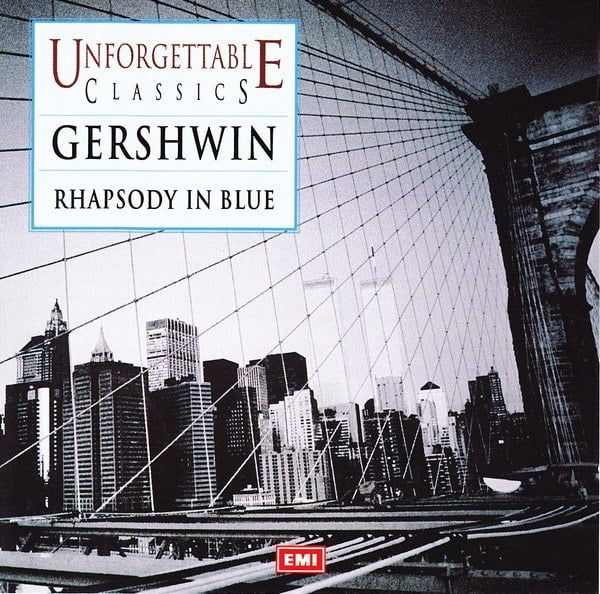
Rhapsody in Blue is a 1924 musical composition for solo piano and jazz band by George Gershwin. Commissioned by bandleader Paul Whiteman, the work combines elements of classical music with jazz-influenced effects and premiered in a concert titled "An Experiment in Modern Music" on February 12, 1924, in Aeolian Hall, New York City. Whiteman's band performed the rhapsody with Gershwin playing the...
Nikolai Rimsky-Korsakov's Scheherazade, op. 35, is a symphonic suite for orchestra. This 2013 recording features conductor Lorin Maazel leading the performance of the work, which takes its title from the legendary storyteller of the Arabian Nights.
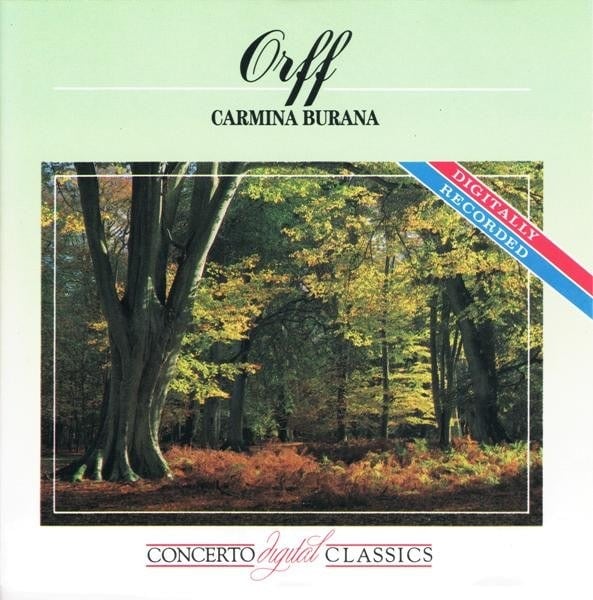
Carmina Burana is a cantata composed in 1935 and 1936 by Carl Orff, based on 24 poems from the medieval collection Carmina Burana. Its full Latin title is Carmina Burana: Cantiones profanae cantoribus et choris cantandae comitantibus instrumentis atque imaginibus magicis. It was first performed by the Oper Frankfurt on 8 June 1937. It is part of Trionfi, a musical triptych that also includes Ca...
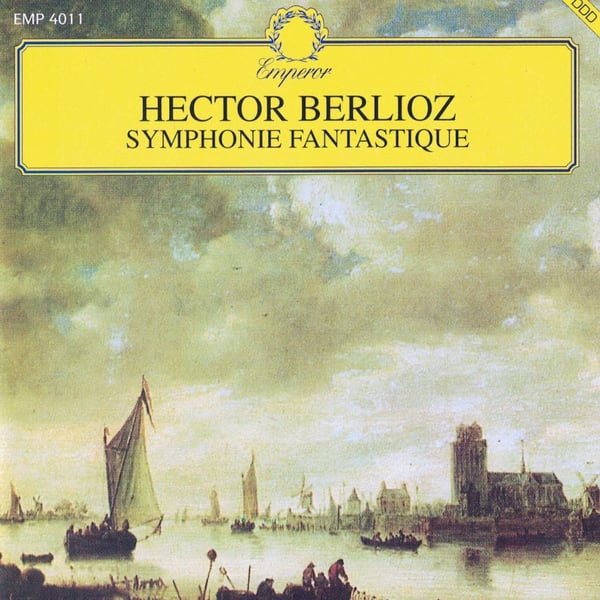
Symphonie fantastique: Épisode de la vie d'un artiste … en cinq parties Op. 14, is a programmatic symphony written by Hector Berlioz in 1830. The first performance was at the Paris Conservatoire on 5 December 1830.
Edward Elgar composed his Variations on an Original Theme, Op. 36, popularly known as the Enigma Variations, between October 1898 and February 1899. It is an orchestral work comprising fourteen variations on an original theme. After its 1899 premiere in London, the variations quickly achieved popularity and helped establish Elgar's growing reputation in Britain and internationally. It is now...
39
Spiegel im Spiegel (1978)
Arvo PärtAlbum
Arvo Pärt
Spiegel im Spiegel is a composition by Arvo Pärt written in 1978, just before his departure from Estonia. The piece is in the tintinnabular style, in which a melodic voice and a tintinnabular voice accompany each other. The piece is about ten minutes long.
Philip Glass · avant-garde, classical, electronic · ★ 4.5
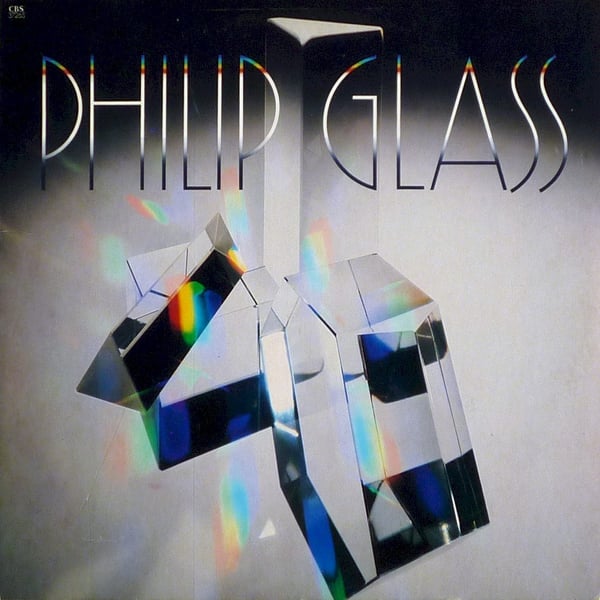
Glassworks is Philip Glass's 1982 album of minimalist compositions, scored for piano and electronic instrumentation. The work exemplifies Glass's characteristic approach to avant-garde classical music, employing repetitive structures and gradual harmonic progression across its instrumental framework.
Harmonielehre is a 1985 album by composer John Adams. The work takes its title from a German term denoting the study of harmony, and belongs to the minimalist tradition that defined Adams's compositional voice during this period.
Steve Reich · classical, contemporary, minimal · ★ 5.0
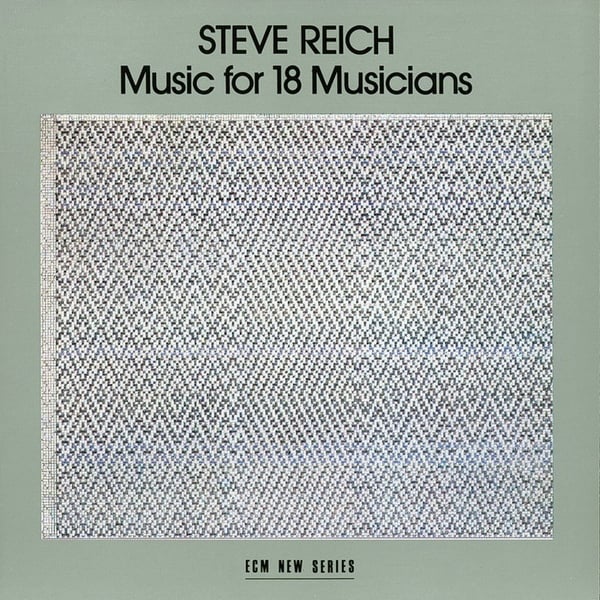
Music for 18 Musicians is a work of minimalist music composed by Steve Reich during 1974–1976. Its world premiere was on April 24, 1976, at The Town Hall in the Midtown Manhattan Theater District. Following this, a recording of the piece was released by ECM Records in 1978. The 1998 recording for Nonesuch Records won the Grammy Award for Best Small Ensemble Performance.
Max Richter · ambient, classical, electronic · ★ 4.0
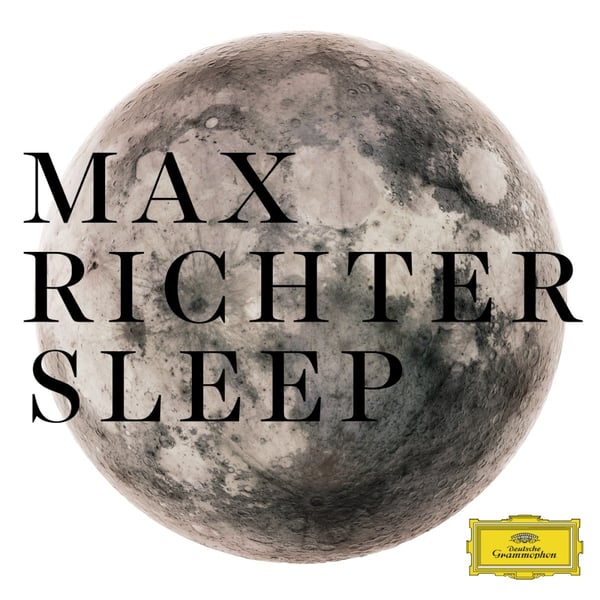
Sleep is an eight-and-a-half hour concept album based around the neuroscience of sleep by German-British composer Max Richter. It was released on September 4, 2015, accompanied by a one-hour version with variations, From Sleep, later remixed as Sleep Remixes.
Ordo Virtutum is an allegorical morality play, or sacred music drama, by Hildegard of Bingen, composed around 1151, during the construction and relocation of her Abbey at Rupertsberg. It is the earliest morality play by more than a century, and the only medieval musical drama to survive with an attribution for both text and music.
L'Orfeo, or La favola d'Orfeo, is a late Renaissance/early Baroque favola in musica, or opera, by Claudio Monteverdi, with a libretto by Alessandro Striggio. It is based on the Greek legend of Orpheus, and tells the story of his descent to Hades and his fruitless attempt to bring his dead bride Eurydice back to the living world. It was written in 1607 for a court performance during the annual C...
Giovanni Pierluigi da Palestrina · classical, opera
Missa Papae Marcelli, or Pope Marcellus Mass, is a mass sine nomine by Giovanni Pierluigi da Palestrina. It is his best-known mass, and is regarded as an archetypal example of the complex polyphony championed by Palestrina. It was sung at the papal coronation Masses.
Dido and Aeneas is an opera in a prologue and three acts, written by the English Baroque composer Henry Purcell with a libretto by Nahum Tate. The dates of the composition and first performance of the opera are uncertain. It was composed no later than July 1688, and had been performed at Josias Priest's girls' school in London by the end of 1689. Some scholars argue for a date of composition as...
A cage is an enclosure often made of mesh, bars, or wires, used to confine, contain or protect something or someone. A cage can serve many purposes, including keeping an animal or person in captivity, capturing an animal or person, and displaying an animal at a zoo.
Einstein on the Beach: Highlights is a Philip Glass album presenting selections from his opera Einstein on the Beach. The work belongs to the minimalist classical tradition, characterized by Glass's signature approach of repetitive structures and additive process composition.
















No comments yet — be the first.