30 unforgettable first novels that launched legendary careers
CE
Caleido Editorial TeamJune 1, 202625 min read0 views
There is something magical about a debut novel. It is the moment an author steps onto the literary stage for the first time, often with a raw intensity and fearless originality that can never quite be replicated. Some of the greatest works in the history of literature were first novels — bold declarations of talent that announced the arrival of voices that would shape the world.
From Mary Shelley writing Frankenstein at just eighteen to Zadie Smith capturing multicultural London in White Teeth at twenty-four, these debut novels span two centuries of literary ambition. They include Gothic masterpieces, social critiques, coming-of-age stories, and works of magical realism — all united by the electric energy of a writer with something urgent to say.
Use the checklist below to track your way through these remarkable first novels.
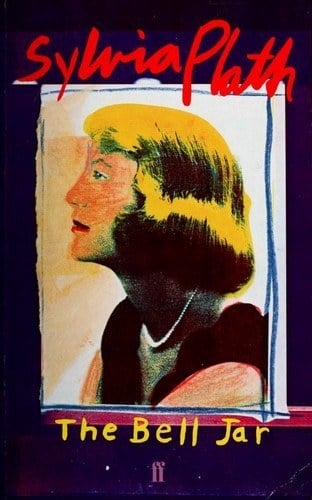
Sylvia Plath · American literature, Mental illness, Depression in women
Sylvia Plath's only novel, published in 1963 under a pseudonym shortly before her death, follows a young woman's descent into mental illness and her experience of institutional treatment in 1950s America, exploring identity, female ambition, and societal expectations.
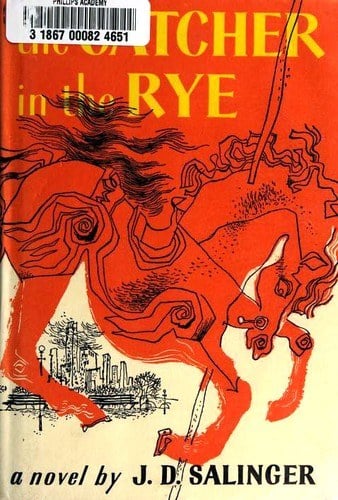
J.D. Salinger · Teenage boys, Alienation, Coming of age
J.D. Salinger's debut novel narrates a few disillusioned days in the life of teenager Holden Caulfield after he leaves his prep school, capturing adolescent alienation, the loss of innocence, and rebellion against perceived adult phoniness.
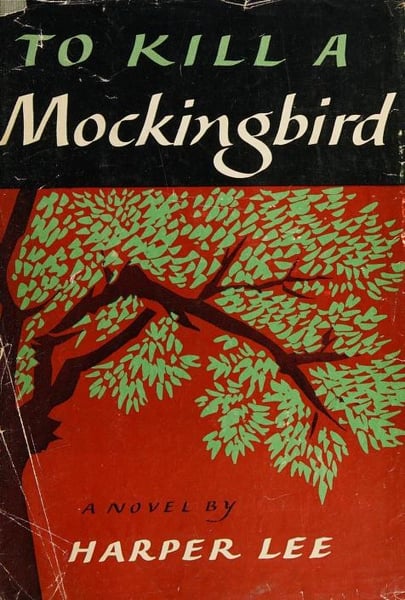
Harper Lee's debut novel, set in Depression-era Alabama, follows young Scout Finch as her father, lawyer Atticus Finch, defends a Black man falsely accused of rape, examining racial injustice, moral growth, and conscience in the American South.
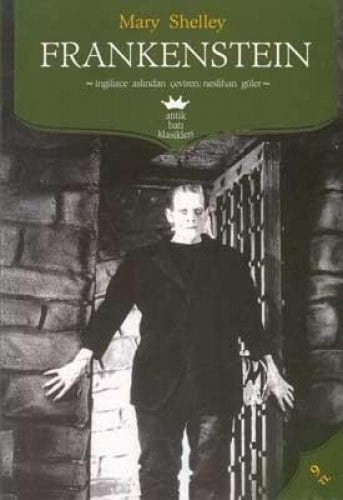
Mary Shelley's debut novel tells of scientist Victor Frankenstein, who creates a sentient being and then abandons it, exploring ambition, responsibility, and isolation; it is widely regarded as a foundational work of science fiction.
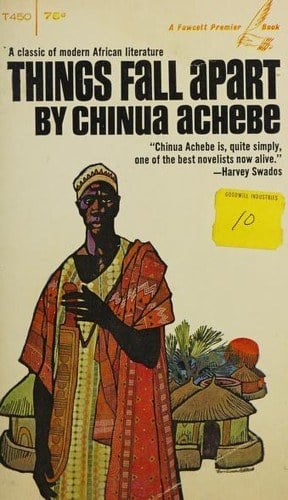
Chinua Achebe · British colonialism, Igbo (African people), Race relations
Chinua Achebe's debut novel depicts pre-colonial Igbo life in southeastern Nigeria through the figure of Okonkwo and the disruption caused by European colonialism and Christian missionaries; it is considered the archetypal modern African novel in English.
Oscar Wilde · Aestheticism, Vanity, Moral corruption
Oscar Wilde's only novel follows a beautiful young man whose portrait ages and bears the marks of his sins while he remains youthful, exploring aestheticism, hedonism, vanity, and moral corruption.
Emily Brontë's only novel, set on the Yorkshire moors, chronicles the destructive passion between Heathcliff and Catherine Earnshaw across two generations of the Earnshaw and Linton families, a Gothic tragedy of love, revenge, and class.
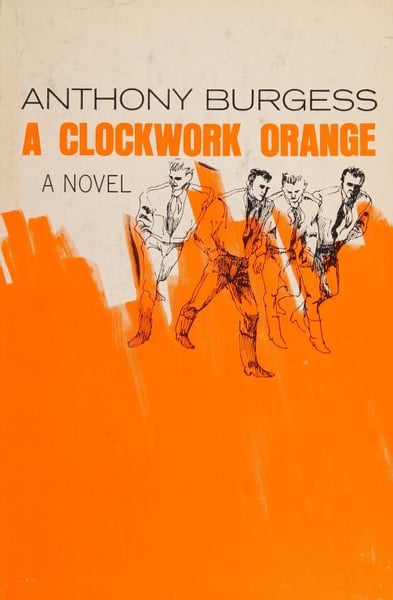
Anthony Burgess · Dystopias, Free will, Juvenile delinquency
Anthony Burgess's dystopian novel, narrated in an invented slang called Nadsat, follows young delinquent Alex through ultraviolence and state-imposed behavioral conditioning, raising questions about free will, morality, and authoritarian control.
S.E. Hinton's debut novel, written when she was a teenager, follows Ponyboy Curtis amid conflict between rival groups divided by class, the working-class greasers and affluent Socs, and is a landmark of young adult fiction.
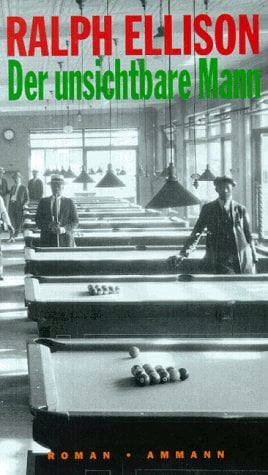
Ralph Ellison · African Americans, Race relations, Identity
Ralph Ellison's debut novel follows an unnamed Black narrator who feels socially invisible as he moves through the early-20th-century United States, confronting racism, ideology, and the search for individual identity.
Zadie Smith · Fiction, Immigrants, Male friendship
Zadie Smith's debut novel follows two wartime friends and their families across multiple generations in multicultural London, exploring immigration, race, religion, and identity with comic energy.
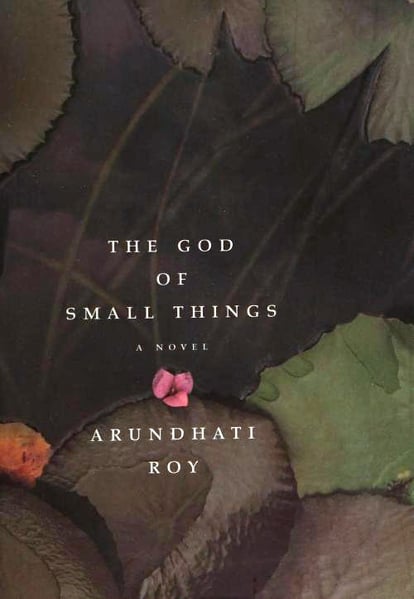
Arundhati Roy · Literary Fiction, Dalit, Catholicism
Arundhati Roy's Booker Prize-winning debut traces fraternal twins in Kerala whose childhood is shattered by the 'Love Laws' governing who may be loved, examining caste, family, and forbidden desire.
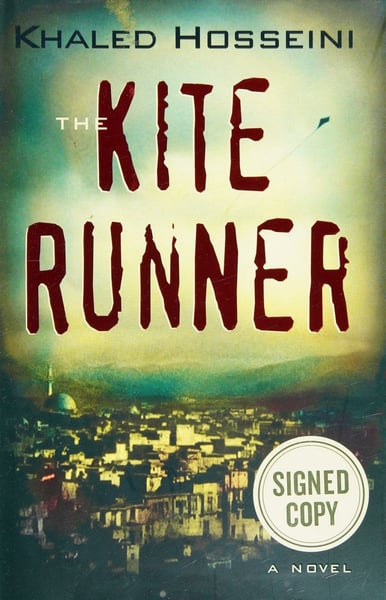
Khaled Hosseini · Male friendship, Betrayal, Fiction
Khaled Hosseini's debut spans three decades of Afghan history through the friendship of a wealthy boy and his servant's son, exploring betrayal, guilt, and the search for atonement.
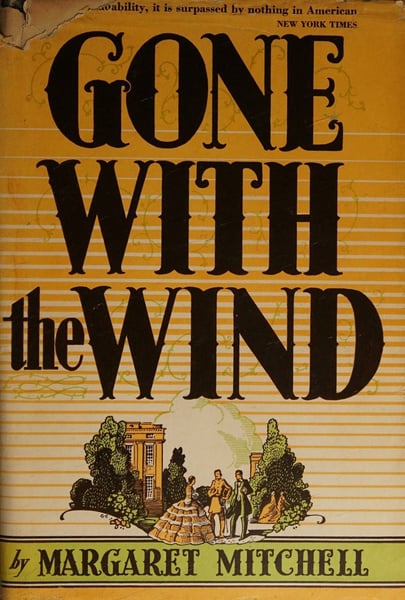
Margaret Mitchell · Survival, Slavery, Bildungsroman
Margaret Mitchell's Pulitzer Prize-winning only novel follows Scarlett O'Hara through the Civil War and Reconstruction-era South, depicting survival, love, and the collapse of the antebellum plantation world.
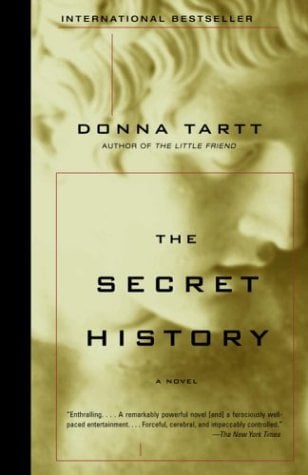
Donna Tartt · Fiction, College students, Teacher-student relationships
Donna Tartt's debut novel centers on a clique of classics students at an elite New England college whose pursuit of aesthetic transcendence leads to murder, charting their slide into obsession and guilt.
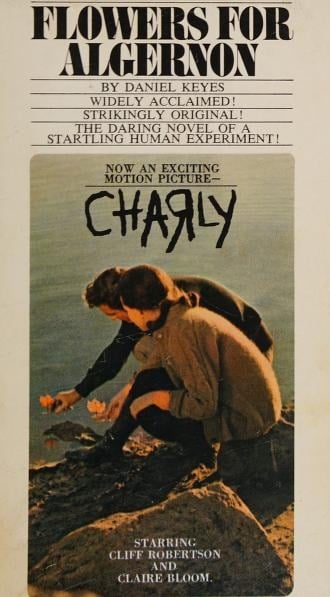
Daniel Keyes · People with mental disabilitiesBook
Daniel Keyes · People with mental disabilities, Intelligence, Science fiction
Daniel Keyes's novel, expanded from his short story, follows Charlie Gordon, an intellectually disabled man whose experimental surgery triples his intelligence, told through journals that probe science, ethics, and what makes us human.
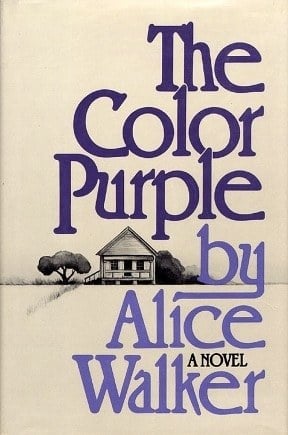
Alice Walker · Fiction, African Americans, Social life and customs
Alice Walker's Pulitzer Prize-winning epistolary novel follows Celie, a poor Black woman in the early-20th-century American South, through abuse toward self-discovery, sisterhood, and independence.
E.M. Forster's novel follows young Lucy Honeychurch, torn between passionate George Emerson and convention-bound England, contrasting Edwardian repression with the liberating spirit she discovers in Italy.
Ernest Hemingway · Historical fiction, Expatriation, Americans
Ernest Hemingway's first novel portrays disillusioned expatriates of the Lost Generation moving from 1920s Paris to the bullfights of Spain, capturing post-war aimlessness in his spare prose.
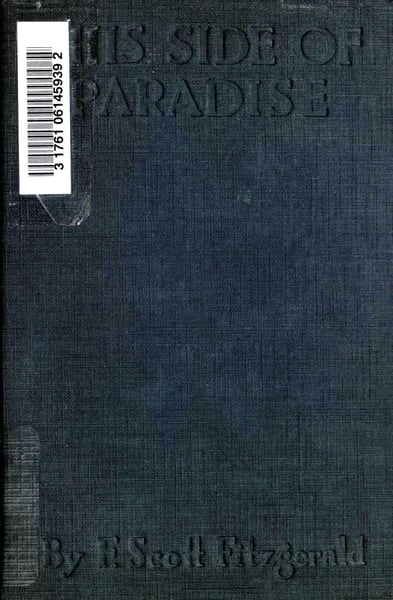
F. Scott Fitzgerald's debut, written at twenty-three, follows the egotistical Princeton student Amory Blaine through love and disillusionment, capturing the restless youth of the emerging Jazz Age.
Stephen King · Horror fiction, Telekinesis, Bullying
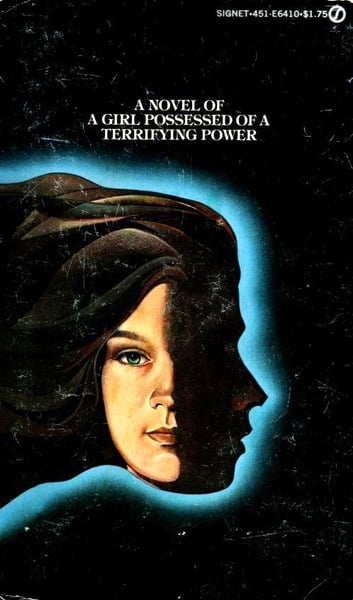
Stephen King's debut novel tells of a bullied, telekinetic teenage girl whose abusive upbringing and humiliation culminate in catastrophic violence at her high school prom. It launched King's career and is an epistolary-style staple of modern horror.
Douglas Adams · Science fiction, Humorous fiction, Space and time
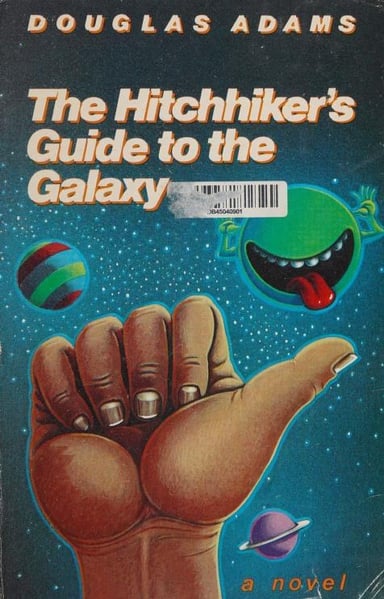
Douglas Adams's comic science-fiction novel follows Arthur Dent, swept off an about-to-be-demolished Earth, as he travels the galaxy with an eccentric guidebook. Adapted from his radio series, it became a touchstone of British absurdist humor.
Irvine Welsh · Scottish fiction, Drug addiction, Heroin
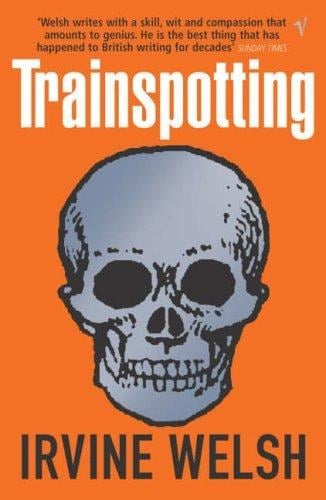
Irvine Welsh's debut, written largely in Scots vernacular, follows a group of heroin addicts and friends in 1980s Edinburgh. Its raw portrayal of addiction and disaffection made it a defining work of contemporary Scottish literature.
Haruki Murakami · Japanese fiction, Coming of age, Love stories
Haruki Murakami's nostalgic novel follows a Tokyo student in the late 1960s navigating love, loss, and mental illness among his friends. Its commercial success in Japan made Murakami a national literary figure.
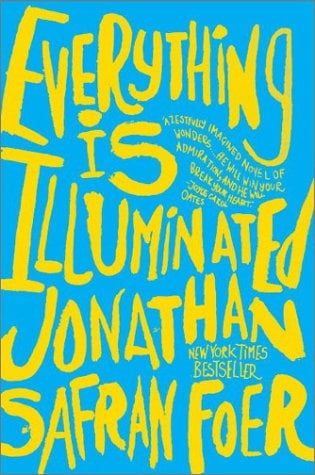
Jonathan Safran Foer · Jewish fiction, Holocaust, Ukraine
Jonathan Safran Foer's debut intertwines a young American's search for the woman who saved his grandfather in wartime Ukraine with a magical-realist village chronicle. It is noted for its inventive structure and idiosyncratic narrative voice.
Stephen Chbosky · Young adult fiction, Coming of age, High school students
Stephen Chbosky's epistolary debut follows introverted teenager Charlie through his first year of high school as he confronts friendship, trauma, and mental illness. It became a widely read and frequently challenged young-adult classic.
Ian McEwan's debut novel depicts four children who conceal their mother's death to avoid separation, descending into isolation and transgression. Its unsettling intimacy typified the dark early fiction that earned McEwan the nickname 'Ian Macabre.'
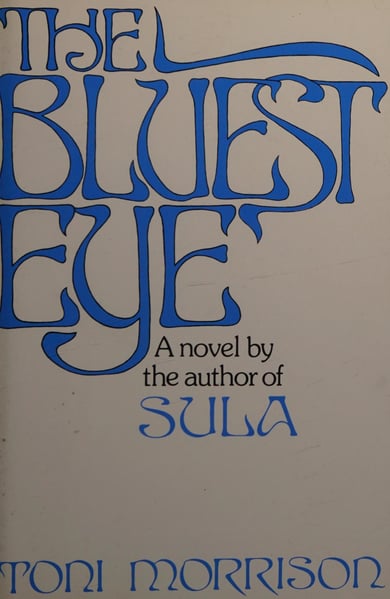
Toni Morrison · African American fiction, Racism, Beauty standards
Toni Morrison's debut novel centers on a young Black girl in 1940s Ohio who longs for blue eyes, exposing how internalized racism and standards of beauty destroy self-worth. It established Morrison's enduring concern with race and identity.
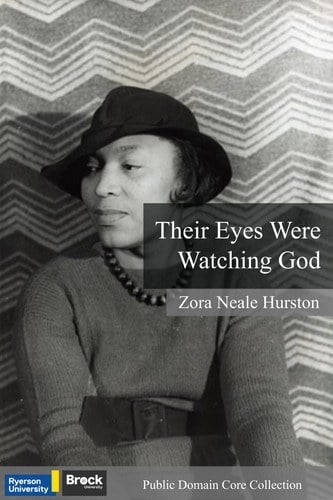
Zora Neale Hurston · African American fiction, Women, Southern United States
Zora Neale Hurston's novel traces Janie Crawford's search for love and autonomy across three marriages in early-twentieth-century Florida. Once neglected, it was revived as a foundational text of African American and feminist literature.
Elena Ferrante · Italian fiction, Female friendship, Naples (Italy)
The first of Elena Ferrante's Neapolitan novels follows the intense, lifelong friendship between two girls growing up in a poor Naples neighborhood in the 1950s. It opened a quartet that brought Ferrante international acclaim.







No comments yet — be the first.