50 groundbreaking novels that shaped science fiction from Frankenstein to the present
CE
Caleido Editorial TeamJune 1, 202635 min read0 views
Science fiction has always been literature's laboratory — a space where writers explore the consequences of technology, the nature of consciousness, and the future of humanity. From Mary Shelley's Frankenstein, often considered the first science fiction novel, to contemporary works exploring artificial intelligence and climate catastrophe, the genre continues to illuminate our present by imagining our future.
These 50 novels represent the finest achievements in science fiction, spanning space operas and cyberpunk, hard science and social speculation, dystopian warnings and utopian dreams. They include icons like Asimov and Clarke alongside revolutionary voices like Octavia Butler and Liu Cixin.
Use the checklist below to track your journey through the universe of science fiction.
Mary Shelley · Science fiction, Monsters, Scientists
Mary Shelley's tale of Victor Frankenstein, who animates a creature from dead matter only to recoil from it, is often called the first science fiction novel. It probes scientific overreach, creation and responsibility, and the isolation of the outcast.
H. G. Wells · Self-experimentation in medicine in fictionBook
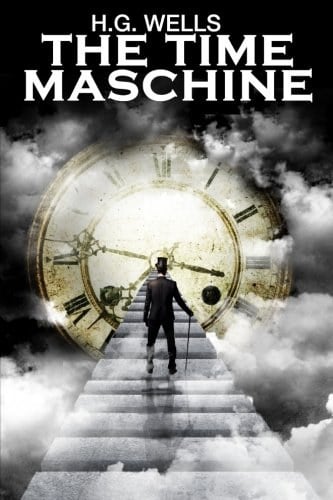
H. G. Wells · Self-experimentation in medicine in fiction, Fiction, Time travel in fiction
The Time Traveller, a dreamer obsessed with traveling through time, builds himself a time machine and, much to his surprise, travels over 800,000 years into the future. He lands in the year 802701: the world has been transformed by a society living in apparent harmony and bliss, but as the Traveler stays in the future he discovers a hidden barbaric and depraved subterranean class. Wells's trans...
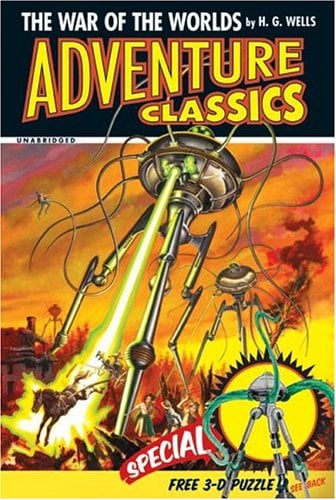
H. G. Wells · Science fiction, Martians, Life on other planets
Wells depicts a Martian invasion of Victorian England, with humanity helpless before superior technology until microbes intervene. An early alien-invasion narrative, it reflects on imperialism, evolution, and human fragility.
Zamyatin's dystopia portrays the One State, a regimented society of numbered citizens under constant surveillance, as engineer D-503 awakens to forbidden individuality. A foundational anti-totalitarian novel, it influenced Orwell and Huxley.
Huxley imagines a future World State that engineers contentment through genetic conditioning, consumerism, and the drug soma. It examines the cost of stability and pleasure when freedom, suffering, and individuality are engineered away.
George Orwell · Science fiction, Dystopias, Totalitarianism
Orwell's vision of Oceania under the Party and Big Brother follows Winston Smith's doomed rebellion against omnipresent surveillance and the manipulation of truth. It defined modern political vocabulary for authoritarian control and thought-policing.
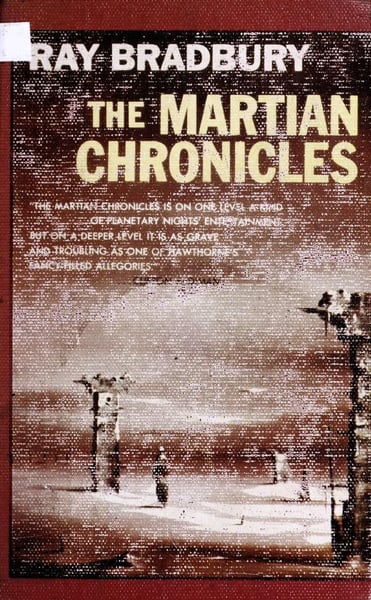
Ray Bradbury · Science fiction, Mars, Space colonies
Bradbury's linked stories chronicle humanity's colonization of Mars, the fading of its native civilization, and the settlers carrying earthly flaws with them. It reflects on colonialism, nostalgia, and nuclear-age anxieties.
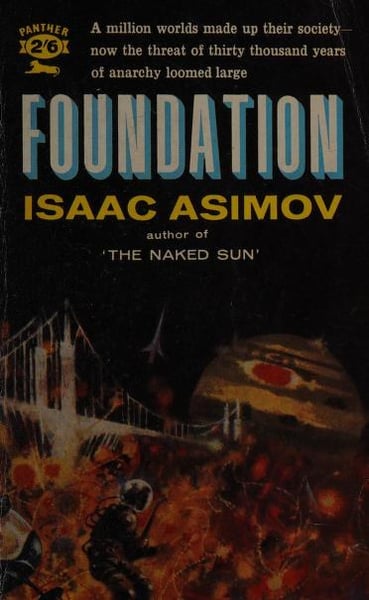
Isaac Asimov · Science fiction, Psychohistory, Life on other planets
Asimov's novel introduces Hari Seldon's science of psychohistory, used to shorten the dark age following a galactic empire's collapse by establishing the Foundation. It launched a landmark series exploring history, prediction, and civilization.
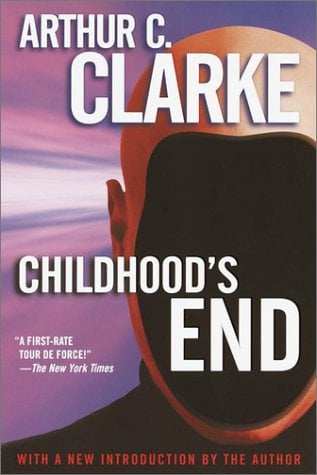
Arthur C. Clarke · Science fiction, Human-alien encounters, Human evolution
Clarke's novel depicts the peaceful arrival of the alien Overlords, who end war and want while guiding humanity toward a transcendent transformation. It contemplates evolution, utopia's price, and the end of human identity.
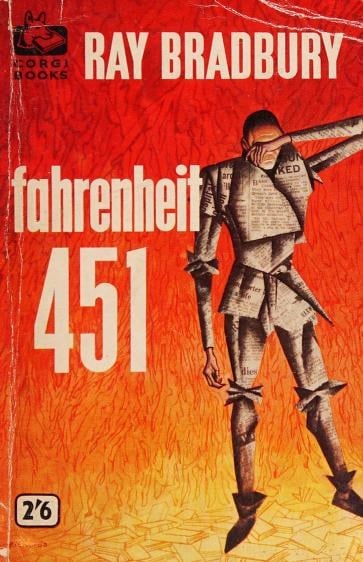
Ray Bradbury · Science fiction, Dystopias, Book burning
Bradbury portrays a future where firemen burn books and fireman Guy Montag begins to question a society anesthetized by mass media. It is a defining work on censorship, conformity, and the value of independent thought.
Walter M. Miller Jr. · Science fiction, Nuclear warfare, Post-apocalyptic fiction
A post-apocalyptic novel following an order of monks who preserve scientific knowledge across centuries after a nuclear war, tracing humanity's recurring cycle of progress and self-destruction through religion, memory, and the persistence of knowledge.
Stanisław Lem · Science fiction, Life on other planets, First contact
Scientists aboard a station orbiting the planet Solaris confront a sentient ocean whose incomprehensible nature exposes the limits of human understanding, exploring the impossibility of communication with a truly alien intelligence.
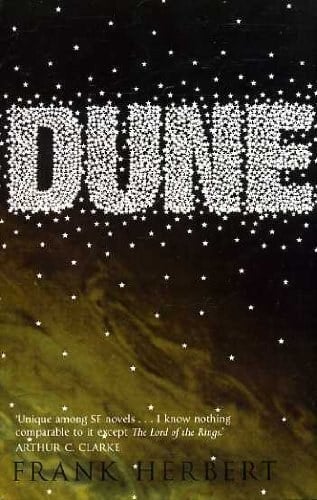
Frank Herbert · Science fiction, Dune (Imaginary place), Desert ecology
On the desert planet Arrakis, young Paul Atreides navigates feuding noble houses, an indigenous people, and a precious resource that shapes interstellar power, in an epic weaving ecology, religion, politics, and prescience.
Daniel Keyes · Science fiction, Intellectual disabilities, Intelligence
Told through the journals of Charlie Gordon, a man whose intelligence is surgically heightened, the novel examines the ethics of human experimentation and the relationship between intellect, emotion, and human dignity.
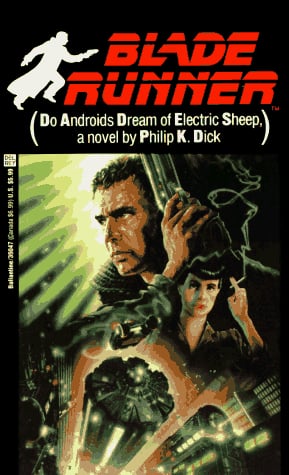
Philip K. Dick · Science fiction, Androids, Bounty hunters
In a decayed future, bounty hunter Rick Deckard pursues fugitive androids nearly indistinguishable from humans, probing the boundaries of empathy, authenticity, and what it means to be human.
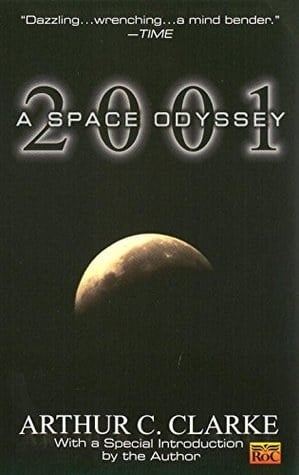
Arthur C. Clarke · Science fiction, Space flight, Extraterrestrial beings
Developed alongside Kubrick's film, the novel follows a mission to Jupiter prompted by an alien monolith, spanning human evolution, machine intelligence, and humanity's encounter with a vastly superior cosmic force.
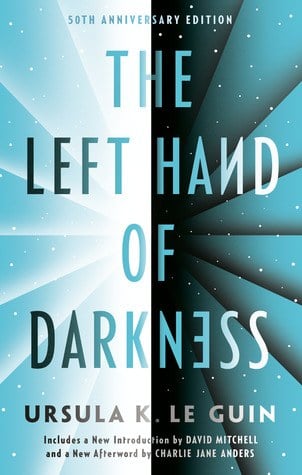
Ursula K. Le Guin · Science fiction, Gender, Life on other planets
An envoy to the planet Gethen, whose inhabitants have no fixed sex, must build trust across profound cultural and biological difference, in a landmark exploration of gender, politics, and otherness.
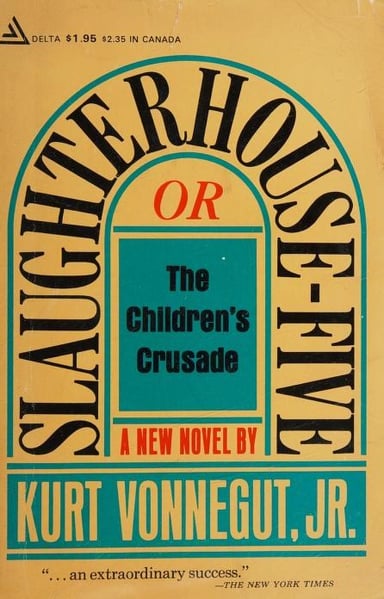
Kurt Vonnegut · Science fiction, Anti-war fiction, Bombing of Dresden
Blending war memoir, satire, and science fiction, the novel follows Billy Pilgrim, who becomes 'unstuck in time' after surviving the firebombing of Dresden, in a meditation on trauma, free will, and the absurdity of war.
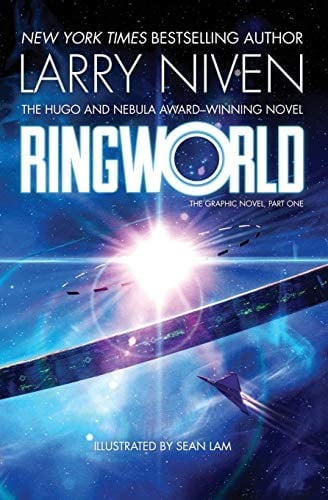
Larry Niven · Science fiction, Ringworld (Imaginary place), Life on other planets
An expedition of humans and aliens explores a colossal artificial ring encircling a distant star, a foundational work of hard science fiction built around an awe-inspiring feat of megastructure engineering.
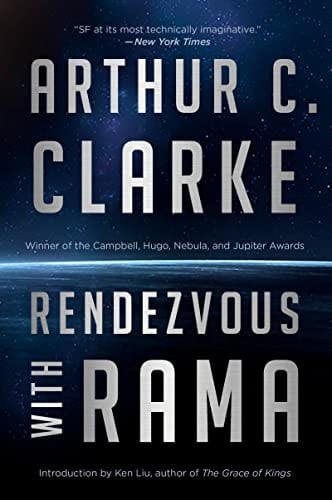
Arthur C. Clarke · Science fiction, Space exploration, Extraterrestrial beings
A crew investigates a vast, enigmatic alien cylinder passing through the solar system, in a celebrated tale of disciplined exploration and the wonder and unknowability of first contact.
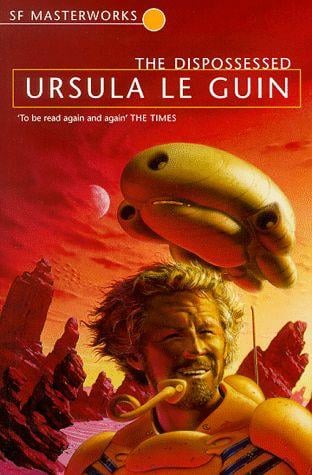
Ursula K. Le Guin · Science fiction, Utopias, Anarchism
An anarchist physicist travels from his egalitarian moon-world to its capitalist mother planet, in a landmark 'ambiguous utopia' that contrasts two political and economic systems while probing freedom, scarcity, and the costs of idealism.
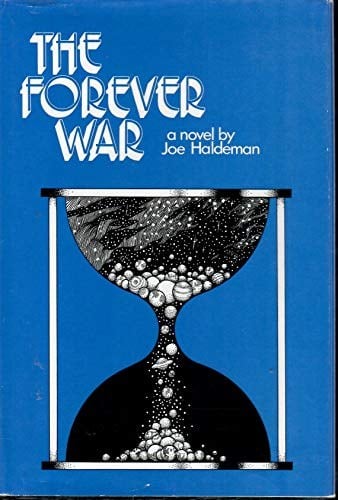
Joe Haldeman · Science fiction, War, Interstellar travel
A soldier conscripted into an interstellar war finds that relativistic travel ages Earth by centuries between deployments, leaving him estranged from the society he fights for. Drawing on Haldeman's Vietnam service, it interrogates militarism and alienation.
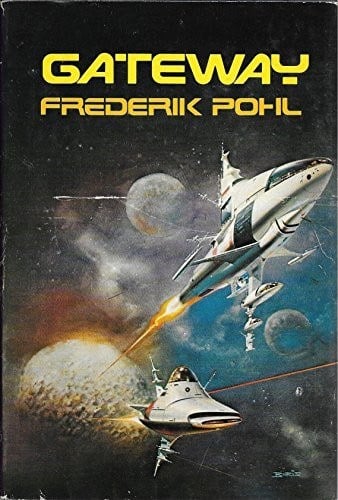
Frederik Pohl · Science fiction, Space exploration, Extraterrestrial beings
Prospectors risk their lives piloting abandoned alien starships from an asteroid station, never knowing where the preset courses will take them. Framed by the narrator's sessions with a robot psychoanalyst, it explores guilt, trauma, and survivor's remorse.
Octavia E. Butler · Slavery, African American women, Time travel
A modern Black woman is repeatedly pulled back in time to an antebellum Maryland plantation, where she must keep her white slaveholding ancestor alive to ensure her own birth. The novel uses time travel to confront the lived realities of American slavery.
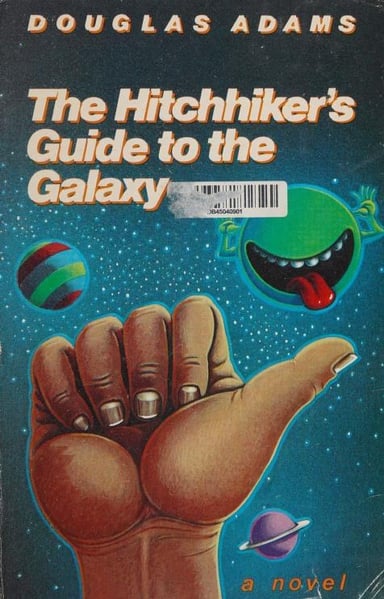
Douglas Adams · Science fiction, Humorous fiction, Space opera
Moments before Earth is demolished to make way for a hyperspace bypass, Arthur Dent escapes with an alien researcher and embarks on an absurd tour of the cosmos. Adapted from Adams's radio series, it is a foundational work of comic science fiction.
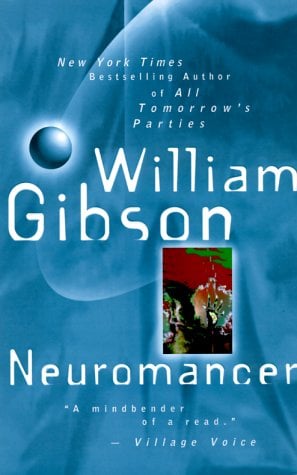
William Gibson · Science fiction, Cyberpunk, Cyberspace
A washed-up computer hacker is hired for one last job that draws him into a scheme orchestrated by an artificial intelligence. The defining cyberpunk novel, it popularized the concept of 'cyberspace' and shaped subsequent visions of digital culture.
A radio astronomer detects a signal from an alien civilization containing plans for a machine, triggering a global effort to build it. Written by an astronomer, the novel weighs scientific method against faith and the implications of first contact.
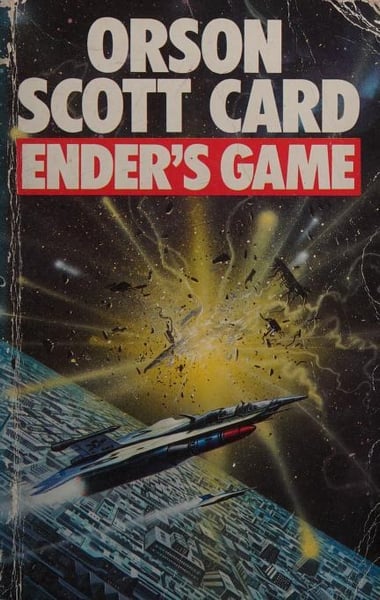
Orson Scott Card · Science fiction, Military, Genius children
A gifted child is trained through brutal simulated war games at a military academy to lead humanity against an alien insectoid species. It examines manipulation, empathy, and the moral weight of warfare conducted by children.
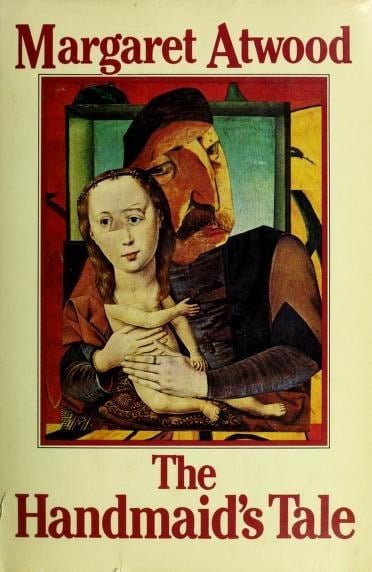
Margaret Atwood · Dystopia, Science fiction, Women
In the theocratic regime of Gilead, fertile women are conscripted as 'handmaids' forced to bear children for the ruling class. Told through one woman's account, the dystopia examines patriarchal control, reproductive coercion, and resistance.
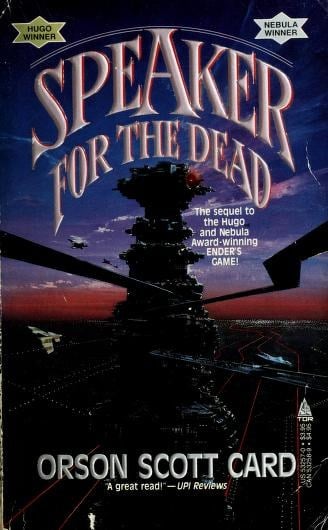
Orson Scott Card · Science fiction, Extraterrestrial beings, Colonization
Decades after the events of Ender's Game, Ender travels to a colony world to speak the truth of a death and to mediate humanity's fraught encounter with a newly discovered alien species. It explores xenophobia, understanding, and atonement.
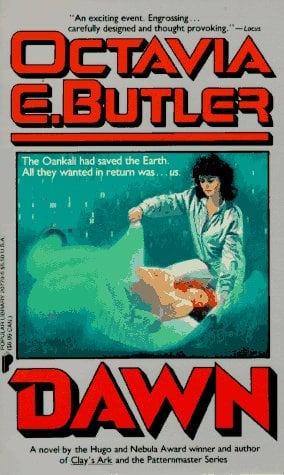
Octavia E. Butler · Science fiction, Human-alien encounters, Genetic engineering
The first novel of Octavia E. Butler's Xenogenesis (Lilith's Brood) trilogy, in which an alien species revives the survivors of a nuclear war and seeks to merge with humanity through genetic trade, probing themes of consent, otherness, and what it means to remain human.
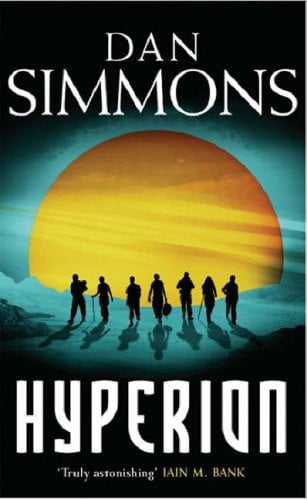
Dan Simmons · Science fiction, Interplanetary voyages, Pilgrims and pilgrimages
Dan Simmons's Hugo Award-winning first book of the Hyperion Cantos, framing seven pilgrims' tales told en route to the deadly creature called the Shrike, a structure echoing The Canterbury Tales while exploring time, faith, and a galaxy on the brink of war.
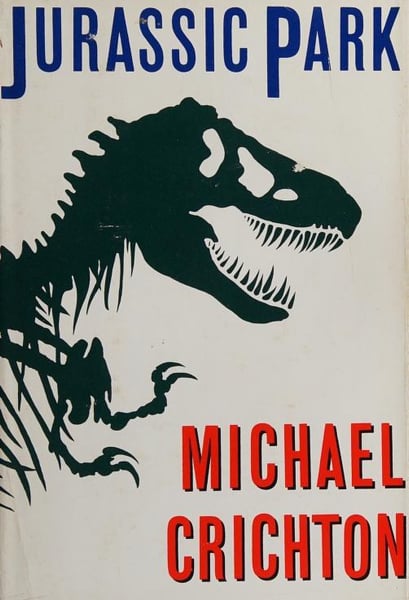
Michael Crichton · Science fiction, Genetic engineering, Dinosaurs
Michael Crichton's techno-thriller about a theme park stocked with dinosaurs recreated from ancient DNA, using chaos theory to dramatize the hubris of genetic engineering and the unpredictability of complex systems.
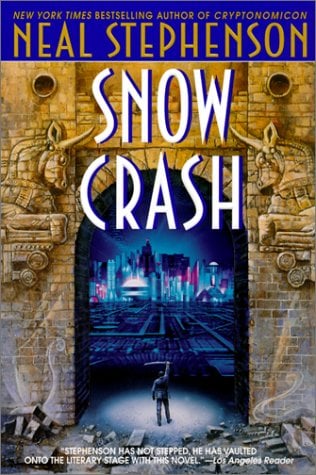
Neal Stephenson's satirical cyberpunk novel set in a fractured, corporatized America, following a hacker through the Metaverse as he confronts a drug-and-virus that threatens both minds and machines, linking ancient Sumerian myth to computer language.
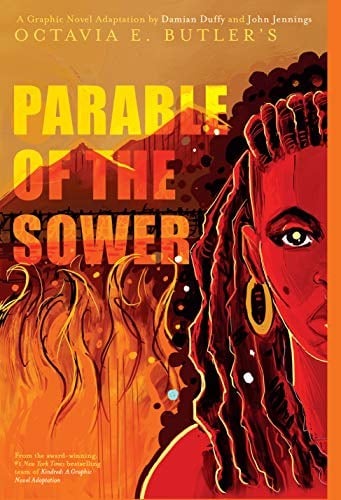
Octavia E. Butler · Science fiction, Dystopias, Apocalyptic & post-apocalyptic
Octavia E. Butler's dystopian novel set in a collapsing near-future California, told through the journals of a young woman with hyperempathy who founds a new belief system, Earthseed, amid social breakdown and environmental crisis.
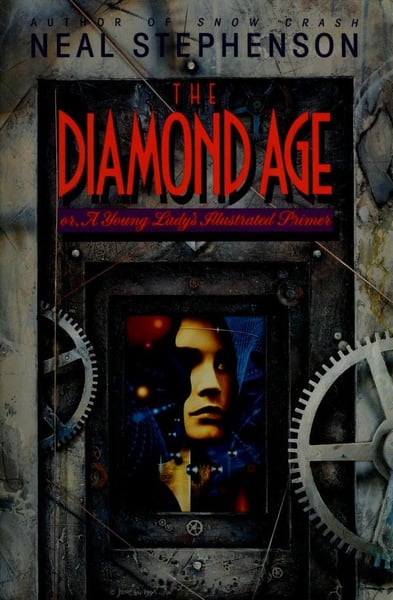
Neal Stephenson · Science fiction, Nanotechnology, Hard science fiction
Neal Stephenson's Hugo Award-winning novel set in a nanotechnology-driven future, in which an interactive primer intended for an elite girl falls into the hands of a poor child, examining education, class, and the social impact of technology.
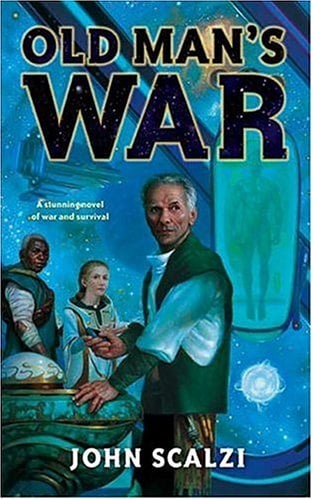
John Scalzi · Science fiction, Space warfare, Space colonies
John Scalzi's military science fiction debut in which the elderly enlist in an interstellar army that grants them new, enhanced bodies, following one recruit through training and combat while questioning identity and the cost of perpetual war.
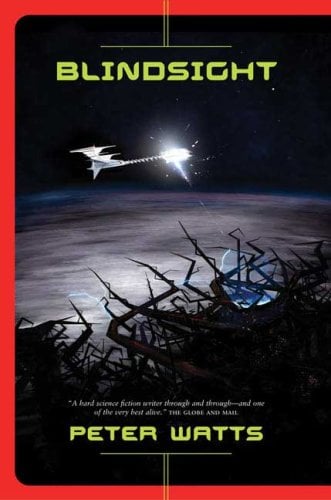
Peter Watts · Science fiction, Human-alien encounters, Neurology
Peter Watts's hard science fiction novel sending a crew of post-human specialists to investigate an alien presence at the solar system's edge, interrogating the nature of consciousness and whether intelligence requires self-awareness at all.
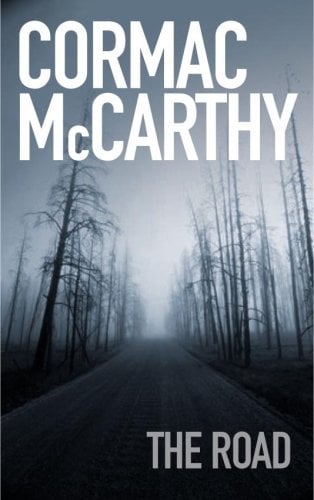
Cormac McCarthy · Post-apocalyptic fiction, Survival, Fathers and sons
Cormac McCarthy's Pulitzer Prize-winning novel following a father and son as they journey across a gray, ash-covered America after an unspecified catastrophe, a spare meditation on survival, love, and the persistence of moral conscience.
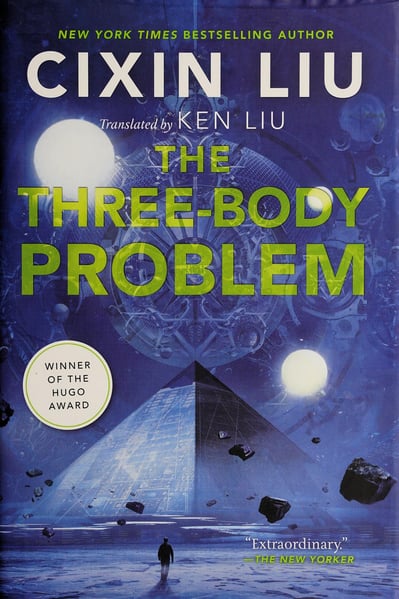
Liu Cixin · Science fiction, Human-alien encounters, Chinese science fiction
Liu Cixin's Hugo Award-winning first volume of the Remembrance of Earth's Past trilogy, opening during the Cultural Revolution as a secret project makes first contact with an alien civilization, igniting a clandestine struggle over Earth's future.
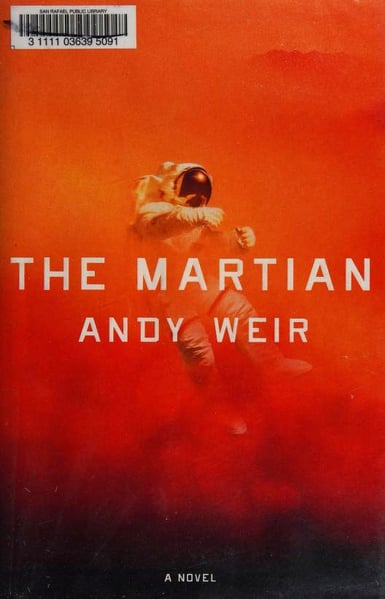
An astronaut stranded alone on Mars after his crew presumes him dead must improvise survival using engineering and botany. The novel is celebrated for its rigorous, problem-solving hard-science realism and resourceful optimism.
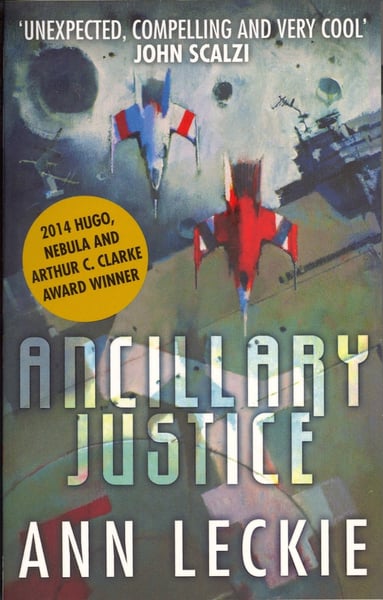
Ann Leckie · Science fiction, Space opera, Artificial intelligence
The first Imperial Radch novel follows Breq, the last surviving fragment of a destroyed warship's AI now in a single human body, seeking revenge. It is noted for its exploration of identity, colonialism, and gender, using a single pronoun for all characters.
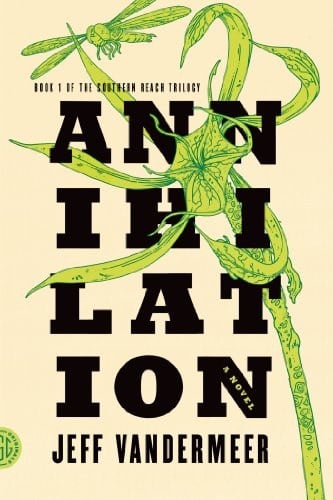
Jeff VanderMeer · Science fiction, Women scientists, Scientific expeditions
The first book of the Southern Reach trilogy follows an expedition of four women into Area X, a mysterious zone where nature has reclaimed all human presence. It blends eco-horror and the weird to probe the limits of knowledge and the dissolution of self.
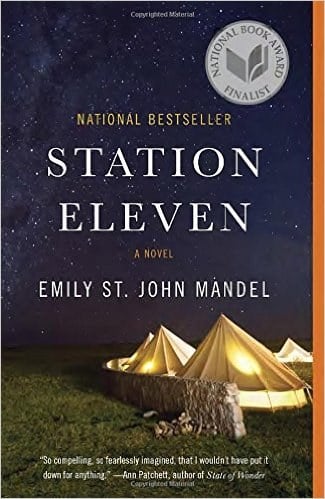
Emily St. John Mandel · Science fiction, Dystopian fiction, Epidemics
Interweaving timelines before and after a flu pandemic collapses civilization, the novel follows a troupe of traveling Shakespearean actors. It meditates on art, memory, and what endures when the modern world ends.
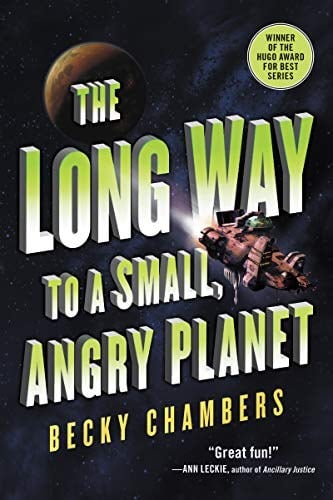
Becky Chambers · Science fiction, Space opera, Interstellar travel
The first Wayfarers novel follows the diverse multispecies crew of a tunneling ship on a long journey to a distant job. It is character-driven, optimistic space opera centered on found family and coexistence among species.
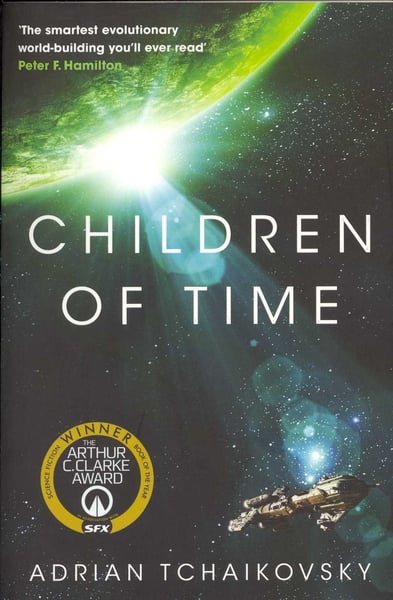
Adrian Tchaikovsky · Science fiction, Evolution, Terraforming
A terraforming experiment goes awry, uplifting a species of spiders to sapience over millennia while the last remnants of humanity search for a new home. The novel explores evolution, civilization, and radically nonhuman intelligence.
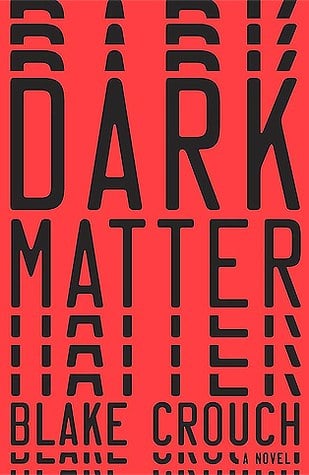
A physics professor is abducted and wakes in an alternate version of his life, forcing him to navigate branching parallel worlds to return to his family. It is a fast-paced thriller exploring identity and the roads not taken.
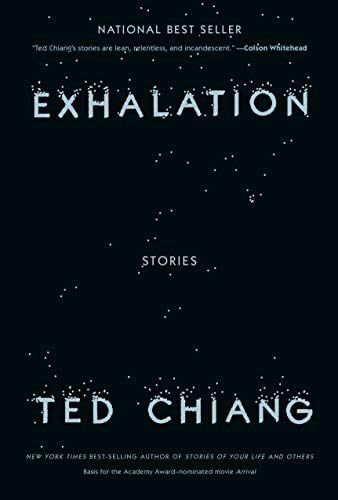
Ted Chiang · Science fiction, Short stories, Artificial intelligence
A collection of nine speculative short stories examining free will, determinism, technology, and what it means to be conscious. The works are known for rigorous thought experiments paired with emotional and philosophical depth.
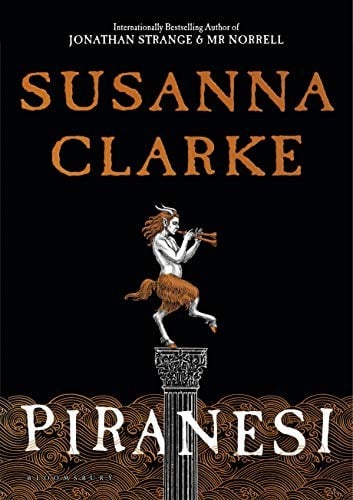
Susanna Clarke · Fantasy fiction, Science fiction, Labyrinths
A man lives in a vast, mysterious House of endless halls filled with statues and tides, keeping records of his world until evidence of another reality intrudes. The novel is a meditation on solitude, memory, and the nature of knowledge.
Andy Weir · Science fiction, Space exploration, First contact
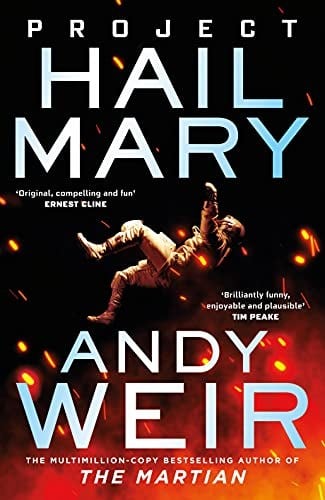
A lone astronaut wakes on an interstellar mission with no memory, tasked with saving Earth from an extinction-level threat. The novel combines hard-science problem-solving with an unexpected first-contact friendship.








No comments yet — be the first.