40 outstanding novels honored with the world's leading English-language literary prize
CE
Caleido Editorial TeamJune 1, 202630 min read0 views
The Booker Prize, established in 1969, is the most prestigious literary award for English-language fiction. Originally limited to Commonwealth, Irish, and Zimbabwean citizens, it opened to any English-language novel in 2014. The prize has launched careers, sparked controversies, and consistently championed literary excellence.
From Salman Rushdie's magical realist masterpiece to Hilary Mantel's historical reimaginings, from postcolonial voices like Arundhati Roy to experimental narratives by George Saunders, these 40 winners showcase the remarkable diversity of contemporary English-language fiction.
Use the checklist below to track your reading through Booker Prize history.
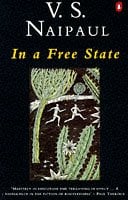
V. S. Naipaul · Fiction, Culture conflict, Travelers
Naipaul's Booker-winning work comprises a framed sequence of narratives—a novella and shorter pieces—exploring displacement, postcolonial rootlessness, and the precariousness of freedom for people adrift between Africa, the West Indies, and the West.
Nadine Gordimer · Man Booker Prize Winner, award:man_booker_prize=1974, South African fiction (English)
Mehring is rich. He has all the privileges and possessions that South Africa has to offer, but his possessions refuse to remain objects. His wife, son, and mistress leave him; his foreman and workers become increasingly indifferent to his stewardship; even the land rises up, as drought, then flood, destroy his farm.
Nadine Gordimer's fascinating portrait of a man both reckless and calculatin...
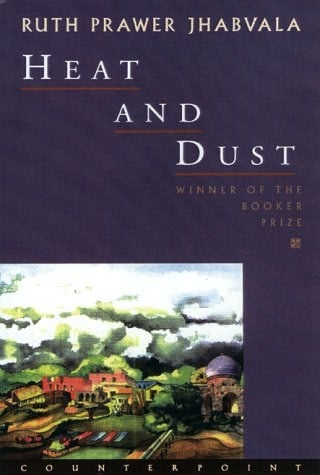
Ruth Prawer Jhabvala · Man Booker Prize WinnerBook
Ruth Prawer Jhabvala · Man Booker Prize Winner, Kings and rulers, Married women
Set in India, HEAT AND DUST is the story of Olivia, a beautiful, spoiled, bored English colonial wife in the 1920s who is drawn inexorably into the spell of the Nawab, a minor Indian prince deeply involved in plots and intrigues. Olivia outrages the tiny, suffocating town where her husband is a civil servant by eloping with the captivating Nawab. It is also the story of Olivia's step-granddaugh...
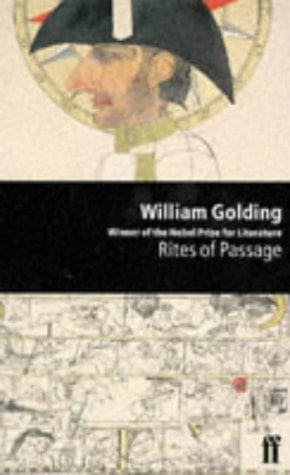
William Golding · Fiction, Ocean travel, Emigration and immigration
First of Golding's sea trilogy, told through a young aristocrat's journal aboard a ship bound for Australia early in the 19th century, where the humiliation and death of a parson expose class cruelty and the loss of innocence.
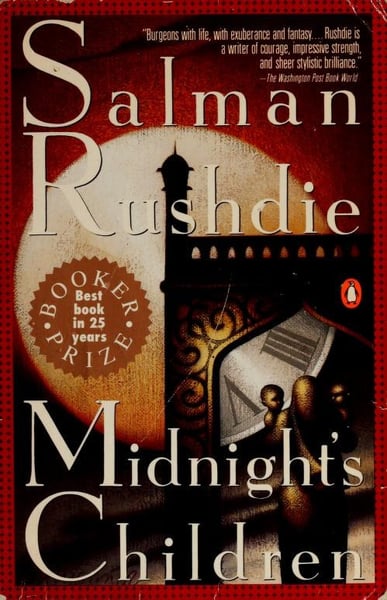
Salman Rushdie · Fiction, Magical realism, Postcolonial literature
Rushdie's landmark novel ties the life of Saleem Sinai, born at the instant of Indian independence, to the nation's history through magical realism, chronicling India's transition from British rule through Partition and after.
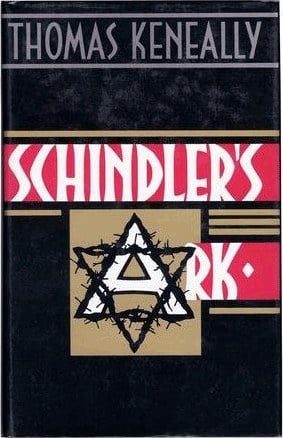
Thomas Keneally · Fiction, Holocaust, World War (1939-1945)
Keneally's documentary novel reconstructs how German industrialist Oskar Schindler saved over a thousand Jewish workers from the Nazi camps, dwelling on the ambiguity between his opportunism and his altruism.
Lively's novel unfolds in the memory of Claudia Hampton, a dying historian, who reconstructs her life—above all a wartime love affair in Egypt—while meditating on history, memory, and how a single life mirrors the world's.
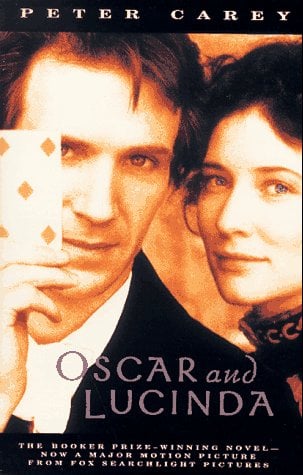
Carey's novel pairs a misfit Anglican clergyman and a young heiress who owns a glass factory, two compulsive gamblers in 19th-century Australia, whose wager to transport a glass church inland drives a tragicomic colonial romance.
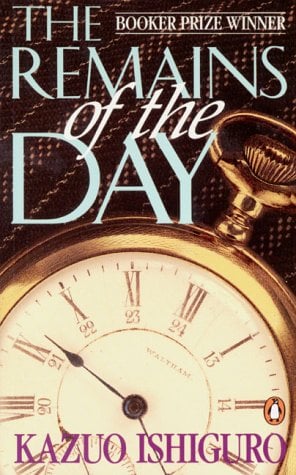
Ishiguro's novel is narrated by Stevens, an aging English butler whose 1956 motoring trip prompts reflection on decades of service at Darlington Hall, revealing the costs of his rigid devotion to duty and unspoken feeling.
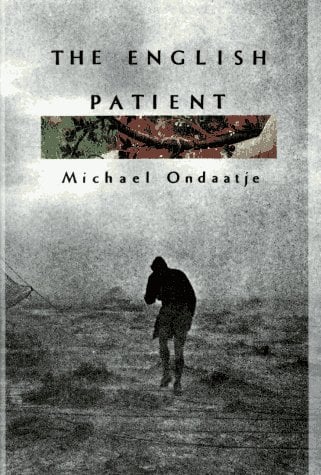
Michael Ondaatje · Fiction, World War, 1939-1945, Ficción
With ravishing beauty and unsettling intelligence, Michael Ondaatje's Booker Prize-winning novel traces the intersection of four damaged lives in an Italian villa at the end of World War II. Hana, the exhausted nurse; the maimed thief, Caravaggio; the wary sapper, Kip: each is haunted by the riddle of the English patient, the nameless, burned man who lies in an upstairs room and whose memories ...
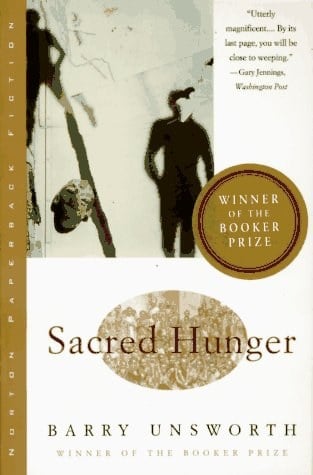
Barry Unsworth · Historical fiction, Slave trade, Fiction
Barry Unsworth's Booker Prize-winning novel follows an 18th-century English slave ship and a utopian community formed by its mutinous crew and freed captives, examining the human cost of the transatlantic slave trade and the corrupting force of greed.
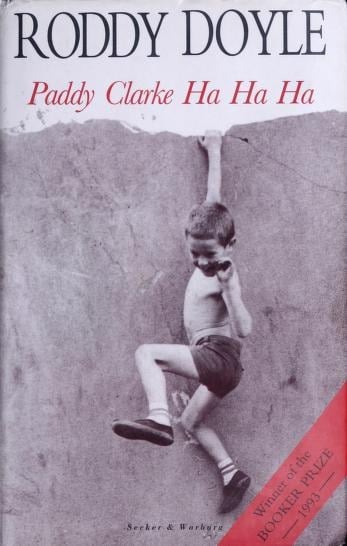
Roddy Doyle · Irish fiction, Childhood, Family life
Roddy Doyle's Booker Prize-winning novel is narrated by a ten-year-old boy in 1960s working-class Dublin, capturing the textures of childhood through his games and friendships as his parents' marriage begins to disintegrate.
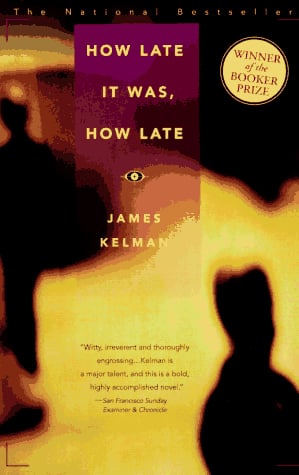
James Kelman · Scottish fiction, Blindness, Ex-convicts
James Kelman's Booker Prize-winning novel renders the stream-of-consciousness of Sammy, a Glaswegian ex-convict who wakes blind after a beating in police custody, told in Scots vernacular as he navigates an indifferent bureaucracy.
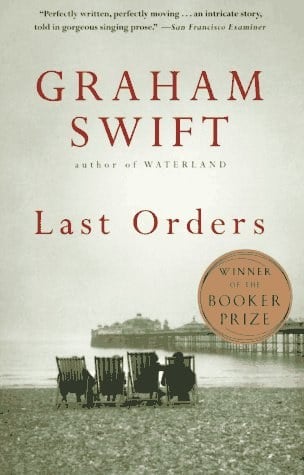
Graham Swift's Booker Prize-winning novel follows four friends driving from London to scatter a butcher's ashes at Margate, using their shifting memories to reveal interwoven lives across postwar working-class England.
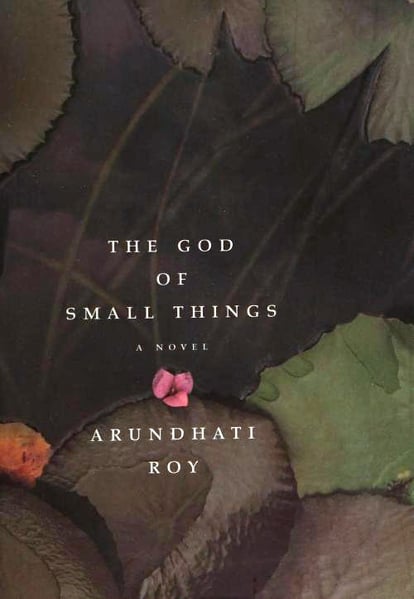
Arundhati Roy's Booker Prize-winning debut traces a Keralan family across decades, centering on twins whose childhood is shattered by a forbidden love that transgresses India's caste boundaries and social codes.
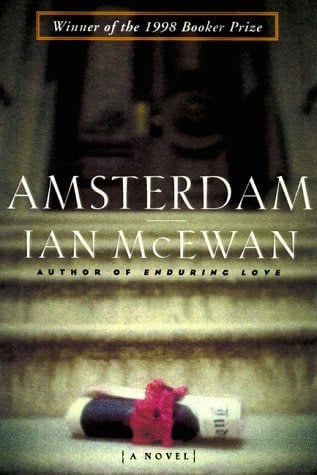
Ian McEwan · English fiction, Friendship, Euthanasia
Ian McEwan's Booker Prize-winning novel follows two friends—a composer and a newspaper editor—who, mourning a shared former lover, make a euthanasia pact that escalates into mutual moral ruin.
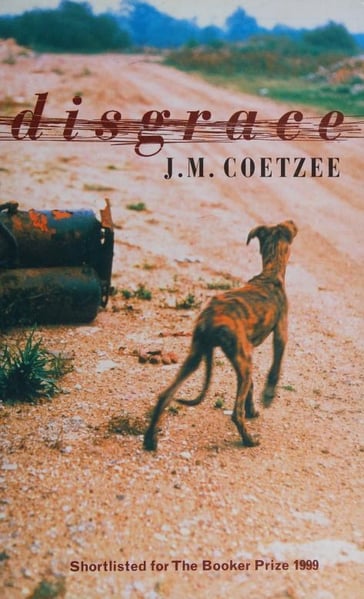
J. M. Coetzee · South African fiction, Post-apartheid, Race relations
J. M. Coetzee's Booker Prize-winning novel follows a disgraced Cape Town professor who retreats to his daughter's rural farm, where a violent attack forces a reckoning with power, guilt, and the shifting order of post-apartheid South Africa.
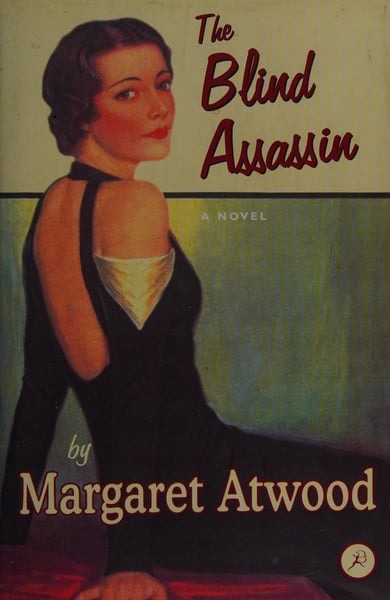
Margaret Atwood · Canadian fiction, Sisters, Novel-within-a-novel
Margaret Atwood's Booker Prize-winning novel nests a science-fiction tale inside a memoir as an elderly Iris Chase recalls her sister's death and family secrets, layering narratives to unravel a 20th-century Canadian inheritance.
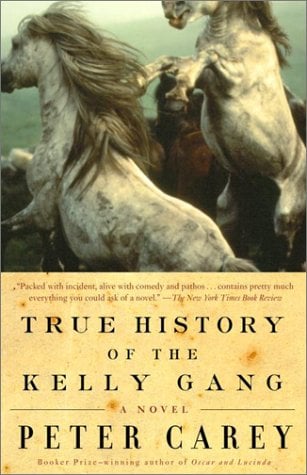
Peter Carey · Australian fiction, Historical fiction, Bushrangers
Peter Carey's Booker Prize-winning novel reimagines the life of outlaw Ned Kelly in his own unpunctuated voice, framed as a testament to his daughter, transforming Australia's bushranger legend into a meditation on class and colonial injustice.
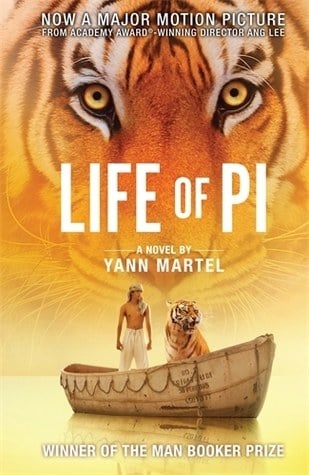
Yann Martel's Booker Prize-winning novel recounts an Indian boy who survives a shipwreck and shares a lifeboat with a Bengal tiger across the Pacific, weaving faith and storytelling into a parable about how we make meaning of survival.
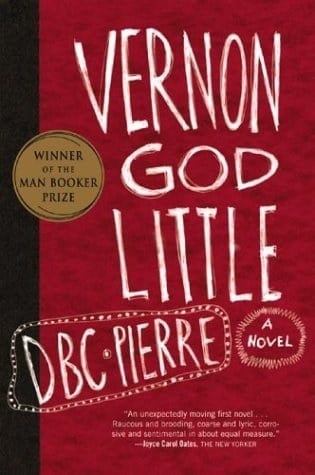
DBC Pierre · School violence, Coming of age, Mass media
DBC Pierre's debut, winner of the 2003 Booker Prize, is a black comedy narrated by a Texas teenager wrongly implicated in a high-school massacre, satirizing American media spectacle, consumerism, and the rush to assign blame.
John Banville's 2005 Booker Prize-winning novel follows art historian Max Morden, who after his wife's death returns to the seaside town of his childhood, where memory, grief, and a long-buried loss intertwine.
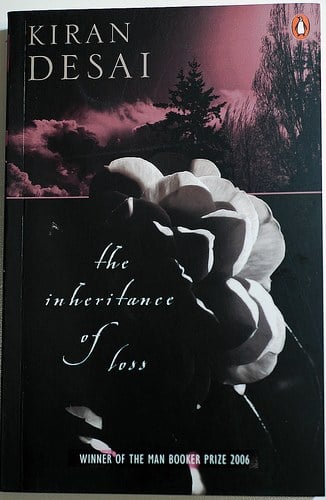
Kiran Desai's 2006 Booker Prize winner interweaves the lives of an embittered retired judge in the Himalayas, his orphaned granddaughter, and a cook's son struggling in New York, examining the legacies of colonialism, migration, and globalization.
Anne Enright · Family secrets, Grief, Irish fiction
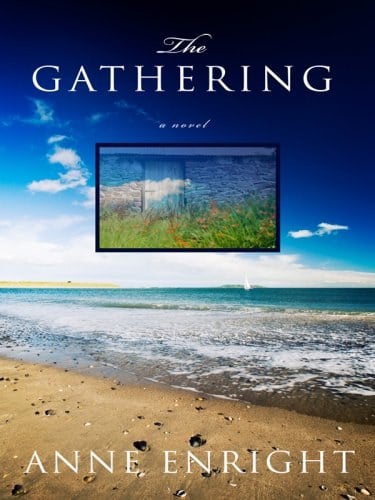
Anne Enright's 2007 Booker Prize-winning novel gathers the large Hegarty family in Dublin for a brother's wake, as narrator Veronica confronts a long-held secret and the weight of memory, love, and loss across generations.
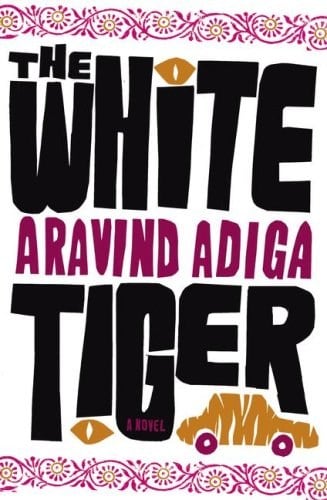
Aravind Adiga's 2008 Booker Prize-winning debut is told through letters by Balram Halwai, a driver turned entrepreneur, whose darkly comic ascent from servitude to murder exposes the corruption and stark class divisions of modern India.
Hilary Mantel · Historical fiction, Biographical fiction, Tudor England
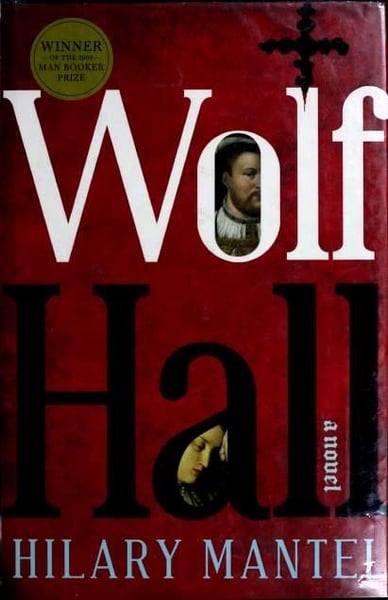
Hilary Mantel's 2009 Booker Prize winner, the first of her Cromwell trilogy, dramatizes Thomas Cromwell's rise to power in the court of Henry VIII, from his humble origins to his role in the king's break with Rome.
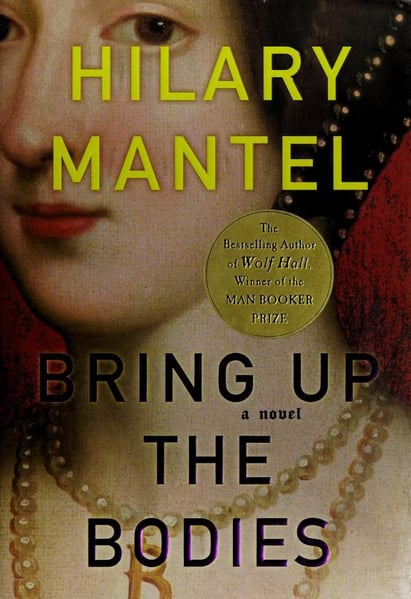
Hilary Mantel · Historical fiction, Tudor England, Anne Boleyn
Hilary Mantel's 2012 Booker Prize winner, sequel to Wolf Hall, follows Thomas Cromwell as he engineers the downfall and execution of Anne Boleyn, charting the ruthless machinery of power in Henry VIII's court.
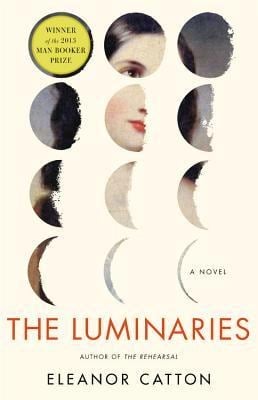
Eleanor Catton's 2013 Booker Prize-winning novel, set during the 1860s New Zealand gold rush, uses an astrological structure to unravel an intricate mystery of murder, fortune, and intertwined fates in a frontier town.
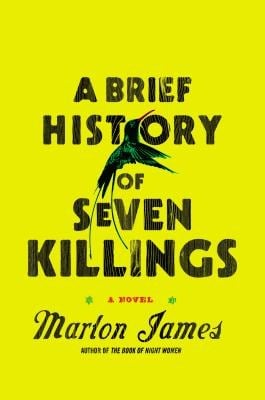
Marlon James's 2015 Booker Prize winner is a polyphonic novel built around the 1976 attempted assassination of Bob Marley, spanning decades of Jamaican political turmoil, gang warfare, and the drug trade through many voices.
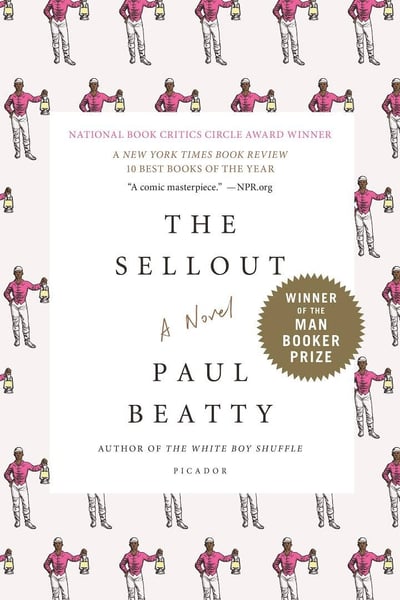
Paul Beatty · Satire, Race relations, African Americans
Paul Beatty's 2016 Booker Prize winner is a biting satire in which a Black narrator from a fading Los Angeles neighborhood reinstates segregation and slavery, landing before the Supreme Court, to skewer American myths about race and equality.
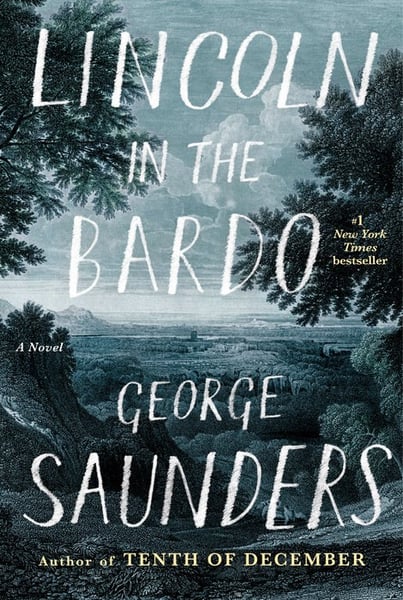
George Saunders · Historical fiction, Presidents, Grief
George Saunders's first novel reimagines the night Abraham Lincoln grieves his dead son Willie, set in a Tibetan-inspired bardo where a chorus of ghosts narrates. It explores mortality, grief, and compassion. Winner of the 2017 Booker Prize.
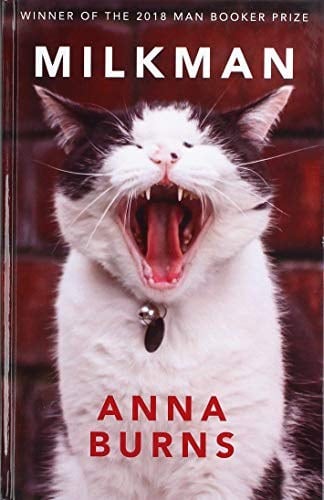
Anna Burns · Northern Ireland fiction, Coming of age, Psychological fiction
Anna Burns's novel follows an unnamed young woman in an unnamed city during the Troubles, pursued by a paramilitary figure known as the milkman. It examines surveillance, rumor, and gendered intimidation in a divided community. Winner of the 2018 Booker Prize.
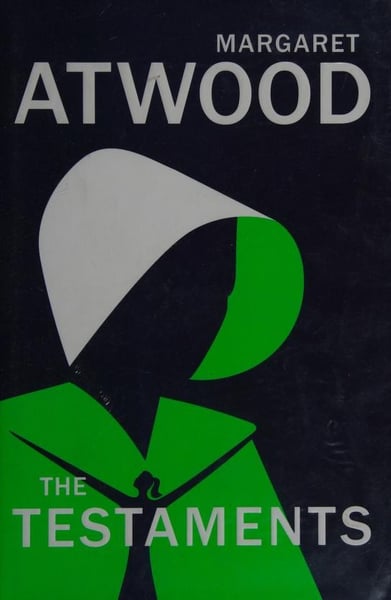
Margaret Atwood · Dystopian fiction, Totalitarianism, Women
Margaret Atwood's sequel to The Handmaid's Tale returns to Gilead more than fifteen years later through three female narrators, including Aunt Lydia. It exposes the regime's inner workings and the seeds of its collapse. Co-winner of the 2019 Booker Prize.
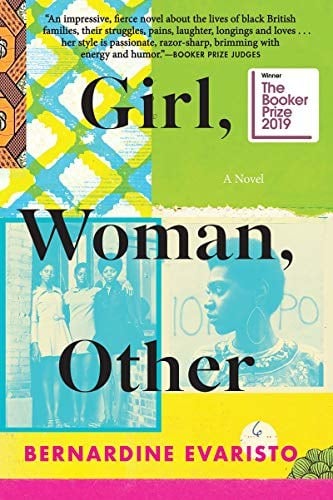
Bernardine Evaristo · Black women, English literature, LGBTQ fiction
Bernardine Evaristo's polyphonic novel interweaves the lives of twelve mostly Black British women across generations and regions of Britain. Written in fluid verse-like prose, it explores identity, race, gender, and sexuality. Co-winner of the 2019 Booker Prize.
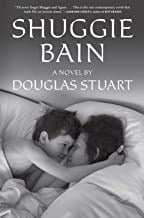
Douglas Stuart · Literary fiction, Coming of age, Working class families
Douglas Stuart's debut traces a sensitive boy caring for his alcoholic mother Agnes in 1980s post-industrial Glasgow. It portrays addiction, poverty, and queer self-discovery within a struggling working-class family. Winner of the 2020 Booker Prize.
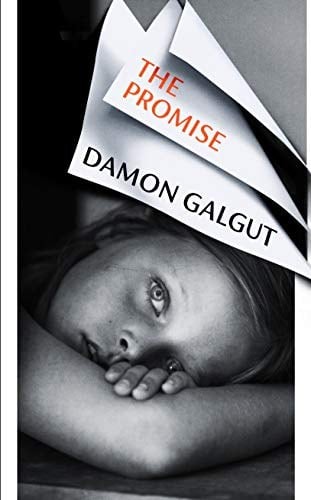
Damon Galgut's novel follows the white South African Swart family across four funerals spanning decades, anchored by a broken promise to give their Black servant her own home. It charts the nation's transition from apartheid through personal decline. Winner of the 2021 Booker Prize.
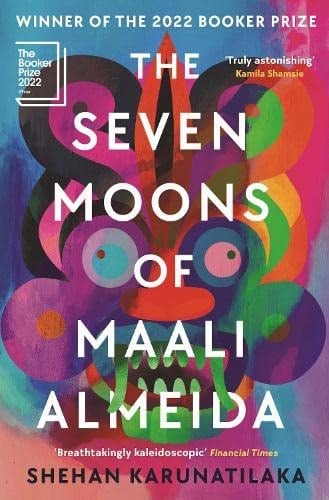
Shehan Karunatilaka · Sri Lankan fiction, Photographers, Afterlife
Shehan Karunatilaka's novel opens with a gay war photographer awakening dead in a bureaucratic afterlife, with seven moons to solve his own murder amid Sri Lanka's civil war. It blends satire, ghost story, and political reckoning. Winner of the 2022 Booker Prize.
Paul Lynch · Dystopian fiction, Ireland, Totalitarianism
Paul Lynch's novel depicts a mother of four in a Dublin sliding into authoritarianism after her trade-unionist husband is detained by a new secret police. It dramatizes the collapse of democracy and the refugee experience. Winner of the 2023 Booker Prize.
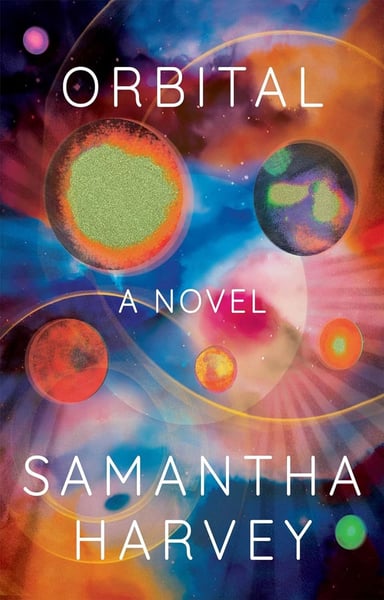
Samantha Harvey · Literary fiction, Astronauts, Space stations
Samantha Harvey's slender novel follows six astronauts and cosmonauts aboard a space station over a single day of sixteen orbits. Contemplating Earth from above, it meditates on time, environment, and human connection. Winner of the 2024 Booker Prize.


No comments yet — be the first.