8 essential works by the philosopher of the absurd
CE
Caleido Editorial TeamJune 1, 202615 min read0 views
Albert Camus (1913-1960) was a French-Algerian novelist, philosopher, and journalist whose work explored the absurdity of human existence with a clarity and moral urgency that has lost none of its power. Born into poverty in French Algeria, he became one of the most important literary voices of the twentieth century, winning the Nobel Prize in Literature in 1957 at just 44 — making him the second-youngest laureate in the prize's history.
Hidden Gems & Little-Known Facts
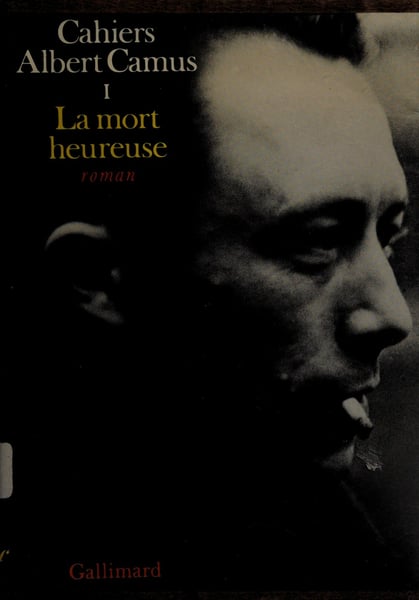
While The Stranger (1942) is his most widely read novel, three lesser-known works reveal different and arguably deeper dimensions of his genius. The Fall (1956), a short, devastating monologue delivered by a self-lacerating ex-lawyer in an Amsterdam bar, is considered by many critics his finest and most complex work — a masterclass in unreliable narration and moral self-examination. A Happy Death (1971, published posthumously), his first novel written in the late 1930s, is a fascinating proto-version of The Stranger that reveals how Camus's ideas about death and freedom evolved. The First Man (1994), the unfinished autobiographical novel found in his briefcase after the car crash that killed him, is an achingly beautiful memoir of growing up poor in Algeria — many readers consider it his most moving work.
Camus died on January 4, 1960, when the car driven by his publisher Michel Gallimard struck a tree. He was 46 years old, with a return train ticket in his pocket — he had changed his travel plans at the last minute. The manuscript of The First Man was found scattered in the wreckage. In his youth, Camus was a goalkeeper for the Racing Universitaire d'Alger football club before tuberculosis ended his athletic career. His famous falling-out with Jean-Paul Sartre over communism — triggered by Camus's critique in The Rebel (1951) — became one of the defining intellectual ruptures of the Cold War era.
Albert Camus · French literature, Happiness, Murderers
Camus's first novel, written in the late 1930s but published posthumously, follows Patrice Mersault's pursuit of a 'conscious' happiness through wealth and time. It prefigures themes and the protagonist's name later refined in The Stranger.
Meursault, an emotionally detached French Algerian, kills an Arab man and is condemned as much for his indifference to social convention as for the crime itself. The novel is a foundational text of Camus's philosophy of the absurd.
Albert Camus · Absurd (philosophy), Existentialism, Suicide
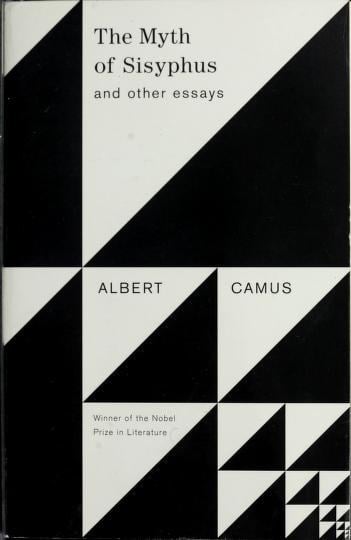
Camus's central philosophical essay confronts the absurd—the conflict between humanity's search for meaning and a silent universe—and argues that one can live fully without appeal, imagining Sisyphus happy in his endless labor.
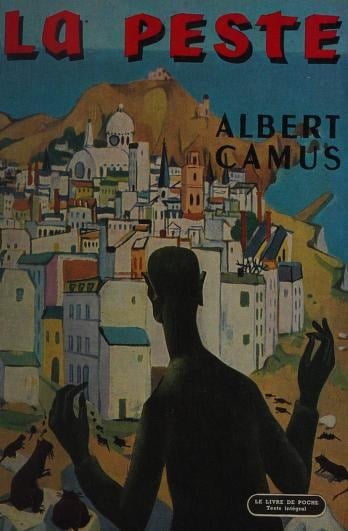
In the Algerian city of Oran, a plague outbreak forces residents into quarantine and confronts them with suffering and death. Often read as an allegory of resistance and human solidarity in the face of absurd catastrophe.
Albert Camus · Good and evil, Revolutions, Nihilism
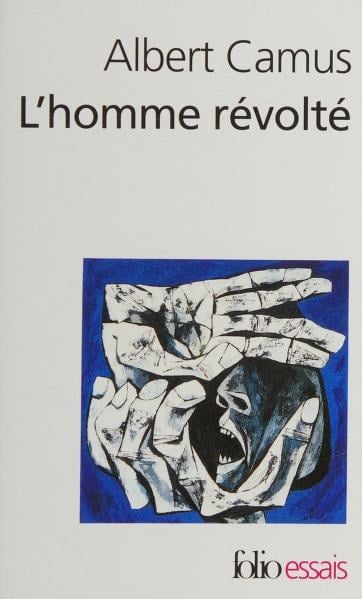
A book-length essay tracing the history of rebellion and revolution, distinguishing genuine revolt that affirms human limits from ideological violence. Its critique of revolutionary terror precipitated Camus's break with Sartre.
Albert Camus · Conscience, Existentialism, French fiction
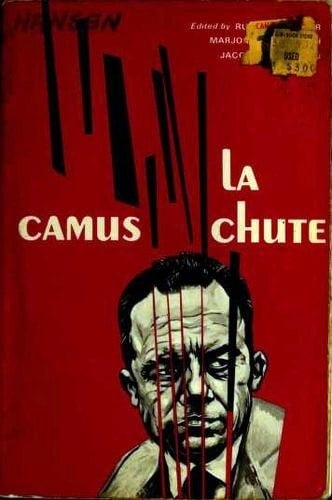
In an Amsterdam bar, the former lawyer Jean-Baptiste Clamence delivers a confessional monologue exploring guilt, judgment, and hypocrisy. Camus's last completed novel is a sustained meditation on conscience and self-deception.
Albert Camus · Short stories, Exile, French fiction
A collection of six short stories set largely in Algeria and exploring themes of isolation, belonging, and moral choice. It was the last work of fiction Camus published in his lifetime.
Albert Camus · Algeria in fiction, Fatherless families, French fiction
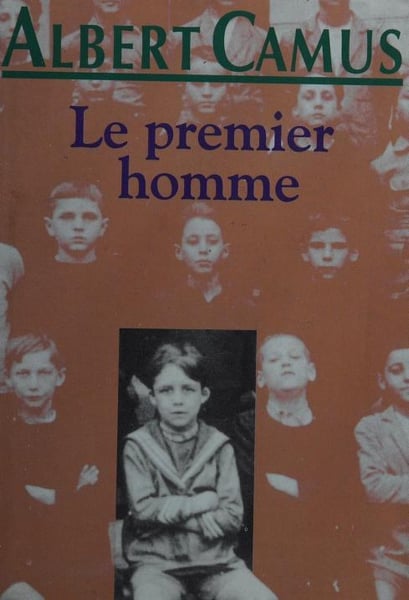
Camus's unfinished autobiographical novel, recovered from the manuscript he carried at his death and published decades later, traces a poor boy's childhood in colonial Algeria and his search for his unknown father.

No comments yet — be the first.