Caleido Editorial TeamJune 1, 202620 min read0 views
Agatha Christie (1890-1976) is the best-selling fiction writer of all time, with over two billion copies of her books sold worldwide. Born in Torquay, Devon, she created two of literature's most enduring detectives — the fastidious Belgian Hercule Poirot and the deceptively sharp village spinster Miss Jane Marple. Over a career spanning more than five decades, she wrote 66 detective novels, 14 short story collections, and the world's longest-running play.
Hidden Gems & Little-Known Facts
While Murder on the Orient Express and And Then There Were None dominate popular culture, several Christie novels deserve far wider readership. Crooked House (1949) features neither Poirot nor Marple and was Christie's own personal favourite among her novels — a chilling family mystery where the killer's identity remains one of the most shocking reveals in all of detective fiction. Endless Night (1967) is a dark psychological thriller utterly unlike her cozy whodunits, closer in spirit to Patricia Highsmith than to the Golden Age. Five Little Pigs (1942) is a retrospective murder investigation — Poirot examines a crime committed sixteen years earlier through the conflicting testimonies of five suspects — and is widely considered her finest Poirot novel by critics and scholars alike.
Christie famously disappeared for eleven days in December 1926, triggering a massive nationwide manhunt — she was eventually found registered at a hotel under the name of her husband's mistress, and the incident remains one of the great unsolved mysteries of literary history. She also wrote six romance novels under the pseudonym Mary Westmacott, keeping this secret identity hidden for over fifteen years. Her play The Mousetrap opened in London in 1952 and is still running today — over seventy years later — making it the longest-running play in history. During both World Wars she worked as a pharmacy dispenser, gaining the expert knowledge of poisons that would become a hallmark of her plotting.
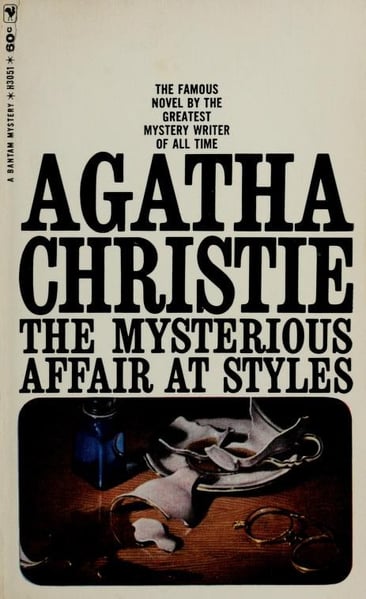
Agatha Christie's debut novel, introducing Belgian detective Hercule Poirot, who investigates the poisoning of a wealthy heiress at an English country estate during the First World War. It established the classic puzzle-mystery form Christie would define.
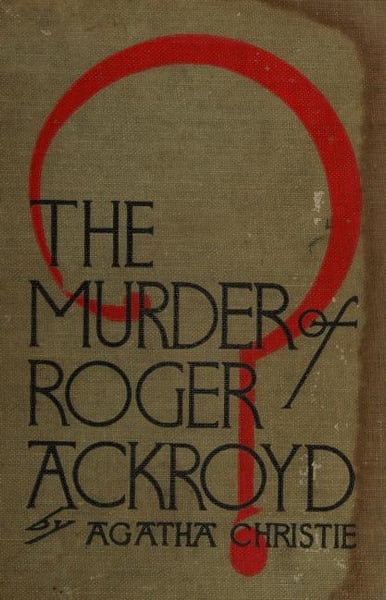
Hercule Poirot, retired in a quiet village, investigates the stabbing of Roger Ackroyd. Famous for its unconventional narration and a twist ending that provoked debate over fair-play detective fiction, it is often cited among the most influential mystery novels.
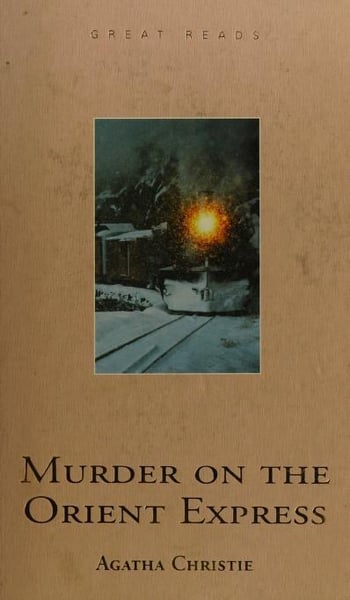
Hercule Poirot investigates the murder of a passenger aboard a snowbound luxury train, where every traveller is a suspect. Its closed-circle setting and morally ambiguous resolution make it one of Christie's best-known works.
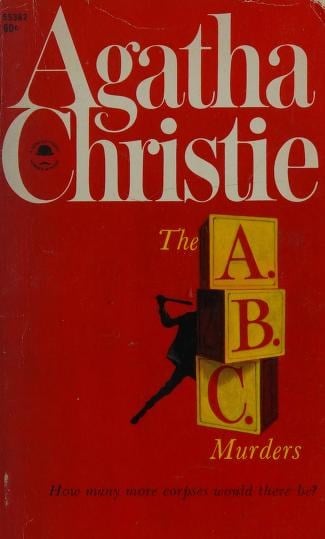
There's a serial killer on the loose, bent on working his way though the alphabet. There seems little chance of the murderer being caught - until her makes the crucial and vain mistake of challenging Hercule Poirot to frustrate his plans . . .
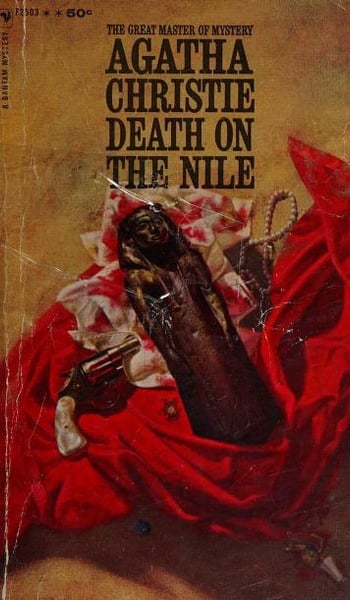
While cruising the Nile, Hercule Poirot investigates the murder of a wealthy young heiress amid a tangle of jealousy and romance. Drawing on Christie's travels in Egypt, it is among her most celebrated Poirot mysteries.
Agatha Christie · Detective and mystery fictionBook
Agatha Christie · Detective and mystery fiction, Murder, Islands
Ten strangers are lured to an isolated island and killed one by one according to a nursery rhyme, with no detective and no apparent survivor. One of the best-selling novels of all time, it is a landmark of the closed-circle and psychological mystery.
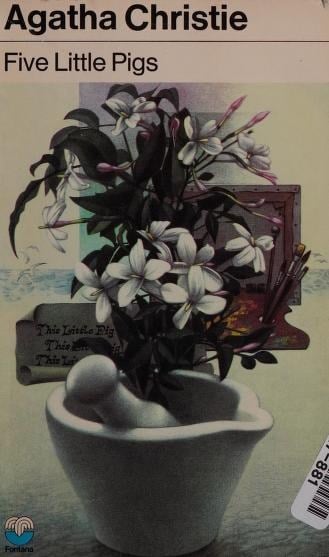
Hercule Poirot reopens a sixteen-year-old murder case, reconstructing events from the conflicting accounts of five witnesses to clear a woman convicted of poisoning her husband. It is admired for its psychological depth and elegant retrospective structure.
Agatha Christie · Detective and mystery fictionBook
Agatha Christie · Detective and mystery fiction, Miss Marple (Fictitious character), Anonymous letters
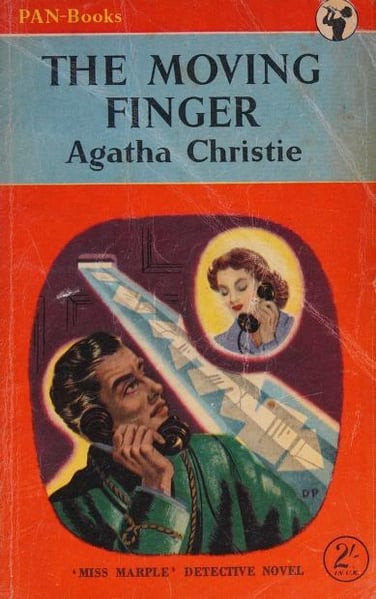
A wave of poison-pen letters in a quiet English village escalates to apparent suicide and murder, until Miss Marple uncovers the truth. The novel is a notable example of Christie's village-mystery storytelling.
Agatha Christie · Detective and mystery fictionBook
Agatha Christie · Detective and mystery fiction, Murder investigation, Families
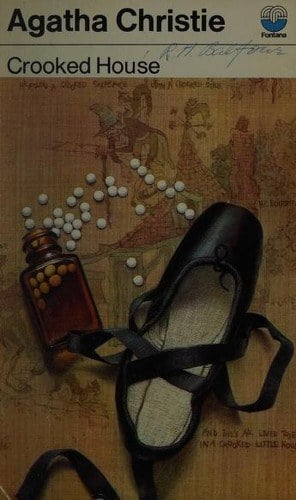
A large family living together under one roof becomes the focus of a murder inquiry after the wealthy patriarch is poisoned. A standalone novel Christie named among her own favorites, known for its unsettling resolution.
Agatha Christie · Detective and mystery fictionBook
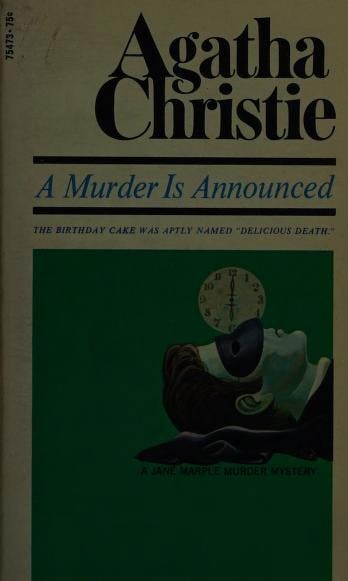
Agatha Christie · Detective and mystery fiction, Miss Marple (Fictitious character), Murder investigation
When a newspaper notice announces a murder at a specific time and place, curious villagers gather only to witness a real killing, and Miss Marple investigates. It is regarded as one of the strongest Miss Marple novels.
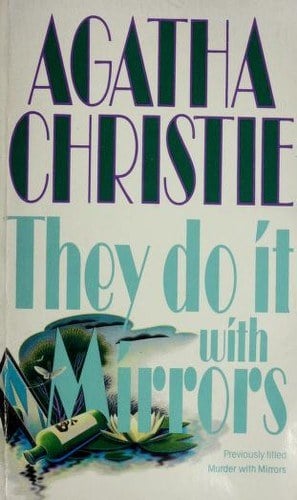
Agatha Christie · Fiction, Jane Marple (Fictitious character), Women detectives
A Miss Marple mystery set at a rambling Victorian mansion that doubles as a rehabilitation centre for young offenders, where Marple investigates a death and a failed murder to protect her old friend Carrie Louise.
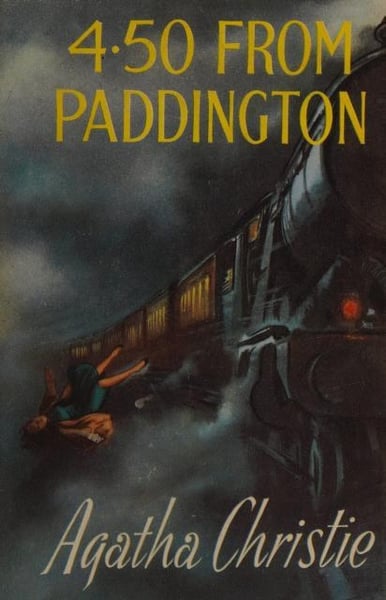
Agatha Christie · Fiction, Mystery, Jane Marple (Fictitious character)
A Miss Marple novel in which an elderly woman glimpses a strangling through the window of a passing train, and Marple must prove a crime occurred despite the absence of a body, suspects, or witnesses.
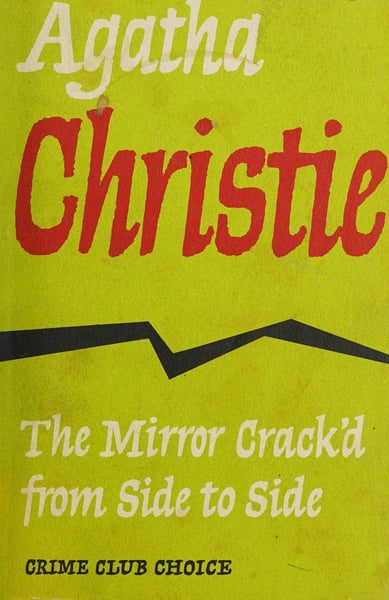
Agatha Christie · Fiction, Mystery, Jane Marple (Fictitious character)
A Miss Marple mystery in which a film star settles in St Mary Mead and a local fan is fatally poisoned at a reception, leading Marple to suspect the lethal drink was meant for someone else.
Agatha Christie · Fiction, Mystery, Detective and mystery stories
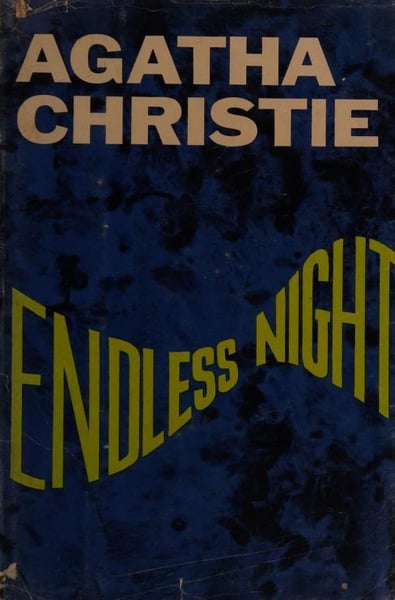
A standalone suspense novel narrated by a young drifter who builds a home with his heiress wife at the ominous Gipsy's Acre, exploring fate, obsession, and the choice of evil; Christie counted it among her favourites.
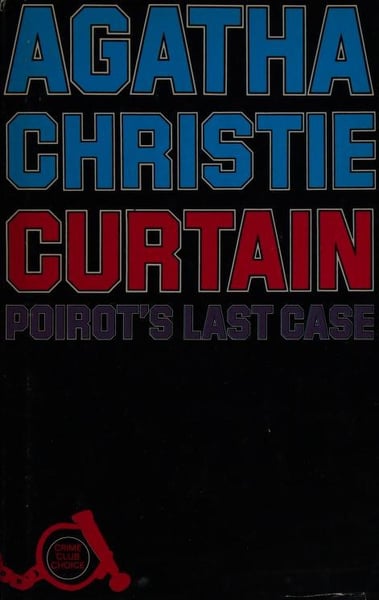
Hercule Poirot's final case, in which an ailing Poirot returns to Styles, the scene of his first investigation, summoning Hastings to help him stop a hidden serial murderer among the house guests.

No comments yet — be the first.