30 masterworks of Russian literature from Pushkin to Solzhenitsyn
CE
Caleido Editorial TeamJune 1, 202625 min read0 views
Russian literature stands as one of the great pillars of world culture. In the span of two centuries, Russian writers produced a body of work of unmatched depth and emotional power — novels that plumb the deepest recesses of the human soul, plays that capture the melancholy of a vanishing world, and stories that bear witness to some of history's darkest chapters.
From Pushkin's verse novel that defined Russian Romanticism to Solzhenitsyn's searing accounts of the Gulag, from Dostoevsky's psychological explorations to Bulgakov's satirical masterpiece, these 30 works represent the essential canon of Russian literature.
Use the checklist below to track your journey through the Russian literary tradition.
Alexander Pushkin · Russian literature, Verse novel, Fiction
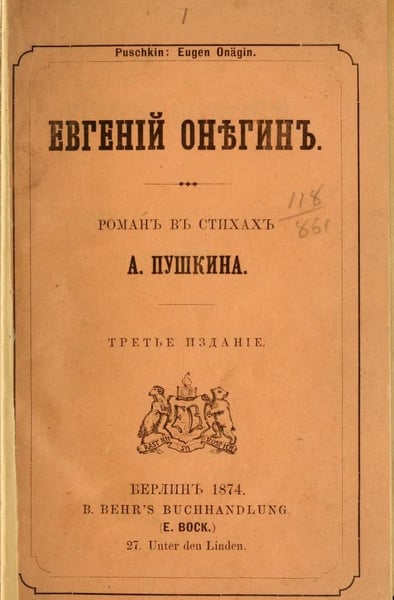
Pushkin's novel in verse follows the jaded aristocrat Onegin, his rejection of Tatyana's love, and his fatal duel with the poet Lensky. A cornerstone of Russian literature, it established the 'superfluous man' and shaped the modern Russian literary language.
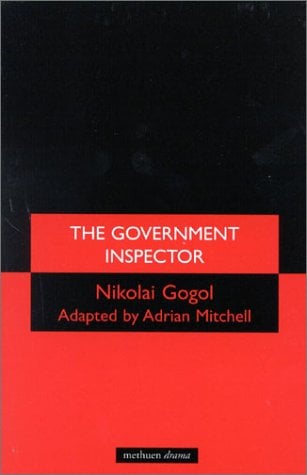
Gogol's satirical comedy depicts a provincial town's corrupt officials who mistake a penniless traveler for a feared government inspector. The play skewers bureaucratic greed, vanity, and self-deception in Imperial Russia.
Mikhail Lermontov · Russian literature, Fiction, Continental European fiction
Lermontov's novel assembles linked narratives around Pechorin, a cynical, restless officer in the Caucasus whose detachment harms those around him. An early psychological novel, it crystallized the 'superfluous man' type in Russian literature.
Nikolai Gogol · Russian literature, Fiction, Satire
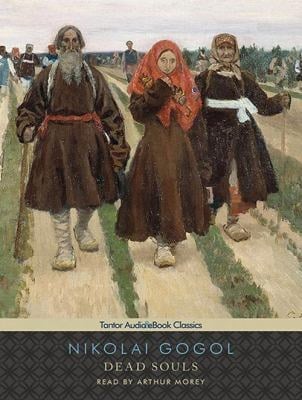
Gogol's satirical novel follows the schemer Chichikov as he buys deceased serfs ('souls') still listed on tax rolls to inflate his standing. A panoramic critique of provincial Russia and serfdom, it mixes comedy with moral seriousness.
Nikolai Gogol · Russian literature, Short stories, Fiction
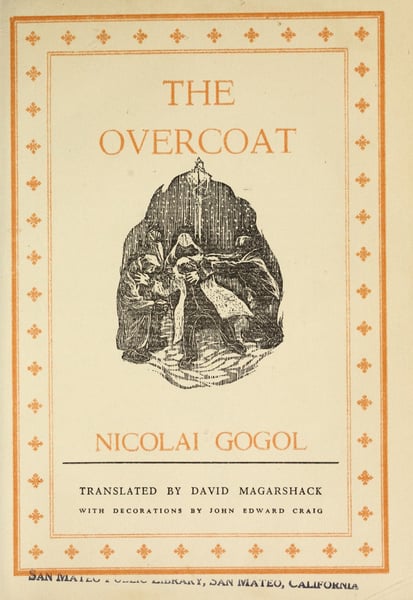
Gogol's story follows Akaky Akakievich, a lowly copying clerk whose life centers on a new overcoat that is then stolen. A landmark of Russian realism, it shaped the literature of compassion for the downtrodden official.
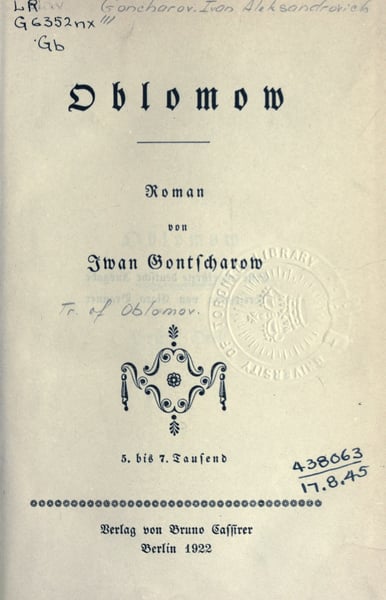
Goncharov's novel portrays Oblomov, a gentle landowner so paralyzed by apathy and indecision that he can barely leave his bed. His inertia gave Russian its term 'Oblomovism' for the listlessness of the gentry.
Ivan Turgenev · Russian literature, Fiction, Nihilism
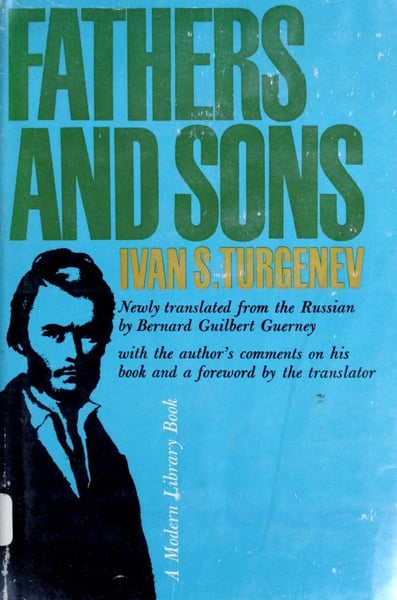
Turgenev's novel dramatizes the clash between liberal gentry and the younger nihilist generation through Bazarov, a coldly rational medical student. It captured the ideological tensions of 1860s Russia and popularized the term 'nihilist'.
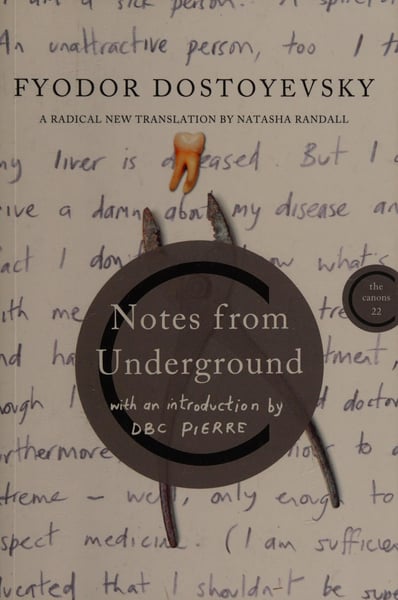
Dostoevsky's novella presents the bitter monologue of an isolated, spiteful narrator who rejects rationalist ideals of progress. Often called a forerunner of existentialism, it explores free will, alienation, and self-destructive consciousness.
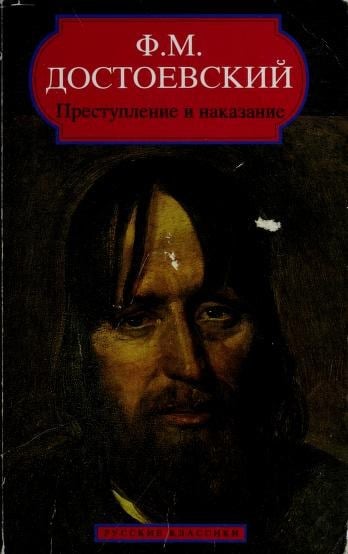
Dostoevsky's novel follows the impoverished student Raskolnikov, who murders a pawnbroker to test his theory of the extraordinary man, then endures mounting guilt. A foundational psychological novel exploring conscience, suffering, and redemption.
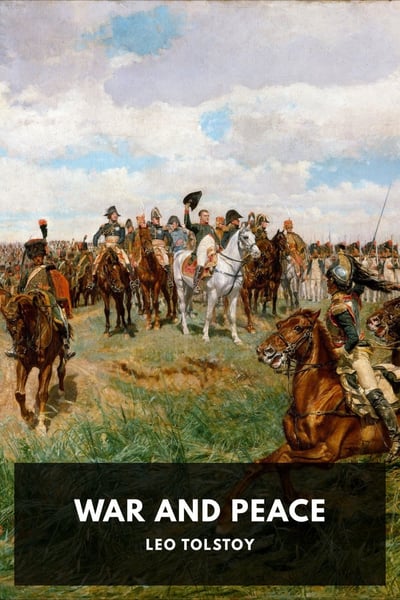
Leo Tolstoy · Russian literature, Fiction, Historical fiction
Tolstoy's epic interweaves the lives of aristocratic families with the Napoleonic invasion of Russia, following characters such as Pierre, Andrei, and Natasha. It blends panoramic history with intimate drama and Tolstoy's reflections on history and free will.
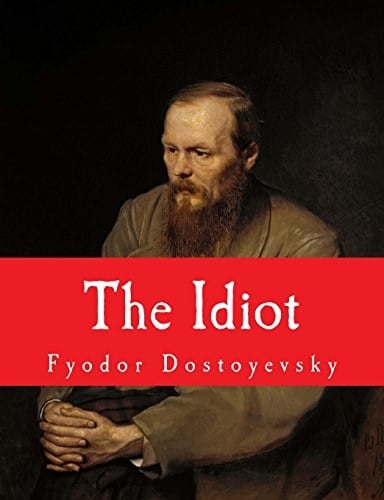
Fyodor Dostoevsky · Russian fiction, Classic literature, Good and evil
Dostoevsky's novel about Prince Myshkin, an innocent, Christ-like figure whose return to Russian society draws him into a destructive love triangle, testing whether genuine goodness can survive amid greed, pride, and passion.
Fyodor Dostoevsky · Russian fiction, Classic literature, Political fiction
Dostoevsky's political novel chronicling a provincial town consumed by a circle of radical nihilists, dramatizing the destructive ideologies and moral chaos he saw in Russia's revolutionary movements of the 1860s and 70s.
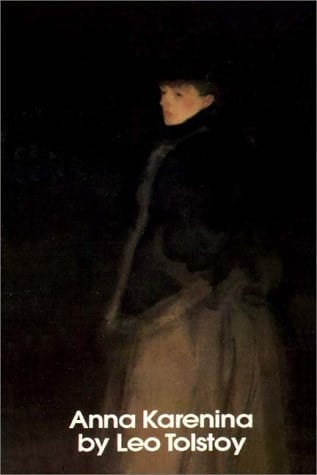
Leo Tolstoy · Russian literature, Adultery, Marriage
Tolstoy's panoramic novel contrasting Anna's adulterous affair with Count Vronsky and its tragic consequences against Levin's search for meaning, exploring marriage, faith, and the hypocrisy of Russian high society.
Fyodor Dostoevsky · Russian literature, Fathers and sons, Psychological fiction
Dostoevsky's final novel, centered on the murder of Fyodor Karamazov and the differing natures of his sons, probing faith, doubt, free will, and moral responsibility against the spiritual crisis of 19th-century Russia.
Leo Tolstoy · Russian fiction, Novellas, Death in fiction
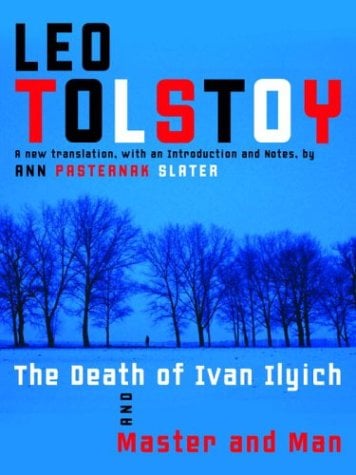
Tolstoy's novella following a self-satisfied judge whose terminal illness forces him to confront the emptiness of his conventional life, a meditation on mortality, authenticity, and the possibility of late spiritual awakening.
Anton Chekhov · Russian short stories, Continental European fiction, Social life and customs
Chekhov's short story about a cynical Moscow man and a young married woman whose seaside affair in Yalta unexpectedly deepens into genuine love, capturing his subtle realism about longing and the constraints of ordinary life.
Leo Tolstoy · Russian fiction, Atonement, Social justice
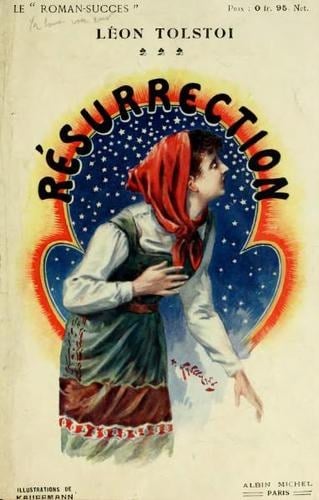
Tolstoy's last novel, in which a nobleman recognizes his guilt in the ruin of a woman now on trial and seeks atonement, offering a sweeping critique of the penal system, state religion, and social injustice.
Anton Chekhov · Russian drama, Sisters, Social conditions
Chekhov's four-act drama about the Prozorov sisters yearning to return to Moscow as their provincial lives stagnate, a study of unfulfilled hopes, the passage of time, and quiet endurance.
Anton Chekhov · Russian drama, Social change, Landowners
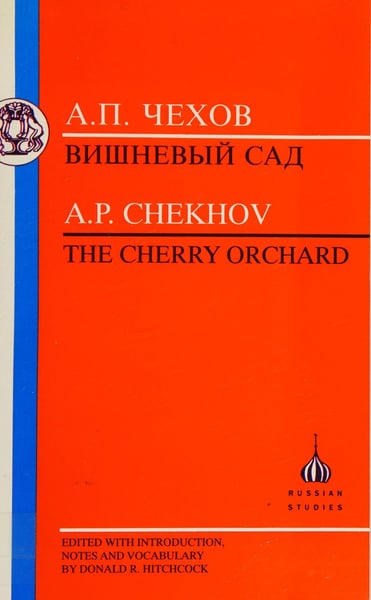
Chekhov's final play, depicting an aristocratic family that loses its beloved estate and cherry orchard to a self-made merchant, dramatizing social change and the decline of the old Russian gentry.
Zamyatin's pioneering dystopia, set in a regimented glass-walled One State where citizens are known by numbers, following engineer D-503 as awakened emotion draws him toward rebellion; a foundational influence on later dystopian fiction.
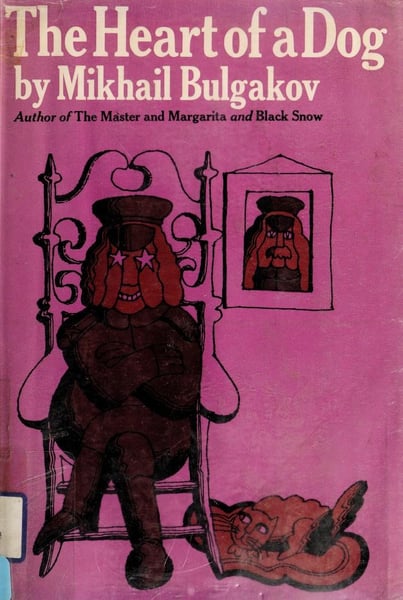
Mikhail Bulgakov · Russian fiction, Satirical fiction, Soviet Union
A darkly comic novella in which a Moscow surgeon transplants human organs into a stray dog, producing a crude humanlike creature; written in 1925 and long banned in the USSR, it satirizes the Soviet experiment of remaking human nature.
Mikhail Sholokhov · Russian fiction, Historical fiction, Soviet Union
An epic novel of the Don Cossacks caught between World War I, the Russian Revolution, and civil war, following Grigory Melekhov's divided loyalties; its authorship and panoramic scope earned Sholokhov the 1965 Nobel Prize in Literature.
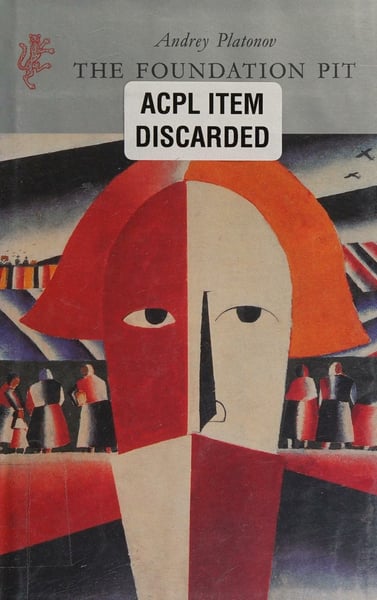
Andrei Platonov · Russian fiction, Political fiction, Soviet Union
Written around 1930, this allegorical novel follows workers endlessly digging the foundation for a never-built proletarian house, using bleak absurdism and broken language to critique Soviet collectivization and the utopian violence of the Stalinist era.
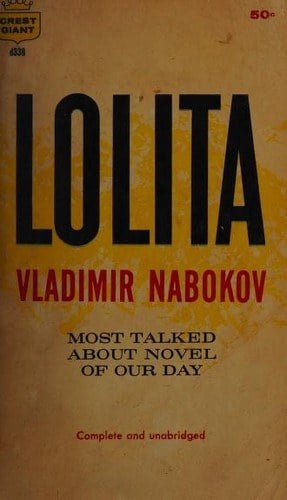
Vladimir Nabokov · Fiction, Russian-American literature, Banned books
Narrated by the manipulative Humbert Humbert, the novel chronicles his obsession with and abuse of twelve-year-old Dolores Haze; first published in Paris in 1955, it is celebrated for its stylistic brilliance and condemned for its disturbing subject.
Boris Pasternak · Russian fiction, Historical fiction, Russian Revolution
Tracing the physician-poet Yuri Zhivago through the Russian Revolution and civil war, the novel weaves personal love and lyric poetry against historical upheaval; banned in the USSR, it brought Pasternak the 1958 Nobel Prize, which he was forced to decline.
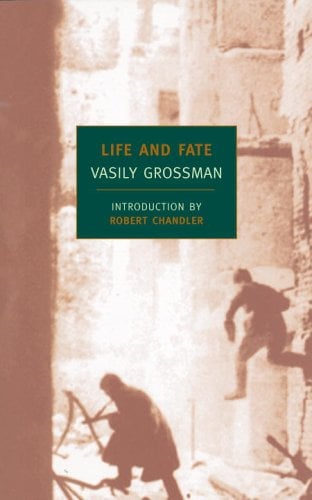
Vasily Grossman · Russian fiction, Historical fiction, Battle of Stalingrad
Centered on the Battle of Stalingrad and the Shaposhnikov family, this sweeping novel draws parallels between Nazi and Stalinist totalitarianism; suppressed by the KGB, its manuscript was smuggled out and published abroad only after Grossman's death.
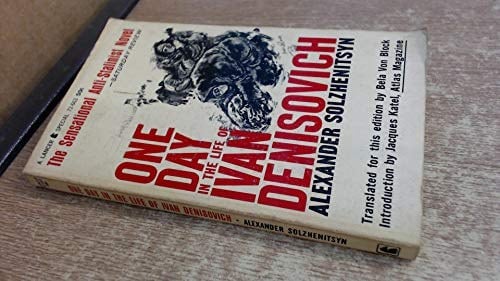
Aleksandr Solzhenitsyn · Russian fiction, Prison camps, Soviet Union
Depicting a single day of prisoner Ivan Denisovich Shukhov in a Soviet labor camp, the short novel was the first published Soviet account of the Gulag; its 1962 appearance marked a landmark of the Khrushchev Thaw.
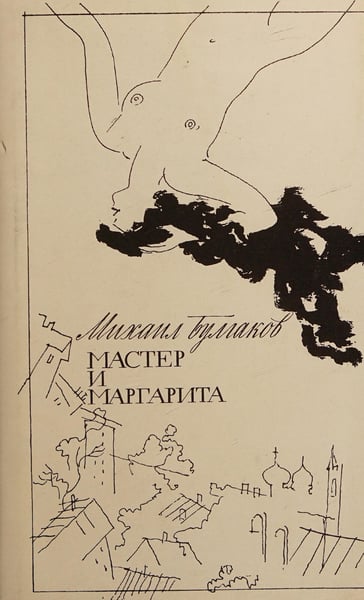
Mikhail Bulgakov · Russian fiction, Satire, Fantasy
Written between 1928 and 1940, the novel interweaves the Devil's visit to atheist Moscow, a love story, and a retelling of Pontius Pilate; published in censored form in 1966-67, it is regarded as a masterwork of Soviet satire and philosophical fantasy.
Venedikt Erofeev · Russian fiction, Prose poem, Soviet Union
A tragicomic prose poem recounting an alcoholic intellectual's drunken train journey toward the town of Petushki; circulated in samizdat from around 1970, it became a cult satire of stagnation-era Soviet life.
Aleksandr Solzhenitsyn · Soviet Union, Prison camps, Stalinist repression
A monumental documentary-literary investigation of the Soviet forced-labor camp system, drawing on testimony, memoir, and Solzhenitsyn's own imprisonment; its publication exposed the scale of Stalinist repression to the world.






No comments yet — be the first.