12 masterpieces by the greatest storyteller of the Victorian age
CE
Caleido Editorial TeamJune 1, 202620 min read0 views
Charles Dickens (1812-1870) was not merely a novelist — he was a cultural force who transformed the English language, championed social reform, and created characters so vivid they became part of the collective consciousness. Scrooge, Oliver Twist, Miss Havisham, Uriah Heep — these are no longer just fictional characters but archetypes woven into the fabric of Western culture.
Hidden Gems & Little-Known Facts
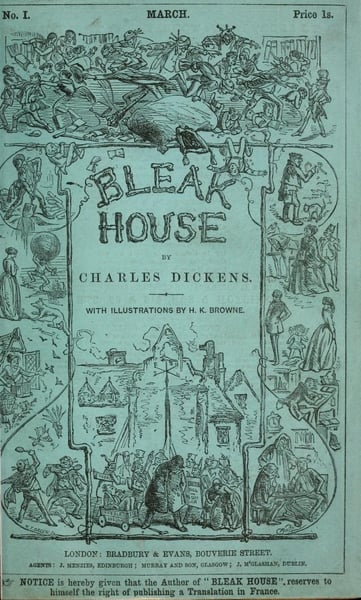
While A Tale of Two Cities and Great Expectations dominate school curricula, several Dickens novels deserve wider readership. Our Mutual Friend (1865), his last completed novel, is a darkly satirical masterpiece about money, identity, and the Thames — many scholars consider it his most sophisticated work. Bleak House (1853) features what is arguably the first detective in English literature (Inspector Bucket) and a narrative structure so innovative it still feels modern. The Pickwick Papers (1837), his debut, was published in serial installments and became such a sensation that bootleg copies appeared before the official chapters.
Dickens was a compulsive walker who covered 12-20 miles nightly through London's streets, drawing inspiration from what he observed. He performed dramatic public readings of his work that were so intense they may have contributed to his death — his final reading tour left him physically shattered. He kept a secret second family with actress Ellen Ternan for 13 years. His novels were originally published in weekly or monthly serial installments, meaning he wrote many of his greatest works without knowing how they would end.
Charles Dickens · Fiction, Societies and clubs, Male friendship
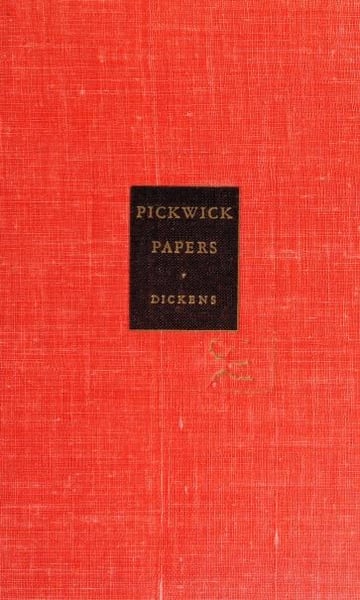
Dickens's first novel, originally serialized in 1836–37, follows the genial Samuel Pickwick and his club companions on comic travels across England. Its episodic humor and figures like Sam Weller made Dickens a celebrity and helped establish the serialized novel form.
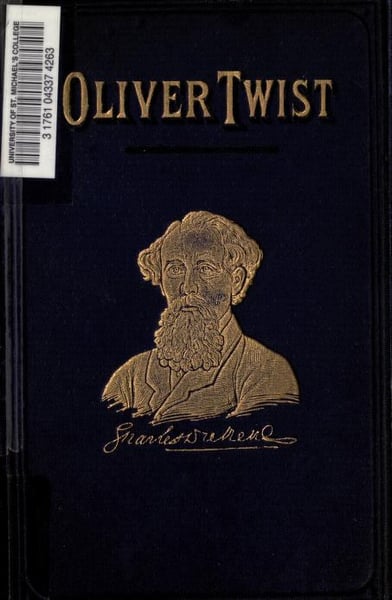
Following an orphan drawn into a London criminal underworld of thieves and pickpockets, the novel exposes the cruelty of the workhouse system and the Poor Laws, combining social critique with melodrama and memorable figures such as Fagin, the Artful Dodger, and Bill Sikes.
Charles Dickens · Fiction, Young men, Boarding schools
A young man struggles to support his mother and sister after his father's death while opposing his miserly uncle Ralph. The novel attacks the abuses of Yorkshire boarding schools, dramatized in the brutal Dotheboys Hall, alongside Dickens's characteristic comedy and sentiment.
The miser Ebenezer Scrooge is visited by the ghost of his partner Marley and three spirits who lead him to repentance and generosity. This novella shaped modern Christmas traditions and remains Dickens's most enduring meditation on charity and redemption.
Charles Dickens · Fiction, Bildungsromans, Orphans
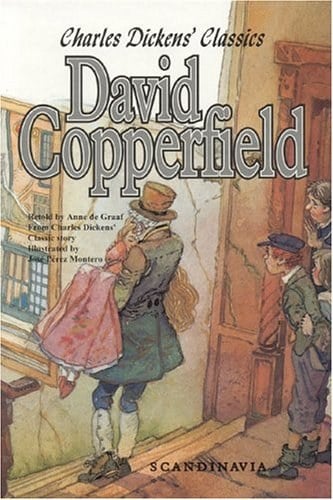
A first-person bildungsroman tracing its narrator from a troubled childhood through hardship to maturity as a writer. Dickens's most autobiographical novel introduces characters such as Mr. Micawber, Uriah Heep, and Betsey Trotwood and explores memory, perseverance, and self-discipline.
Charles Dickens · Fiction, Inheritance and succession, Law
Centered on the interminable Chancery suit Jarndyce and Jarndyce, the novel interweaves an omniscient narrator with Esther Summerson's account to satirize the English legal system and depict a society linked across class by mystery, contagion, and corruption.
Charles Dickens · Fiction, Industrialization, Social classes
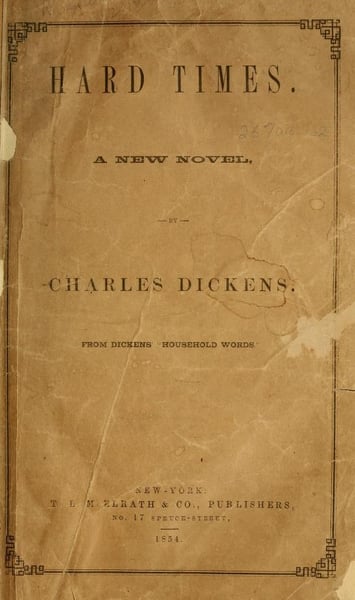
Set in the fictional industrial town of Coketown, Dickens's shortest novel critiques utilitarianism and a fact-obsessed education that crushes imagination, contrasting the lives of factory owners and workers to indict the dehumanizing effects of industrial capitalism.
Charles Dickens · Fiction, Debtors' prison, Social classes
Built around the Marshalsea debtors' prison where Amy Dorrit was born, the novel satirizes bureaucracy through the Circumlocution Office and financial speculation, examining imprisonment both literal and social across Victorian society.
Charles Dickens · Fiction, French Revolution, Historical fiction
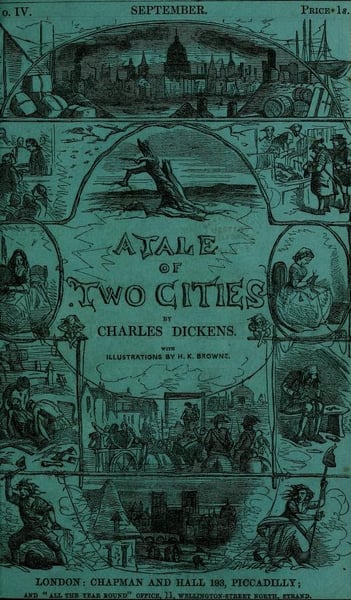
Set in London and Paris around the French Revolution, the novel follows Charles Darnay, Sydney Carton, and Lucie Manette through themes of resurrection, sacrifice, and social upheaval, opening and closing with some of Dickens's most quoted lines.
Charles Dickens · Fiction, Bildungsromans, Orphans
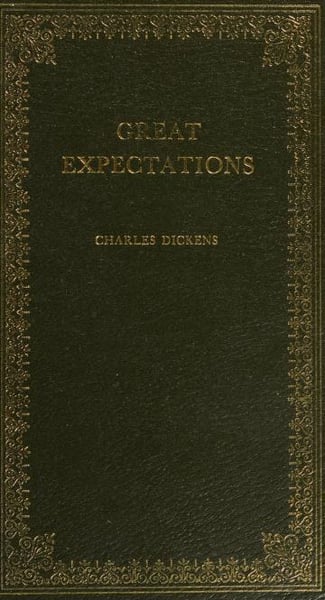
The orphan Pip narrates his rise from a blacksmith's apprentice toward gentility after a secret benefactor funds his 'expectations.' The novel examines ambition, guilt, and class, with figures such as the convict Magwitch and the jilted Miss Havisham.
Charles Dickens · Social classes, Inheritance and succession, Materialism
Dickens's last completed novel, a satiric study of how money and inheritance corrupt Victorian society, tracing intertwined fortunes around a Thames dustheap legacy while the river itself recurs as a symbol of death, renewal, and concealed identity.
Charles Dickens · Missing persons, Choral conductors, Triangles (Interpersonal relations)
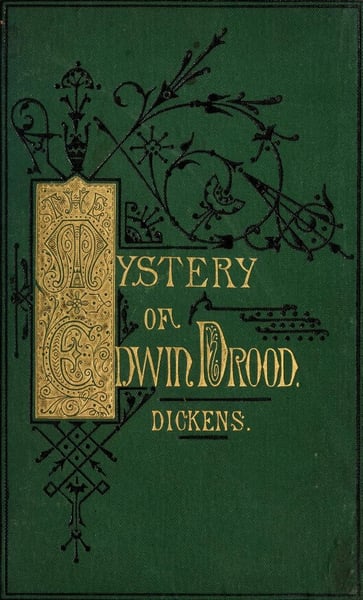
Dickens's final novel, left unfinished at his death, centering on choirmaster John Jasper's obsessive desire for Rosa Bud and the sudden disappearance of his nephew Edwin Drood, whose unresolved fate has fueled lasting critical and popular speculation.
No comments yet — be the first.