7 essential works by the chronicler of the Jazz Age
CE
Caleido Editorial TeamJune 1, 202615 min read0 views
F. Scott Fitzgerald (1896-1940) was an American novelist and short story writer who became the defining voice of the Jazz Age — a term he himself coined. His prose, celebrated for its lyrical beauty and emotional precision, captured the glamour, excess, and spiritual emptiness of the American Dream with a grace that no writer before or since has matched. He died at 44, believing himself a forgotten failure.
Hidden Gems & Little-Known Facts
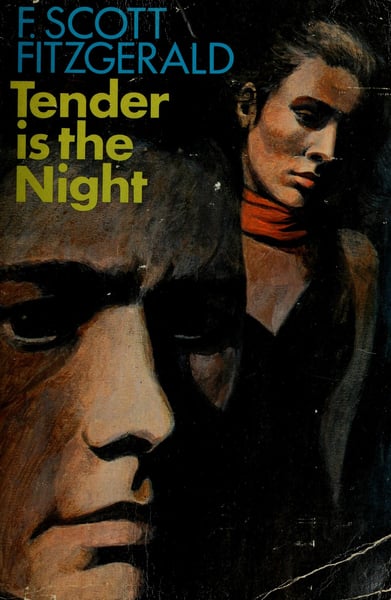
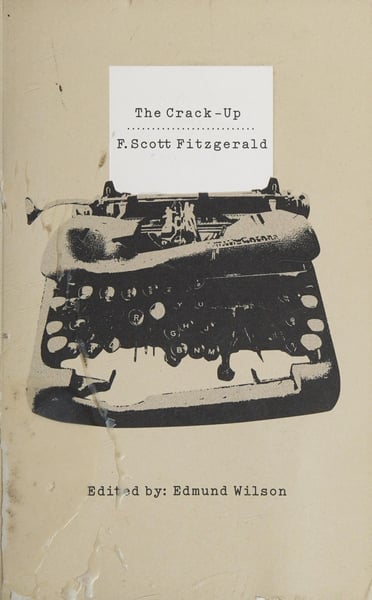
While The Great Gatsby (1925) is now considered the Great American Novel, several of Fitzgerald's other works offer equally rewarding — and in some ways deeper — reading. Tender Is the Night (1934), a largely autobiographical novel about a brilliant psychiatrist destroyed by his marriage to a wealthy patient, is the work many critics and fellow writers prefer to Gatsby — it took Fitzgerald nine agonizing years to complete and draws heavily on his marriage to Zelda and her mental illness. The Last Tycoon (1941), his unfinished Hollywood novel published posthumously, is a brilliant, hard-edged portrait of the film industry that Edmund Wilson called potentially his finest work. The Crack-Up (1936), a devastating series of autobiographical essays about his emotional and professional breakdown, is one of the most honest and unflinching pieces of confessional writing in American literature.
The Great Gatsby sold only about 25,000 copies during Fitzgerald's lifetime and was widely considered a commercial and critical disappointment. He died in 1940 believing himself a failure, with his books largely out of print. The novel's resurrection came during World War II, when the U.S. Armed Services Editions distributed 155,000 free copies to soldiers overseas — creating a new generation of readers who would make it an American classic. Zelda Fitzgerald's novel Save Me the Waltz drew heavily on the same experiences Scott used for Tender Is the Night, causing a bitter dispute between them. Fitzgerald coined not only 'the Jazz Age' but also popularized the term 'the American Dream.'
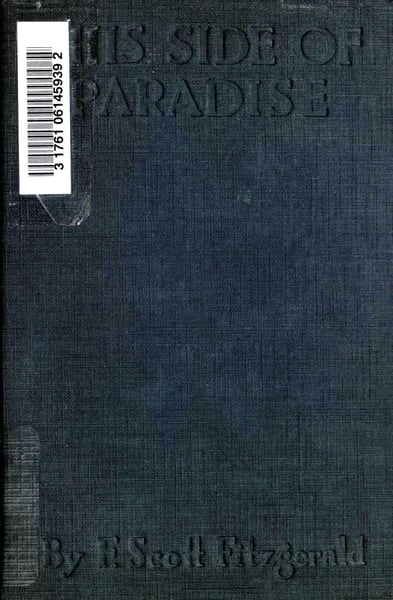
F. Scott Fitzgerald · Bildungsromans, Coming of age, College students
Fitzgerald's semi-autobiographical debut novel, written when he was twenty-three, traces Princeton student Amory Blaine's romantic disillusionment and search for identity, offering an early portrait of the post-war 'Lost Generation.'
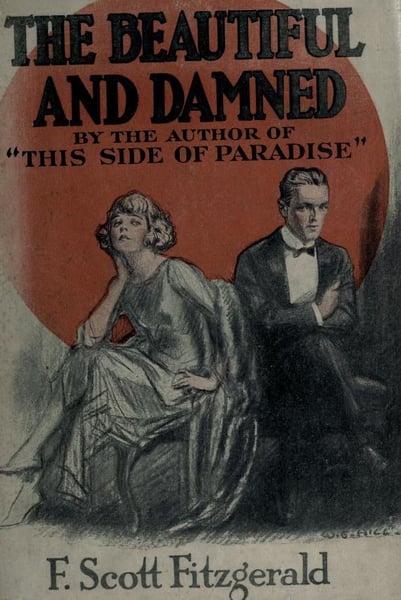
F. Scott Fitzgerald · American fiction, Marriage, Inheritance and succession
Fitzgerald's second novel follows Anthony Patch and his wife Gloria as they await an inheritance while their marriage erodes under idleness and excess, offering a critique of the moneyed elite and Jazz Age dissipation.
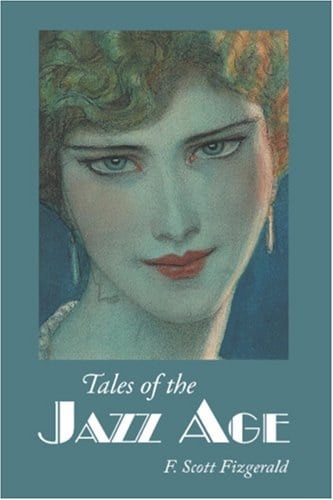
F. Scott Fitzgerald · Short stories, American fiction, Jazz Age
A collection of short fiction including 'The Curious Case of Benjamin Button,' 'May Day,' and 'The Diamond as Big as the Ritz,' surveying the excess, fantasy, and social tensions of the era Fitzgerald named.
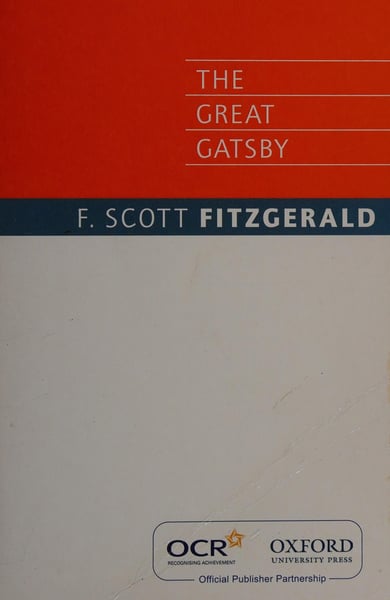
F. Scott Fitzgerald · American fiction, American Dream, Long Island (N.Y.)
Set on 1920s Long Island and narrated by Nick Carraway, the novel follows the enigmatic Jay Gatsby's pursuit of Daisy Buchanan, examining wealth, longing, and the corrosion of the American Dream.
F. Scott Fitzgerald · American fiction, Psychiatrists, Marriage
Set among American expatriates on the French Riviera, the novel charts the decline of psychiatrist Dick Diver and his marriage to his wealthy former patient Nicole, exploring ambition, dependency, and dissolution.
F. Scott Fitzgerald · Essays, Correspondence, Notebooks
Edited by Edmund Wilson and published posthumously, this collection gathers Fitzgerald's confessional essays, notebooks, and letters chronicling his emotional breakdown and attempted recovery after his Jazz Age fame faded.
F. Scott Fitzgerald · American fiction, Motion picture industry, Hollywood
Fitzgerald's unfinished final novel, published posthumously, follows the rise of Hollywood producer Monroe Stahr—modeled on Irving Thalberg—through the power, romance, and labor struggles of the film industry.
No comments yet — be the first.