10 masterworks from the architect of magical realism
CE
Caleido Editorial TeamJune 1, 202618 min read0 views
Gabriel Garcia Marquez (1927-2014), known affectionately as 'Gabo,' was a Colombian novelist, short story writer, and journalist who won the Nobel Prize in Literature in 1982. He is widely regarded as the greatest practitioner of magical realism — a literary mode in which the miraculous is presented as ordinary and the ordinary as miraculous. Born in the small Caribbean town of Aracataca, which would become the model for the fictional Macondo, Garcia Marquez began his career as a journalist before transforming Latin American literature with works of astonishing imagination and emotional power.
Hidden Gems & Little-Known Facts
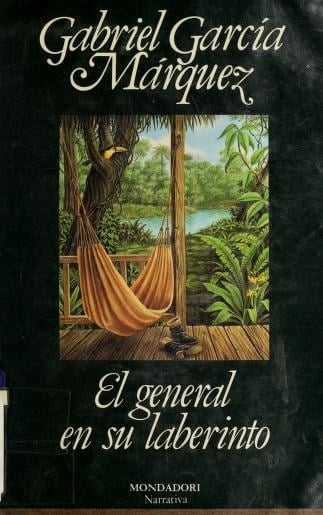
While One Hundred Years of Solitude towers over his reputation, several other works reveal different dimensions of Garcia Marquez's art. No One Writes to the Colonel (1961) is a lean, perfectly constructed novella about an aging colonel waiting for a pension that never arrives — many critics, including Garcia Marquez himself, considered it his most technically perfect work, preferring its restraint to the abundance of One Hundred Years. Chronicle of a Death Foretold (1981) is a murder mystery structured like investigative journalism, in which everyone in a small town knows a killing will happen yet no one prevents it — a devastating study of collective guilt. The General in His Labyrinth (1989) follows Simon Bolivar's final journey down the Magdalena River, a deeply personal meditation on power, disillusionment, and mortality that Garcia Marquez considered his most important novel.
Garcia Marquez wrote One Hundred Years of Solitude in an eighteen-month burst of inspiration, during which his family went deeply into debt because he refused to do any other work. When he finally mailed the manuscript, he and his wife Mercedes discovered they could not afford the full postage — so they sent only half, pawned belongings, and mailed the rest later. He was close friends with Fidel Castro for decades, a relationship that drew intense controversy. Before becoming a novelist, he was an acclaimed journalist whose reporting on a shipwrecked sailor was serialized in a newspaper and later became the book The Story of a Shipwrecked Sailor. He once said that every single line of One Hundred Years of Solitude was based on something real from his childhood.
Gabriel Garcia Marquez · Magic realism (Literature)Book
Gabriel Garcia Marquez · Magic realism (Literature), Macondo (Imaginary place), South American fiction
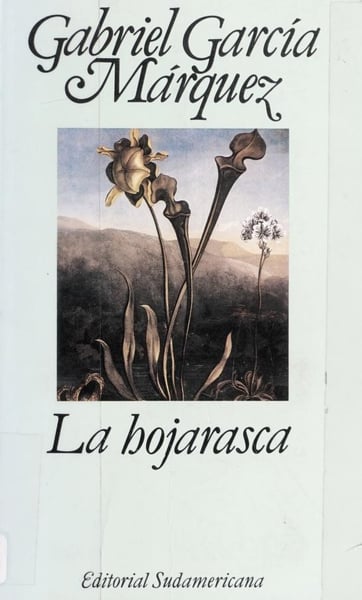
García Márquez's first novella, set in the fictional town of Macondo, recounts a family's defiant decision to bury a despised doctor against the town's wishes, told through three monologues. It introduces the setting and themes later expanded in One Hundred Years of Solitude.
Gabriel Garcia Marquez · Fiction, Magic realism, Retired military personnel
A spare, restrained novella about an impoverished retired colonel who waits each week for a pension letter that never arrives, clinging to his late son's fighting cock. It depicts dignity and hope amid poverty during Colombia's era of political violence.
Gabriel Garcia Marquez · Fiction, Magic realism (Literature), Civil conflict
Set in a tense Colombian town where anonymous slanderous posters expose residents' secrets and ignite violence, prompting the mayor to impose martial law. The novel examines fear, repression, and political corruption during La Violencia.
Gabriel Garcia Marquez · Magic realism, Macondo (Imaginary place), Latin American fiction
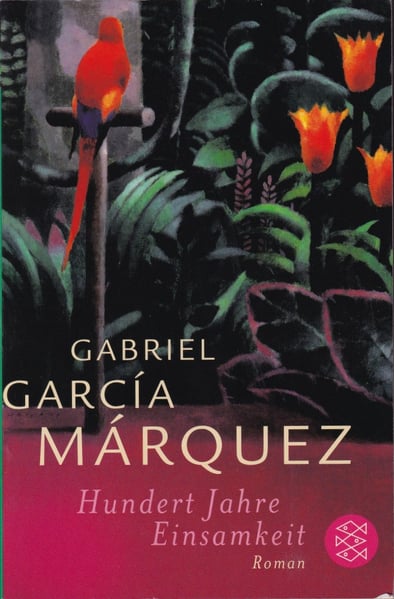
Chronicling seven generations of the Buendía family in the town of Macondo, this defining work of magical realism blends myth, history, and the cyclical solitude of its characters. It is among the most translated and widely read works in the Spanish language.
Gabriel Garcia Marquez · Fiction, Dictators, Latin American fiction
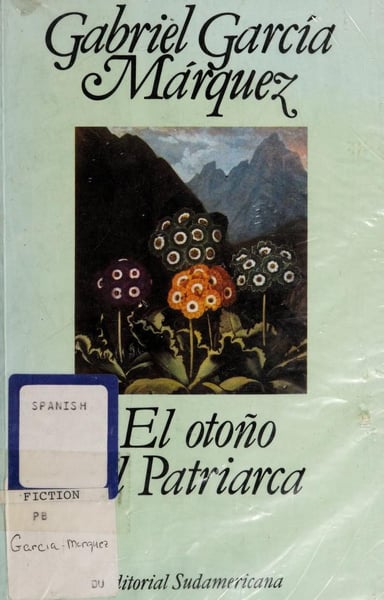
An experimental novel built from long, winding sentences that circle the life and death of an archetypal Caribbean dictator. It explores the corruption, isolation, and decay of absolute power raised to mythic scale.
Gabriel Garcia Marquez · Death in fiction, Honor, Murder
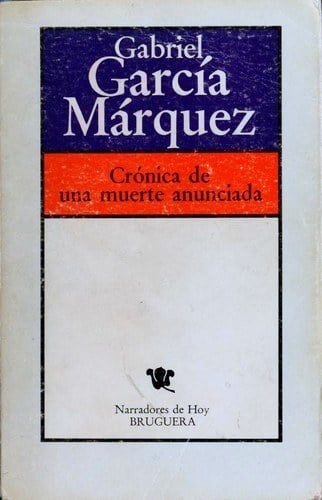
Reconstructed years later by a narrator, the novella traces a killing that the whole town foresaw yet failed to prevent, after twin brothers avenge their sister's lost honor. It probes fate, collective complicity, and codes of honor.
Gabriel Garcia Marquez · Love stories, Courtship, Unrequited love
Spanning over fifty years in a Caribbean port, the novel follows Florentino Ariza's lifelong devotion to Fermina Daza, who marries a respected physician instead. It meditates on love, aging, and constancy in their many forms.
Gabriel Garcia Marquez · Heads of state, Politicians, South American fiction
A historical novel imagining the final months of Simón Bolívar as he travels the Magdalena River, ill and disillusioned after the failure of his dream of a united Latin America. It reframes the liberator as a fallible, mortal man.
Gabriel Garcia Marquez · Man-woman relationshipsBook
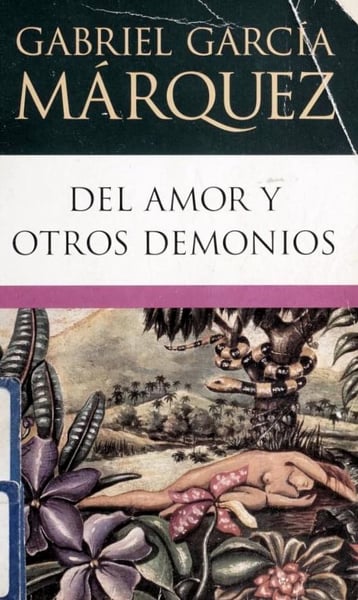
Gabriel Garcia Marquez · Man-woman relationships, Exorcism, Demoniac possession
In a colonial Caribbean city, a young marquis's daughter bitten by a rabid dog is presumed possessed and confined to a convent, where the priest sent to exorcise her falls in love with her. It explores love, faith, superstition, and intolerance.
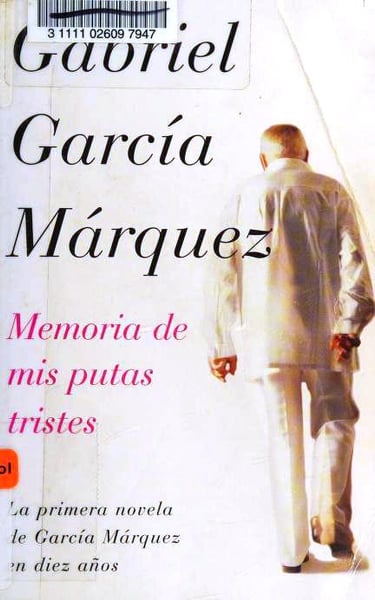
Gabriel Garcia Marquez · Older men, Aging, Prostitutes
García Márquez's final novel follows a solitary ninety-year-old journalist who, on his birthday, falls in love for the first time with a sleeping adolescent girl. It reflects on aging, desire, and belated love.



No comments yet — be the first.