10 essential works from the Nobel laureate who redefined modern prose
CE
Caleido Editorial TeamJune 1, 202620 min read0 views
Ernest Hemingway (1899-1961) stripped prose down to its bones and in doing so changed the sound of English literature forever. His 'iceberg theory' of writing — showing only the surface while the deeper meaning lurks beneath — influenced every generation of writers that followed. War correspondent, big game hunter, deep-sea fisherman, bullfight aficionado, and Nobel Prize winner, Hemingway lived a life as outsized as his literary reputation.
Hidden Gems & Little-Known Facts
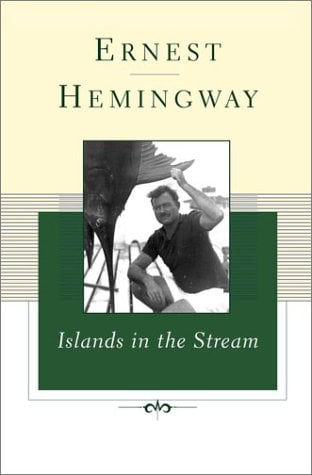
While The Old Man and the Sea and A Farewell to Arms are his most famous works, several posthumous publications reveal extraordinary dimensions of Hemingway's art. A Moveable Feast (1964), his memoir of 1920s Paris, is a luminous, bittersweet portrait of his years among the Lost Generation — Gertrude Stein, F. Scott Fitzgerald, Ezra Pound, and the cafes where modernism was forged. Many consider it his most beautiful prose. The Garden of Eden (1986), published 25 years after his death, is his most controversial and surprising novel — an exploration of gender fluidity, sexual identity, and creative destruction that stunned readers who expected macho simplicity. Islands in the Stream (1970), an unfinished novel published posthumously, contains the devastating 'Bimini' section that many critics consider among his finest writing.
Hemingway won the Nobel Prize in Literature in 1954, the same year he survived two plane crashes in two consecutive days in Uganda — newspapers around the world published his obituary prematurely, and Hemingway reportedly enjoyed reading his own death notices over breakfast. He served as an ambulance driver in World War I and was seriously wounded at age 18, an experience that shaped A Farewell to Arms. His first novel, The Sun Also Rises, was written in just six weeks. His minimalist style, which he called the 'iceberg theory,' was influenced by his early career as a newspaper reporter at the Kansas City Star, whose style guide demanded short sentences, short paragraphs, and active verbs.
Ernest Hemingway · American fiction, Lost Generation, Expatriates
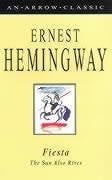
Hemingway's first major novel follows a group of disillusioned American and British expatriates who travel from Paris to Pamplona for the running of the bulls. It defined the post-WWI 'Lost Generation' and exemplified his spare prose style.
Ernest Hemingway · World War I, War fiction, Love stories
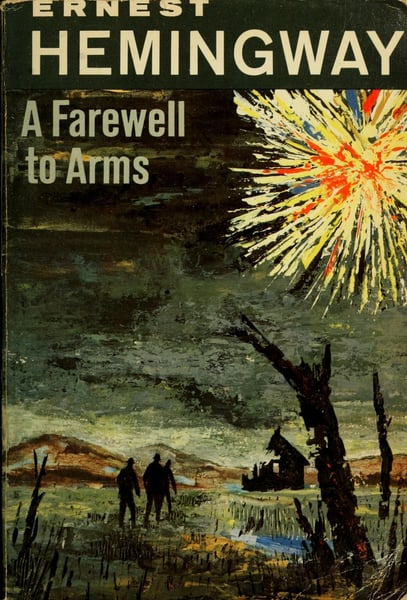
Set on the Italian front during World War I, the novel traces the romance between an American ambulance driver and an English nurse against the backdrop of war and retreat. It is a landmark of war literature and Hemingway's understated style.
Ernest Hemingway · Bullfighting, Spain, Nonfiction
A nonfiction study of Spanish bullfighting examined as ritual, art, and a meditation on courage and death. Hemingway treats the corrida as a lens on ceremony, fear, and grace under pressure.
Ernest Hemingway · Smuggling, American fiction, Caribbean
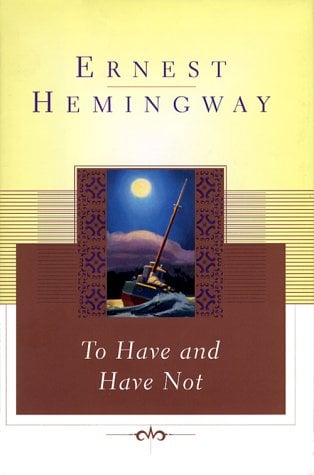
Set between Cuba and Florida during the Depression, the novel follows fishing-boat captain Harry Morgan, who turns to smuggling to survive. It is Hemingway's only novel set largely in the United States and contrasts the 'haves' and 'have-nots.'
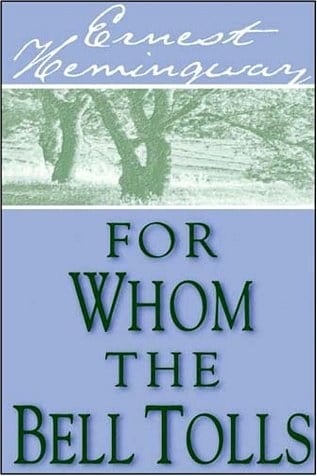
Ernest Hemingway · Spanish Civil War, War fiction, Spain
During the Spanish Civil War, an American dynamiter named Robert Jordan joins a Republican guerrilla band to blow up a bridge. The novel explores duty, sacrifice, love, and mortality, taking its title from John Donne.
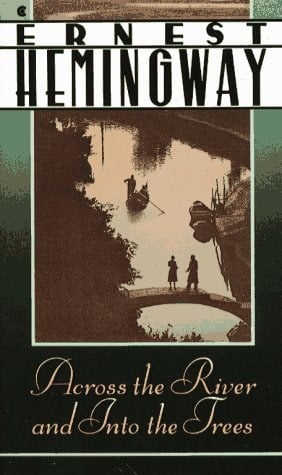
Ernest Hemingway · World War II, Venice, American fiction
An aging American colonel revisits Venice after World War II, reflecting on war, mortality, and a late love affair with a young Italian noblewoman. The novel is a meditation on memory and the approach of death.
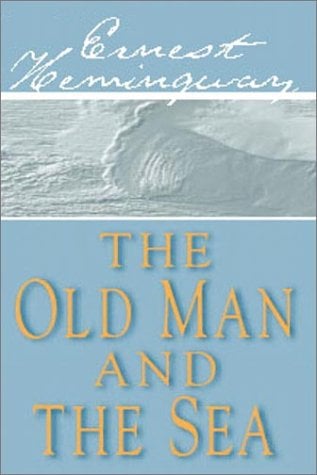
Ernest Hemingway · Fishing, Cuba, American fiction
An aging Cuban fisherman, Santiago, battles a giant marlin far out in the Gulf Stream in a test of endurance and dignity. The novella won the Pulitzer Prize and figured in Hemingway's 1954 Nobel Prize.
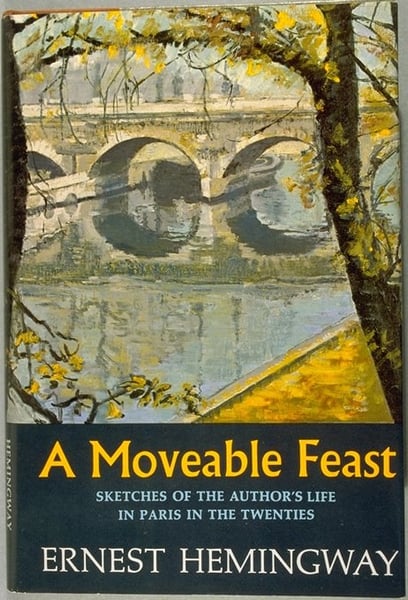
Ernest Hemingway · Memoirs, Paris, Authors, American
A posthumously published memoir of Hemingway's years as a young writer in 1920s Paris, with portraits of figures such as Gertrude Stein, F. Scott Fitzgerald, and Ezra Pound. It evokes the expatriate literary world of the era.
Ernest Hemingway · American fiction, Caribbean, World War II
A posthumously published novel in three parts following painter Thomas Hudson from the Bahamas through wartime Cuba to hunting German submarines in the Gulf Stream. It examines loss, fatherhood, and solitude.
Ernest Hemingway · American fiction, Marriage, Riviera
A posthumously published novel about a young American writer and his wife honeymooning on the French Riviera, whose relationship unravels amid shifting identities and a love triangle. It explores gender, jealousy, and creativity.
No comments yet — be the first.