Caleido Editorial TeamJune 1, 202618 min read0 views
Hermann Hesse (1877-1962) was a German-Swiss novelist, poet, and painter whose work explores the individual's search for authenticity, self-knowledge, and spiritual fulfillment. Born in Calw, Germany, into a family of Protestant missionaries, he rebelled against conventional education and religious orthodoxy to become one of the most widely read European authors of the twentieth century, winning the Nobel Prize in Literature in 1946.
Hidden Gems & Little-Known Facts
While Siddhartha (1922) and Steppenwolf (1927) are his most famous novels, several lesser-known works reveal different facets of his artistry. Narcissus and Goldmund (1930) is widely considered his most beautifully written novel — a medieval tale of two friends representing the opposing poles of intellect and art, asceticism and sensuality, that many readers find more emotionally satisfying than any of his better-known works. Peter Camenzind (1904), his debut novel about a young man from a Swiss mountain village who pursues a literary life, was the book that made him famous overnight and established the template for his lifelong theme of the outsider's quest. The Journey to the East (1932), a short, enigmatic novella about a mysterious pilgrimage, is his most mystical and deeply personal work — a meditation on faith, community, and the failure of the artist that directly prefigures The Glass Bead Game.
Hesse became a countercultural icon in the 1960s when American college students discovered Siddhartha and Steppenwolf, which became essential reading for the hippie generation — Timothy Leary called Hesse a 'spiritual guide.' He was a committed pacifist who publicly opposed World War I, earning him denunciation as a traitor in Germany and prompting his move to Switzerland, where he became a citizen in 1924. Throughout his life, Hesse painted over 3,000 watercolors, many of which illustrate the landscapes of southern Switzerland. He underwent Jungian psychoanalysis, and the influence of Carl Jung permeates his major novels from Demian onward.
Hermann Hesse · German literature, Innocence (Psychology), Fiction
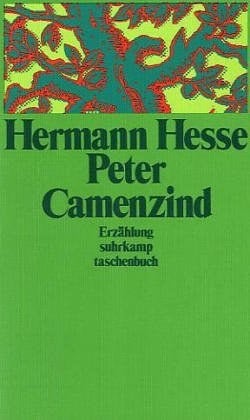
Hesse's first major novel traces a young man from a Swiss mountain village who leaves for the city seeking artistic and worldly fulfillment, only to return disillusioned to nature and simplicity. It explores alienation, friendship, and the Romantic search for an authentic life.
Hermann Hesse · Fiction, Child psychopathology, Gifted children
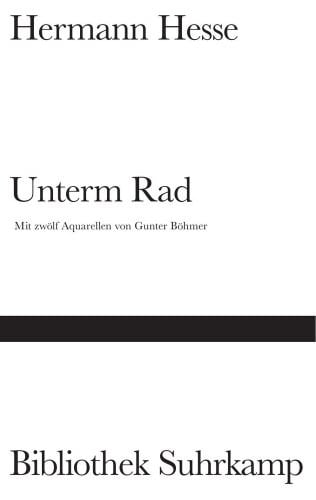
A semi-autobiographical novel about a gifted boy crushed by the rigid demands of a German theological school and a joyless educational system. It is a sharp critique of institutional pressure and the destruction of individuality in youth.
Hermann Hesse · German literature, Fiction, Composers
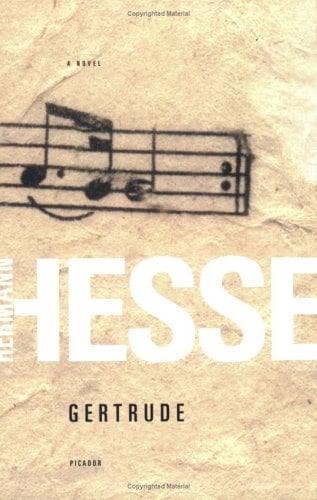
Narrated by a disabled composer, this novel follows his unrequited love for Gertrude and his complex bond with a charismatic singer whose troubled marriage to her fuels his art. It examines creativity, loneliness, and the consolations of music.
Hermann Hesse · Artists, Fiction, Continental european fiction
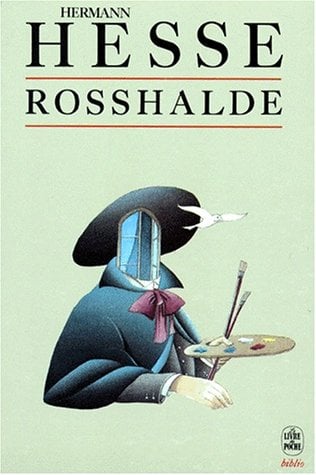
A successful painter lives in an emotionally dead marriage, finding meaning only in his young son. The novel probes the tension between artistic vocation and domestic life, drawing on Hesse's own marital crisis.
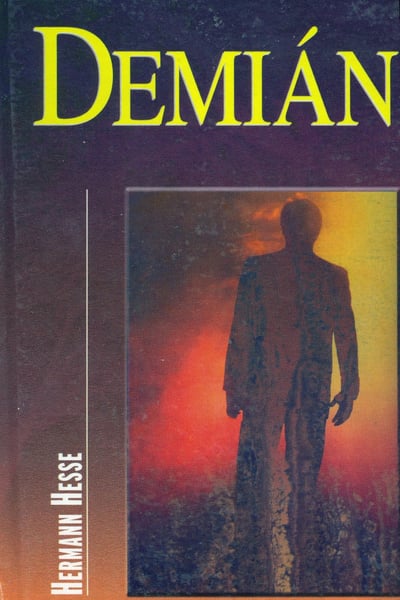
Hermann Hesse · Bildungsromans, Fiction, German fiction
Emil Sinclair's coming-of-age is shaped by his enigmatic friend Max Demian, who guides him beyond conventional morality toward self-knowledge. Steeped in Jungian and Gnostic ideas, it became a defining novel of post-WWI youth.
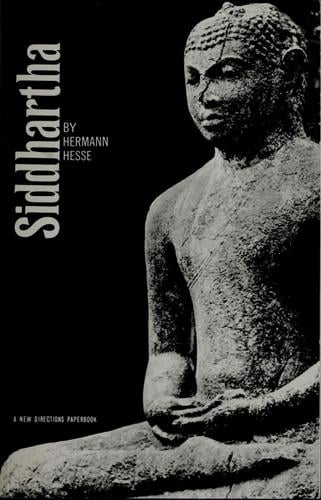
Hermann Hesse · Buddhism, Enlightenment (Buddhism), Spiritual life
Set in the time of the Buddha, the novel follows a Brahmin's son through asceticism, sensual indulgence, and worldly wealth toward a self-attained enlightenment by a river. It is a lyrical meditation on the individual search for wisdom.
Hermann Hesse · Fiction, Psychological fiction, German fiction
Harry Haller, a tormented intellectual who feels split between man and wolf, is drawn through a surreal 'Magic Theater' toward self-acceptance. The novel confronts isolation, bourgeois society, and the fragmented modern self.
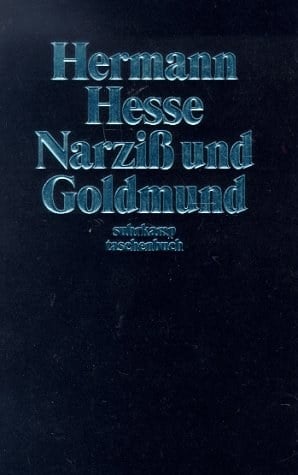
Hermann Hesse · German fiction, Friendship, Middle Ages
Set in medieval Germany, the novel contrasts the ascetic, intellectual monk Narcissus with his wandering, sensual friend Goldmund. It dramatizes the enduring tension between spirit and flesh, contemplation and lived experience.
Hermann Hesse · German fiction, Philosophy, Pilgrims and pilgrimages
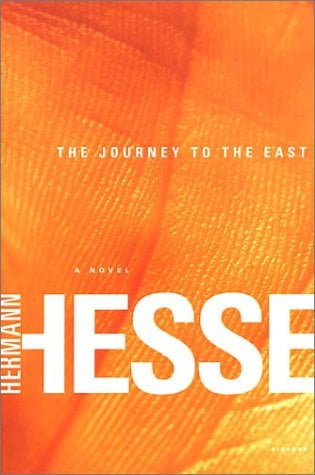
An allegorical tale of a narrator's membership in a timeless secret 'League' and its symbolic pilgrimage to the East, and his crisis of faith after losing touch with it. It reflects on devotion, service, and the bond between art and the spirit.
Hermann Hesse · Philosophical fiction, Scholars, Spiritual formation
Hesse's final and most ambitious novel depicts the future intellectual province of Castalia and the life of Joseph Knecht, master of the abstract Glass Bead Game, who comes to doubt the worth of a life sealed off from the world. It crowned the work cited for his 1946 Nobel Prize.
No comments yet — be the first.