8 masterworks from the titan of French Romanticism
CE
Caleido Editorial TeamJune 1, 202620 min read0 views
Victor Hugo (1802-1885) was the towering figure of nineteenth-century French literature — poet, novelist, dramatist, and political visionary. His novels combined epic storytelling with fierce social conscience, giving voice to the poor, the condemned, and the outcast. From the gargoyle-haunted towers of Notre-Dame to the barricades of revolutionary Paris, Hugo created worlds of astonishing scope that continue to resonate across cultures and centuries.
Hidden Gems & Little-Known Facts
While Les Miserables and The Hunchback of Notre-Dame are universally known, several of Hugo's works deserve far wider readership. The Man Who Laughs (1869) tells the story of Gwynplaine, a boy whose face is carved into a permanent grin — this novel directly inspired the creation of the Joker in Batman comics, with Bob Kane and Bill Finger citing the 1928 film adaptation as their visual source. The Toilers of the Sea (1866) is an epic of man versus nature set in the Channel Islands, a forgotten masterpiece that Victor Hugo himself considered his finest work. Claude Gueux (1834), a short novel based on a real criminal case, became a powerful argument against capital punishment and helped fuel the movement to abolish the death penalty in France.
Hugo was exiled from France for 19 years for his outspoken opposition to Napoleon III, living on the Channel Islands of Jersey and Guernsey. When he finally died in 1885, his funeral procession drew an estimated two million mourners — the largest in French history. He wrote standing up at a specially designed elevated desk. Beyond his literary genius, Hugo was also a prolific visual artist who produced over 4,000 drawings and paintings, many of them strikingly modern in style, using techniques like coffee stains, soot, and charcoal that anticipated abstract expressionism.
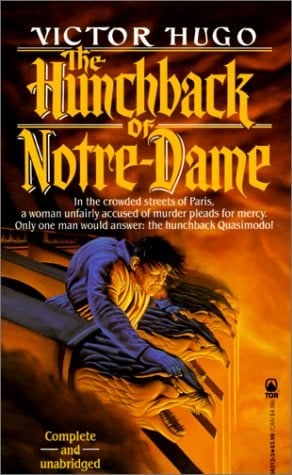
Hugo's 1831 novel set in 15th-century Paris follows the deformed bell-ringer Quasimodo, the archdeacon Frollo, and the Roma dancer Esmeralda around the cathedral of Notre-Dame. It explores fate, social outcasts, and the value of Gothic architecture, and helped spark its preservation.
Victor Hugo · French fiction, Capital punishment, Prisoners
A first-person account of the final hours of a man awaiting execution, Hugo's 1829 short novel withholds the prisoner's name and crime to focus on the universal anguish of the condemned. It stands as a foundational literary argument against the death penalty.
Victor Hugo · French fiction, Capital punishment, Crime
Based on a real criminal case, Hugo's 1834 short story recounts how poverty and an unjust prison system drive Claude Gueux to murder and the guillotine. An early indictment of social inequality and capital punishment, it anticipates the themes of Les Misérables.
Hugo's sweeping 1862 novel traces the ex-convict Jean Valjean's pursuit of redemption while hunted by the relentless inspector Javert, against a backdrop of poverty, justice, and the 1832 Paris uprising. It is a landmark of 19th-century social fiction.
Victor Hugo · French literature, Sea stories, Fate and fatalism
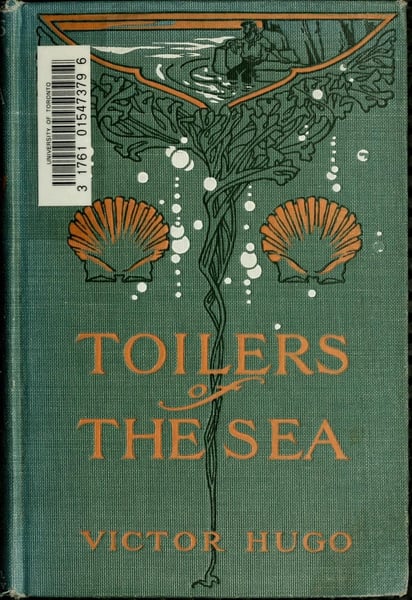
Set in the Channel Islands, Hugo's 1866 novel follows the Guernsey fisherman Gilliatt, who battles the sea, a storm, and a giant octopus to salvage a wrecked ship's engine and win a woman's hand. It dramatizes humanity's struggle against the forces of nature.
Victor Hugo · French fiction, Historical fiction, Fiction
Hugo's 1869 novel follows Gwynplaine, a man whose face was mutilated into a permanent grin in childhood, as he moves between traveling performers and the aristocracy in 17th-century England. It satirizes class injustice and the cruelty behind appearances.
Victor Hugo · Historical fiction, France history: Revolution (1789-1799), The Reign of Terror
Hugo's final novel, published in 1874, is set during the 1793 Terror and the royalist revolt in the Vendée. Through opposing figures torn between duty and mercy, it weighs revolutionary ideals against humanity in a time of civil war.
A cycle of epic poems published in installments from 1859, Hugo's work portrays the moral and spiritual progress of humanity across history, from biblical times to the modern age. It is regarded as a major achievement of French epic poetry.



No comments yet — be the first.