30 essential works from a thousand years of Japanese literary tradition
CE
Caleido Editorial TeamJune 1, 202625 min read0 views
Japanese literature is one of the world's oldest and most refined literary traditions, stretching from Murasaki Shikibu's eleventh-century Tale of Genji — often called the world's first novel — to the contemporary global phenomenon of Haruki Murakami. Japanese writers have a unique gift for capturing the beauty in impermanence, the weight of silence, and the tension between tradition and modernity.
These 30 essential works span masters of different eras: the elegant prose of Kawabata, the tortured intensity of Mishima, the psychological depth of Soseki, the dark confessional mode of Dazai, and the surreal landscapes of Murakami. Together, they offer an extraordinary window into Japanese culture and the universal human experience.
Use the checklist below to track your journey through Japanese literature.
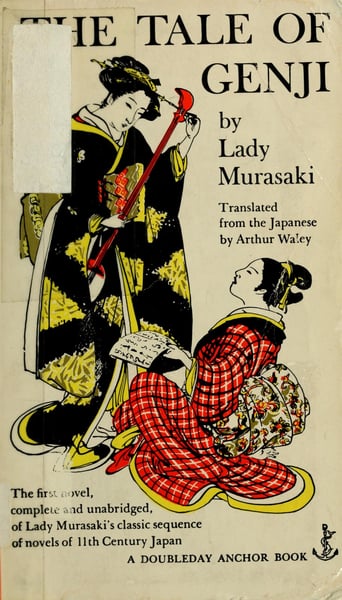
Murasaki Shikibu · Japanese fiction, Heian period, Court life
Written by a Heian-court lady-in-waiting around 1000–1021, this sprawling chronicle of Prince Genji's loves and the courtiers who follow him is often called the world's first novel and the foundational classic of Japanese literature.
Natsume Sōseki · Japanese fiction, Satire, Meiji period
Narrated by a disdainful, nameless house cat observing his schoolteacher owner and his circle, Sōseki's satirical novel mocks the pretensions of middle-class intellectuals in Meiji-era Japan as the country absorbed Western ideas.
Natsume Sōseki · Japanese fiction, Teachers, Satire
A blunt, impulsive young man from Tokyo takes a teaching post at a provincial middle school, where he clashes with hypocritical colleagues. Sōseki's comic novel is among the most widely read works in modern Japanese literature.
Natsume Sōseki · Japanese fiction, Friendship, Meiji period
A young man befriends an aloof older 'Sensei' whose long confessional letter reveals a betrayal and guilt rooted in the passing Meiji era. Sōseki's novel examines loneliness, conscience, and the transition to modern Japan.
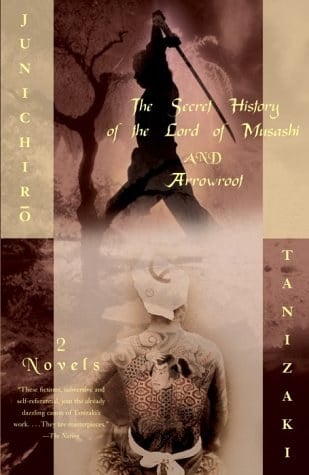
Jun'ichirō Tanizaki · Japanese fiction, Marriage, Tradition and modernity
A husband and wife drift toward an unspoken divorce while Japan itself is pulled between Western modernity and classical tradition. Tanizaki frames their quiet marital crisis against the seductive pull of old Osaka culture.
Jun'ichirō Tanizaki · Japanese aesthetics, Essays, Architecture
Tanizaki's essay contrasts Japanese and Western sensibilities, arguing that traditional Japanese beauty lives in shadow, subtlety, and patina rather than the bright clarity prized by modern Western design.
Osamu Dazai · Fiction, Near and far eastern fiction (fictional works by one author), Social classes
This powerful novel of a nation in social and moral crisis was first published by New Directions in 1956. Set in the early postwar years, it probes the destructive effectives of war and the translation from a feudal Japan to an industrial society. Ozamu Dazzi died, a suicide, in 1948. But the influence of his book had made "people of the setting sun" a permanent part of the Japanese language, a...
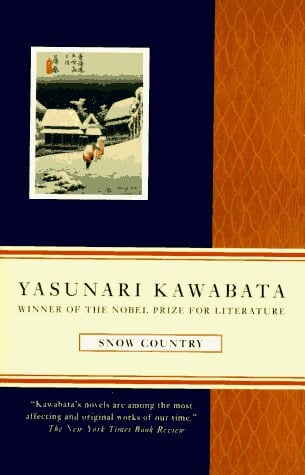
Yasunari Kawabata · Japanese fiction, Geishas, Hot springs
A wealthy Tokyo dilettante carries on a doomed affair with a provincial geisha at a remote hot-spring resort. One of the novels cited for Kawabata's Nobel Prize, it renders fleeting beauty and emotional futility in spare prose.
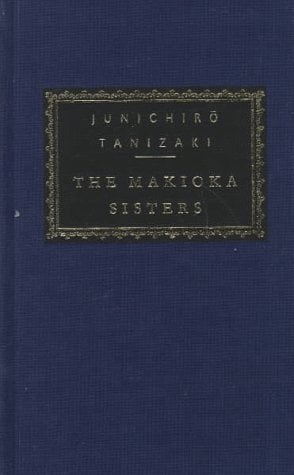
Jun'ichirō Tanizaki · Japanese fiction, Family, Osaka
Tanizaki traces four sisters of a declining Osaka merchant family and their efforts to arrange a marriage in the years before World War II, a nostalgic portrait of a vanishing upper-class way of life.
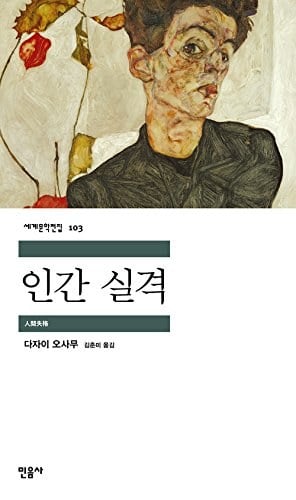
Osamu Dazai · Japanese fiction, Alienation, Autobiographical fiction
Presented as the notebooks of Ōba Yōzō, Dazai's novel follows a man unable to connect with others as he descends through alienation, drink, and self-destruction—a defining work of postwar Japanese literature.
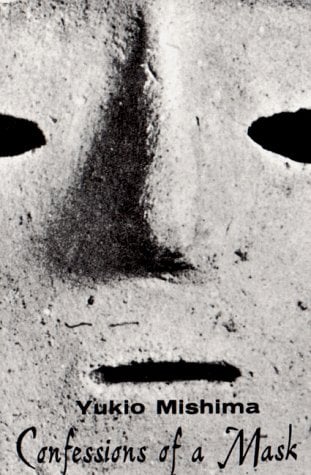
Yukio Mishima · Japanese Fiction, Gay men, Translations from Japanese
Yukio Mishima's second novel, narrated by a young man who conceals his homosexual desires behind a socially acceptable 'mask,' exploring alienation, repression, and the conflict between authentic self and social performance in wartime and postwar Japan.
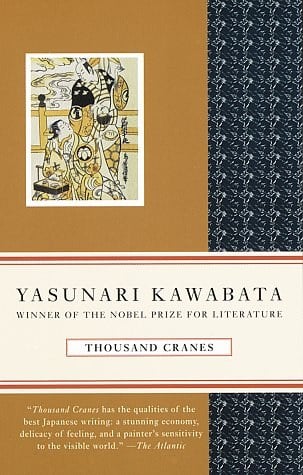
Yasunari Kawabata · Fiction, Japan, fiction, Japanese tea ceremony
Kawabata's novel set against the rituals of the Japanese tea ceremony, following a young man entangled with his late father's former mistresses, examining beauty, guilt, inheritance, and the tension between tradition and desire.
Yasunari Kawabata · Fiction, Japan -- Fiction, Old age
Kawabata's novel about an aging Tokyo businessman, Shingo, who hears an ominous 'sound of the mountain' as a premonition of death, observing his family's quiet disintegration and his tender feelings toward his daughter-in-law.
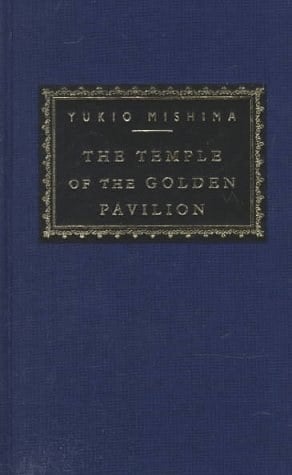
Yukio Mishima · Japanese fiction, Translations into English, Fiction
Mishima's novel, based on a real 1950 event, in which a troubled young acolyte becomes obsessed with the beauty of Kyoto's Golden Pavilion and is ultimately driven to destroy it, probing beauty, obsession, and self-annihilation.
Abe's existentialist novel in which an amateur entomologist is trapped in a sand pit with a widow and forced into endless labor, an allegory of freedom, futility, and the human condition often compared to the myth of Sisyphus.
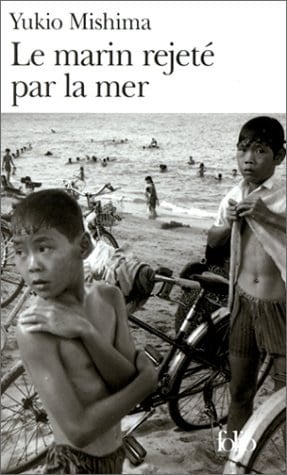
Yukio Mishima · Japanese fiction, Teenage boys, Japanese psychological fiction
Mishima's novel about a widow's love affair with a sailor and her adolescent son's gang, who, having idealized the seaman as a hero, condemn his domestication and turn to brutal violence, exploring honor, disillusionment, and cruelty.
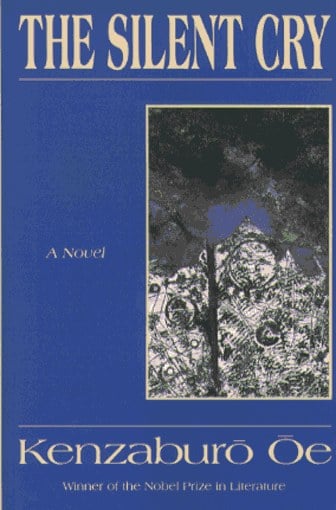
Kenzaburō Ōe · Japanese fiction, Fathers and sons, Brain-damaged children
Ōe's semi-autobiographical novel in which a young man called Bird must decide whether to accept his brain-damaged newborn, confronting escapism, responsibility, and the choice between flight and embracing a difficult reality.
Kenzaburō Ōe · Fiction, family life, Brothers, fiction, Japan, fiction
Ōe's novel following two brothers who return to their ancestral village in Shikoku, where past and present uprisings intertwine, examining memory, complicity, violence, and the burden of family and national history.
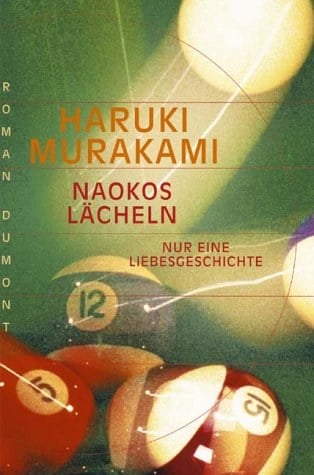
Haruki Murakami · College students, Man-woman relationships, Japanese fiction
Murakami's coming-of-age novel set in 1960s Tokyo, in which student Toru Watanabe recalls his love for the fragile Naoko and the lively Midori, dwelling on loss, grief, mental illness, and the pains of young adulthood.
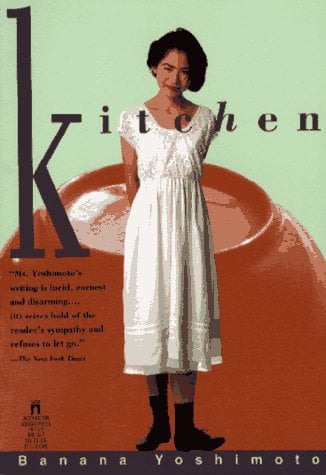
Banana Yoshimoto · Fiction, Kitchens, Japanese fiction
Yoshimoto's debut, pairing the title novella with a companion story, follows a young woman who finds solace in kitchens after her grandmother's death, exploring grief, makeshift family, and healing in contemporary urban Japan.
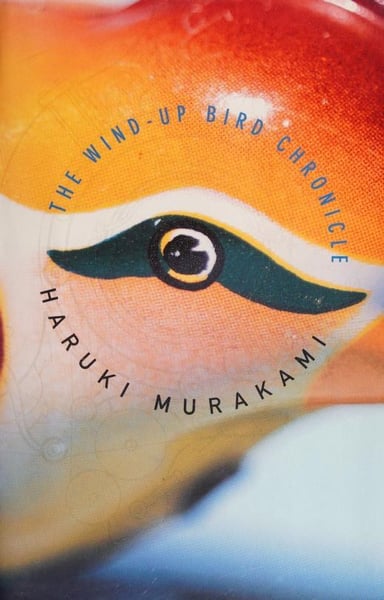
Haruki Murakami · Japanese fiction, Magic realism (Literature), Married people
Murakami's sprawling novel follows Toru Okada's search for his missing wife and cat in suburban Tokyo, descending into a surreal landscape that interweaves dreams, wartime Manchurian history, and Japan's buried national trauma.
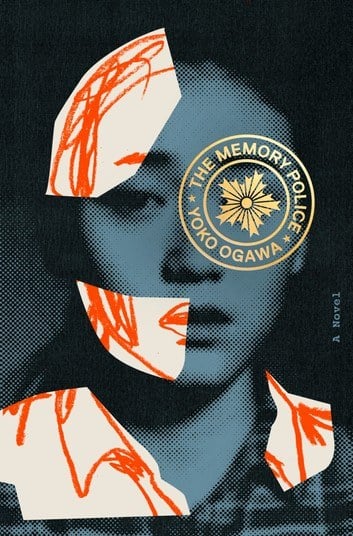
On an unnamed island, objects and the memories attached to them vanish at the command of the Memory Police, who hunt those who still remember. Ogawa's quietly dystopian novel meditates on loss, surveillance, and what remains of identity as memory erodes.
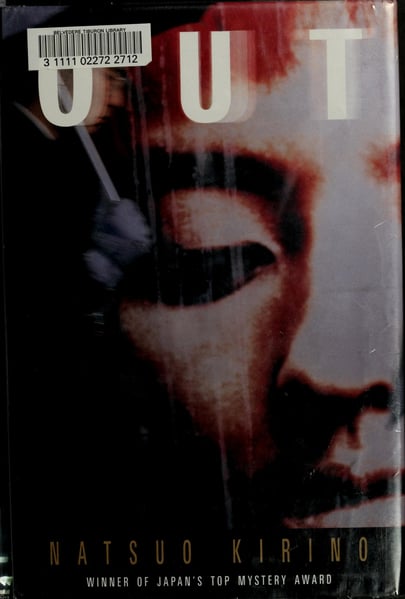
Natsuo Kirino · Japanese fiction, Crime fiction, Detective and mystery stories
Four women working the night shift at a Tokyo boxed-lunch factory become entangled in covering up a murder, a crime that spirals into a dark exploration of labor, gender, and violence in contemporary Japanese society.
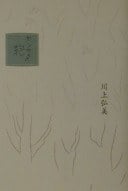
Hiromi Kawakami · Japanese fiction, Middle-aged women, Teacher-student relationships
Also published as The Briefcase, Kawakami's novel traces the slow, tender bond between Tsukiko, a solitary woman in her late thirties, and her former high-school teacher, as chance meetings in a Tokyo bar deepen into an unconventional companionship across the seasons.
Haruki Murakami · Japanese fiction, Magic realism (Literature), Runaway teenagers
Murakami interweaves the journeys of a runaway teenage boy fleeing an Oedipal prophecy and an elderly man who can speak with cats, blending myth, dream, and reality into a meditation on fate, memory, and the unconscious.
At the secluded English boarding school Hailsham, Kathy, Ruth, and Tommy come of age before confronting the purpose for which they were created. Ishiguro's restrained dystopia examines mortality, memory, and what it means to be human.
Sayaka Murata · Japanese fiction, Conformity, Convenience stores
Keiko Furukura has worked at the same Tokyo convenience store for eighteen years, finding order in its routines while resisting society's expectations of marriage and career. Murata's sharp novella probes conformity, alienation, and the pressure to appear normal.
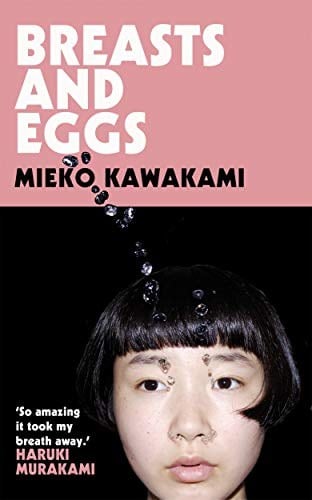
Mieko Kawakami · Japanese fiction, Women, Motherhood
Following three women across two parts, Kawakami's novel addresses the female body, reproductive autonomy, and economic precarity in contemporary Japan, centering on a writer's decision about motherhood and her sister's preoccupation with breast surgery.
Narrated by Klara, an Artificial Friend who observes the world from a store window before joining a family, Ishiguro's novel explores devotion, consciousness, and what it means to love in a society reshaped by technology and engineered inequality.
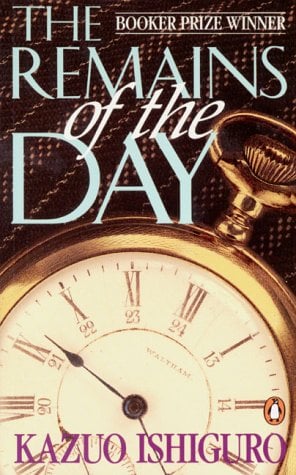
On a motoring trip through the English countryside, the aging butler Stevens reflects on his decades of service at Darlington Hall, confronting the dignity, repression, and missed chances of a life spent in unquestioning duty.











No comments yet — be the first.