6 works from the writer who reinvented the modern novel
CE
Caleido Editorial TeamJune 1, 202618 min read0 views
James Joyce (1882-1941) was an Irish writer who left his homeland at twenty-two and barely returned, yet spent his entire literary career writing about Dublin with a precision and passion unmatched in modern literature. From the crystalline short stories of Dubliners to the linguistic supernova of Finnegans Wake, Joyce pushed the boundaries of what fiction could achieve, inventing stream of consciousness, interior monologue, and narrative techniques that changed literature forever.
Hidden Gems & Little-Known Facts
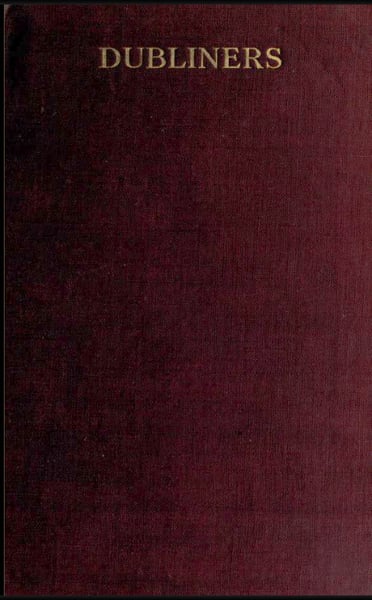
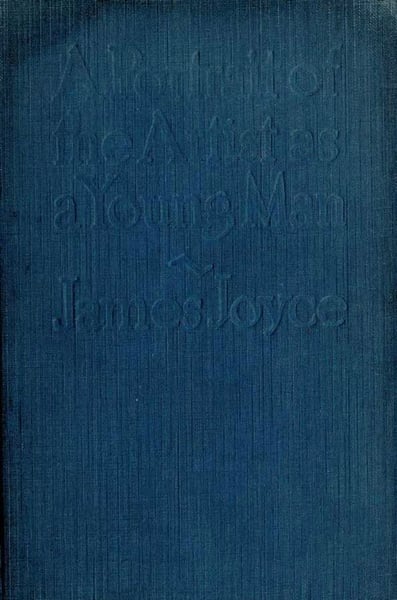
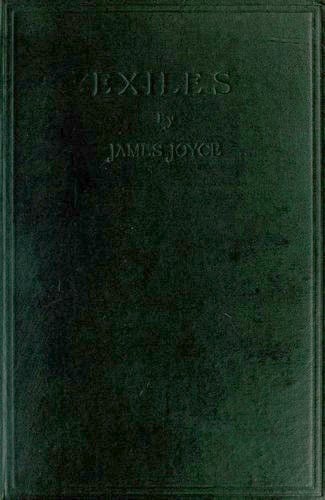
While Ulysses dominates Joyce's reputation, several works deserve attention on their own terms. Dubliners (1914) is a perfect short story collection — the final story, 'The Dead,' is considered by many critics (including those polled by The New Yorker and The Guardian) to be the greatest short story ever written in English. Exiles (1918), Joyce's only play, is rarely performed but deeply revealing of his obsessions with jealousy, betrayal, and artistic freedom. Stephen Hero (published posthumously in 1944) is an early draft of A Portrait of the Artist as a Young Man — reading both versions is a masterclass in how a genius revises, transforming sprawling autobiography into tight, lyrical art.
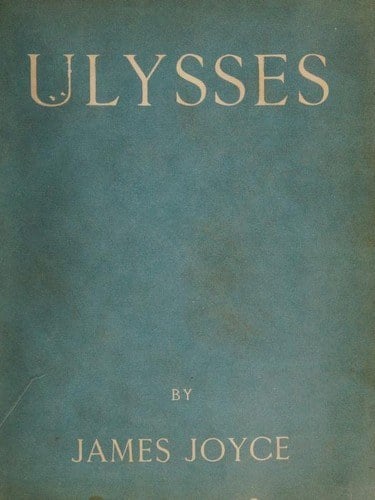
Ulysses was banned for obscenity in the United States and the United Kingdom for over a decade after its 1922 publication; the landmark US court case that lifted the ban in 1933 changed obscenity law forever. The entire novel takes place on a single day — June 16, 1904 — now celebrated worldwide as Bloomsday, with devotees retracing Leopold Bloom's steps through Dublin. Joyce suffered from terrible eyesight throughout his life, undergoing at least 25 eye operations and spending periods nearly blind. Finnegans Wake, his final novel, took 17 years to write and is composed in a dreamlike polyglot language drawing on over 60 languages simultaneously.
James Joyce · Fiction, Short stories, Irish authors
A collection of fifteen short stories portraying middle-class life in early-20th-century Dublin, moving from childhood to public life and exploring paralysis, missed opportunity, and epiphany. It closes with 'The Dead,' often regarded as one of the finest stories in English.
James Joyce · Fiction, Autobiographical fiction, Bildungsromans
A semi-autobiographical Künstlerroman tracing Stephen Dedalus's intellectual and spiritual awakening as he rejects family, nation, and religion to pursue an artistic vocation. Its evolving free-indirect style is a landmark of literary modernism.
Joyce's only surviving play, a three-act drama about a returned writer, his partner, and a friend whose intertwined relationships test fidelity, jealousy, and freedom. Influenced by Ibsen, it examines exile and self-determination in human intimacy.
James Joyce · Fiction, Stream of consciousness, Dublin (Ireland)
A modernist novel recounting a single Dublin day, June 16, 1904, through Leopold Bloom, Stephen Dedalus, and Molly Bloom, loosely paralleling Homer's Odyssey. Its stream-of-consciousness technique and stylistic experimentation reshaped 20th-century fiction.
A posthumously published fragment of an early, more naturalistic novel that Joyce later reworked into 'A Portrait of the Artist as a Young Man.' It offers a fuller, more conventional account of Stephen Dedalus's youth and intellectual development.
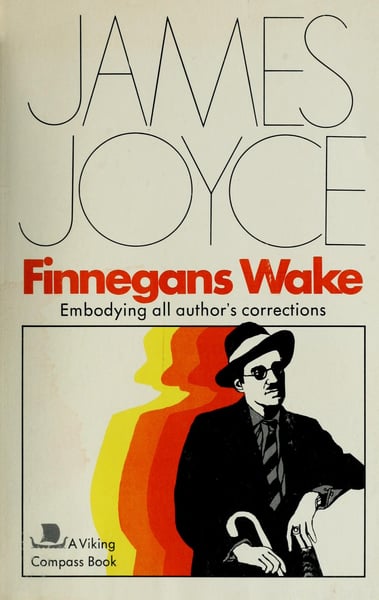
Joyce's final and most experimental work, written in a dense, multilingual dream-language of puns and portmanteaus that follows the nighttime consciousness of a Dublin family. It pushes the boundaries of narrative, language, and literary form.
No comments yet — be the first.