7 essential works from the master of modern alienation
CE
Caleido Editorial TeamJune 1, 202612 min read0 views
Franz Kafka (1883-1924) was a German-speaking Bohemian novelist and short story writer whose works — marked by surreal bureaucracies, inexplicable guilt, and protagonists trapped in nightmarish systems — have become synonymous with the anxieties of modern existence. Born into a middle-class Jewish family in Prague, Kafka spent his days as an insurance lawyer at the Workers' Accident Insurance Institute and his nights writing the fiction that would make him one of the most influential authors of the twentieth century.
Hidden Gems & Little-Known Facts
While The Metamorphosis and The Trial define Kafka in the popular imagination, several lesser-known works reveal different facets of his genius. Amerika (1927, posthumous), also known as The Man Who Disappeared, is Kafka's lightest and most humorous novel — a picaresque adventure following a young immigrant in a fantastical version of America that Kafka invented entirely from postcards and travel books, having never visited the continent. A Hunger Artist (1922) is a devastating short masterpiece about a professional faster whose art the public no longer values — widely read as Kafka's most personal allegory about the artist's relationship to society. Letter to His Father (1919), never actually sent, is the autobiographical key to Kafka's entire oeuvre: a 45-page indictment of his domineering father that illuminates the themes of authority, guilt, and inadequacy that pervade every major work.
Perhaps the most remarkable fact about Kafka is that he asked his closest friend and literary executor, Max Brod, to burn all his unpublished manuscripts after his death. Brod famously refused, preserving The Trial, The Castle, and Amerika for posterity. Kafka published very little during his lifetime — the three novels were all unfinished and published posthumously. He worked as an insurance lawyer by day, writing mostly at night, and the word 'Kafkaesque' entered the English dictionary to describe situations of surreal, oppressive absurdity. He died of tuberculosis at age 40, never knowing the magnitude of his literary legacy.
Franz Kafka · German fiction, Psychological fiction, Alienation (Social psychology)
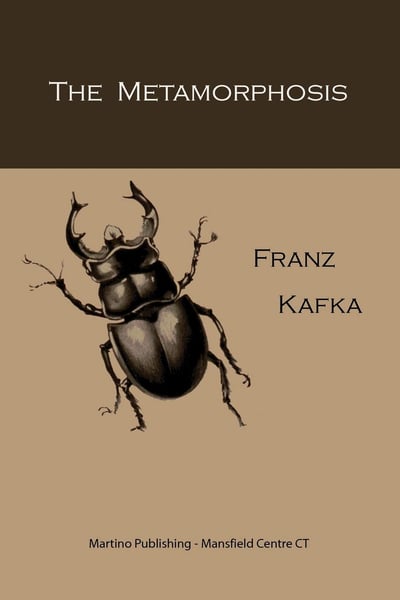
Kafka's novella opens with traveling salesman Gregor Samsa waking transformed into a monstrous insect, then traces his family's shifting response from care to revulsion. A defining work of modernist literature, it explores alienation, guilt, and the dehumanizing pressures of duty and labor.
Franz Kafka · German fiction, Short stories, Punishment
An explorer visits a remote penal colony and witnesses an officer demonstrate an elaborate execution machine that inscribes the condemned's sentence into his flesh. The story interrogates justice, authority, ritual cruelty, and the collapse of an old order's faith in its instruments of power.
Franz Kafka · Correspondence, Austrian authors, Biography
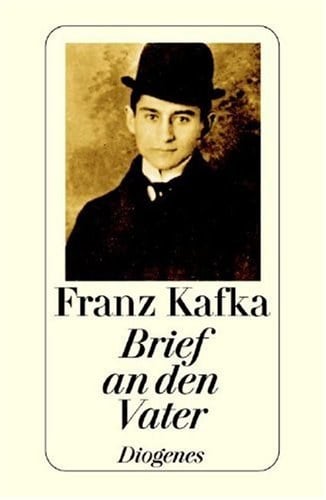
A long letter Kafka wrote to his father Hermann in 1919 but never delivered, confronting a domineering parent and the fear, inadequacy, and estrangement his upbringing instilled. It is a central biographical document illuminating the family conflict and anxiety pervading Kafka's fiction.
Franz Kafka · German fiction, Short stories, Translations into English
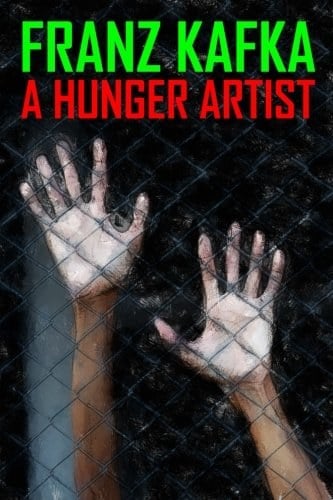
A professional faster exhibits his prolonged starvation as public spectacle, only to be forgotten as audiences lose interest, dying unappreciated in his cage. The story meditates on artistic isolation, the hunger for meaning, and the gap between the artist and an indifferent world.
Franz Kafka · German fiction, Psychological fiction, Justice
Josef K. is arrested and prosecuted by a remote, inscrutable authority without ever learning the charge against him. Published posthumously, this novel is a landmark study of bureaucratic absurdity, guilt, and the individual's helplessness before an opaque and inescapable system.
Franz Kafka · German fiction, Bureaucracy, Alienation
A land surveyor known as K. arrives in a village and struggles endlessly to gain access to the mysterious authorities of the Castle that governs it. Left unfinished, the novel dramatizes bureaucratic futility, estrangement, and the unreachable nature of meaning and belonging.
Franz Kafka · German fiction, Immigrants in fiction, Young men
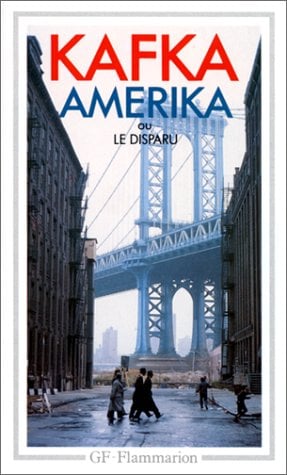
Young Karl Rossmann is sent to America after a scandal and drifts through a strange, distorted vision of the New World and its misadventures. Kafka's unfinished first novel, originally titled 'Der Verschollene,' blends comic picaresque with themes of displacement and the search for belonging.



No comments yet — be the first.