12 works from the master of surreal, jazz-infused literary fiction
CE
Caleido Editorial TeamJune 1, 202625 min read0 views
Haruki Murakami (born 1949) is Japan's most internationally celebrated living writer, whose novels blend everyday realism with dreamlike surrealism, creating worlds where cats talk, rain falls from clear skies, and ordinary people slip through cracks in reality. His distinctive voice — spare, melancholic, threaded with jazz, Western literature, and loneliness — has attracted a global readership of millions and made him a perennial favorite for the Nobel Prize in Literature.
Hidden Gems & Little-Known Facts
While Norwegian Wood and Kafka on the Shore are his most widely read novels, several earlier works reveal the evolution of his extraordinary voice. Hard-Boiled Wonderland and the End of the World (1985) is arguably his most inventive work structurally — alternating between two seemingly unrelated narratives, one a cyberpunk thriller and the other a dreamlike fable set in a walled town, that converge in ways both devastating and beautiful. A Wild Sheep Chase (1982) is where Murakami's unique voice truly crystallized, blending Raymond Chandler-style detective fiction with Japanese surrealism. After Dark (2004) is a single-night novella with a cinematic, almost surveillance-camera narrative perspective that tracks interconnected lives across nocturnal Tokyo.
Before becoming a writer, Murakami ran a jazz bar called Peter Cat in Tokyo with his wife. He decided to write his first novel while watching a baseball game — Dave Hilton of the Yakult Swallows hit a double, and in that moment Murakami felt the sudden conviction he could write a novel. He is an avid marathon runner and ultramarathon runner, documenting his running philosophy in What I Talk About When I Talk About Running. He has translated the works of Raymond Carver, F. Scott Fitzgerald, Truman Capote, and J.D. Salinger into Japanese, and these American influences permeate his own prose style. Despite being a perennial Nobel Prize favorite — his odds shorten every October — the prize has so far eluded him.
Haruki Murakami · Japanese fiction, Loneliness, College students
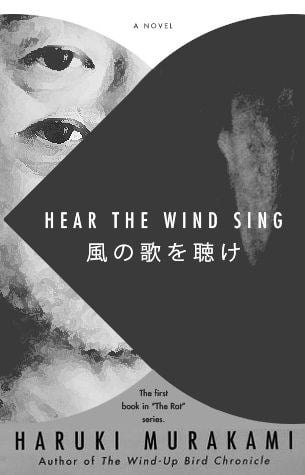
Murakami's debut novel and the first installment of the Trilogy of the Rat, following an unnamed student and his friend the Rat over a summer in 1970. Its spare, detached style established the themes of alienation and memory that define his later work.
Haruki Murakami · Japanese fiction, Fantasy fiction, Psychological fiction
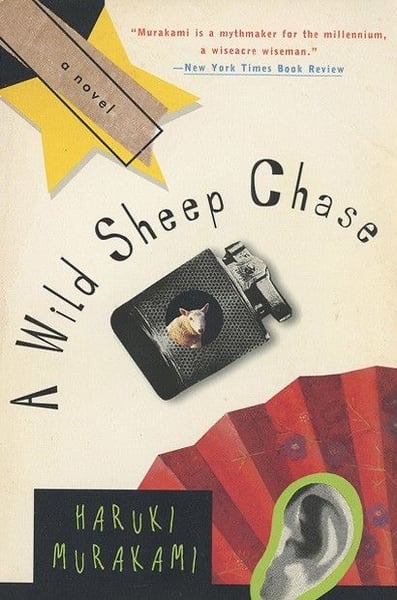
The third book of the Trilogy of the Rat, in which an advertising worker is forced into a surreal quest across Japan to find a mysterious sheep bearing a star. It blends detective-noir form with the fantastical, marking Murakami's international breakthrough.
Haruki Murakami · Fantasy fiction, Consciousness, Tokyo (Japan), fiction
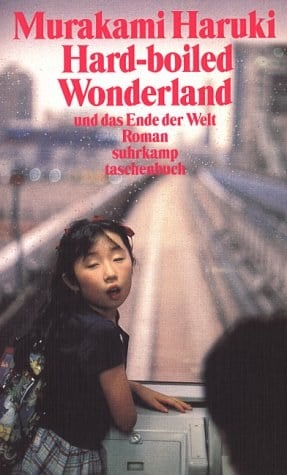
Two parallel narratives—a cyberpunk-tinged Tokyo of data warfare and a walled town where dreams are read from skulls—interlace to probe consciousness and identity. The novel won the Tanizaki Prize and exemplifies Murakami's dual-world structure.
Haruki Murakami · College students, Man-woman relationships, Love
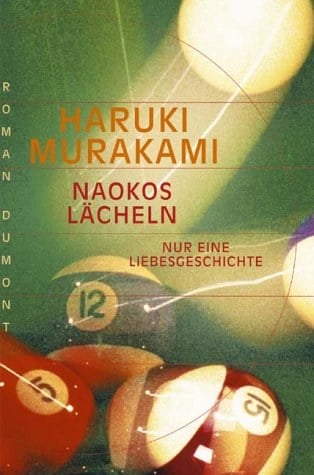
A nostalgic, largely realist novel in which Toru Watanabe recalls his student years in 1960s Tokyo and his relationships with the fragile Naoko and the vivacious Midori. Its themes of love, loss, and grief made it a cultural phenomenon in Japan.
Haruki Murakami · Japanese fiction, Magical realism, Domestic fiction
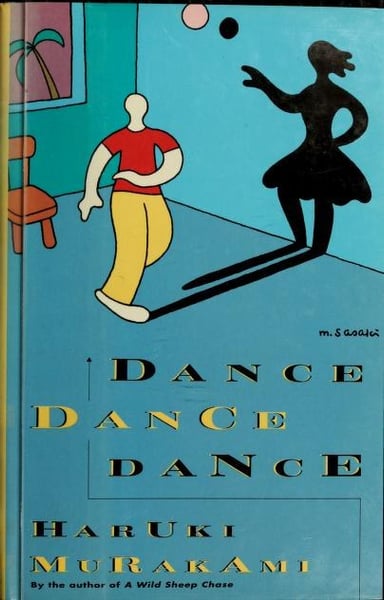
A sequel to A Wild Sheep Chase, returning the unnamed narrator to the Dolphin Hotel and the enigmatic Sheep Man as he navigates loss and a hyper-consumerist Japan. The novel weaves mystery and the supernatural into a meditation on connection.
Haruki Murakami · Literary fiction, Psychological fiction, Fate and fatalism
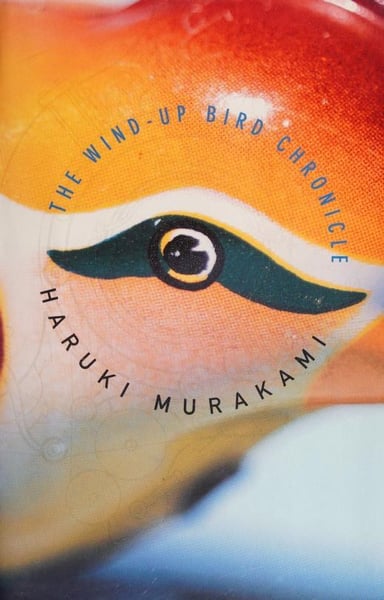
An expansive novel in which Toru Okada's search for his missing wife and cat opens into meditations on Japan's wartime history in Manchuria and the unconscious. Often considered Murakami's most ambitious work, it won the Yomiuri Literary Prize.
Haruki Murakami · Runaway teenagers, Self-actualization (Psychology), Parent and child
Two converging stories follow a teenage runaway escaping an Oedipal prophecy and an old man who can speak with cats. Drawing on myth and metaphysics, it explores fate, memory, and the porous boundary between dream and reality.
Haruki Murakami · Tokyo (Japan), fiction, Sisters, Man-woman relationships
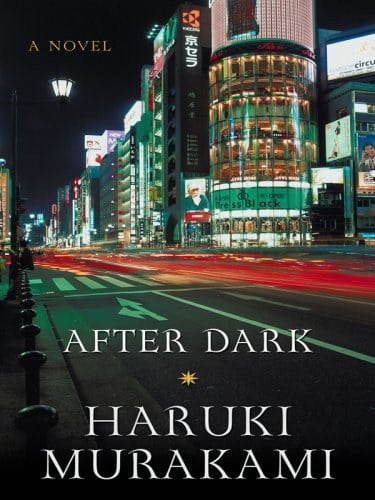
Set over a single night in Tokyo between midnight and dawn, the novel follows a young woman and the strangers she encounters while her sister lies in an unnatural sleep. It is a spare, cinematic study of nocturnal solitude and connection.
Haruki Murakami · Marathon running, Running, Japanese authors
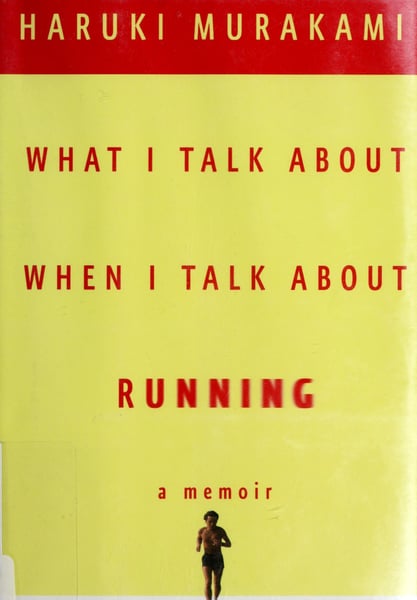
A memoir reflecting on how long-distance running has shaped Murakami's life and writing discipline, structured around his training for the 2005 New York City Marathon. It is his most direct exploration of his craft and daily practice.
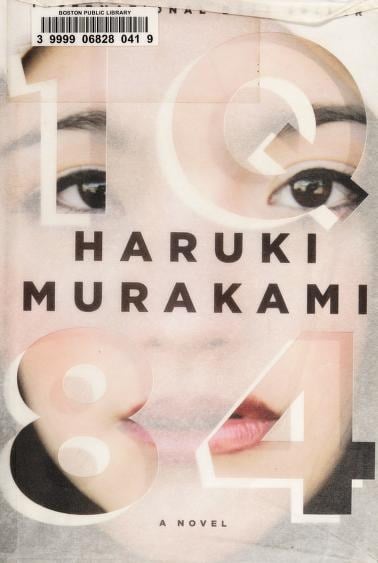
A sprawling novel set in a 1984 Tokyo subtly altered into a world with two moons, alternating between Aomame and Tengo as their fates entwine amid a cult. Its title puns on the Japanese pronunciation of 1984, echoing Orwell's dystopia.
A realist novel in which a Tokyo railway engineer revisits the unexplained severance of his four closest friends years earlier, undertaking a journey of memory and reconciliation. It explores friendship, loss, identity, and the lingering wounds of exclusion.
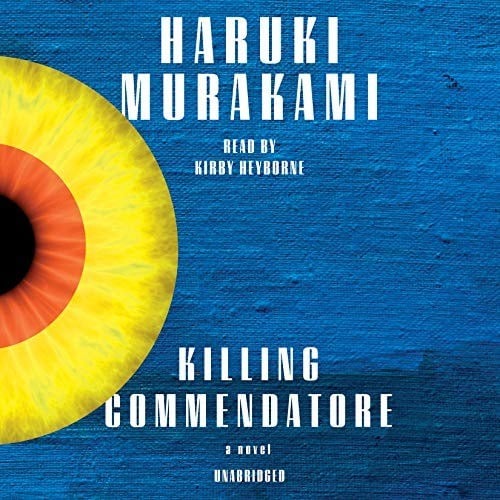
A portrait painter, retreating to a mountain home after his marriage collapses, discovers a hidden painting that opens onto a surreal world of metaphysical figures and ideas. The novel weaves art, war memory, and the uncanny in Murakami's characteristic blend of realism and fantasy.

No comments yet — be the first.