50 celebrated novels honored with America's most prestigious literary award
CE
Caleido Editorial TeamJune 1, 202635 min read0 views
The Pulitzer Prize for Fiction has been awarded since 1918, recognizing the most distinguished fiction published by an American author. Over the decades, it has honored works that capture the American experience in all its complexity — from the rural South to immigrant neighborhoods, from historical epics to intimate family portraits.
These 50 winners represent the breadth and depth of American storytelling. They include towering works by Toni Morrison, Cormac McCarthy, and John Steinbeck alongside contemporary voices like Colson Whitehead, Louise Erdrich, and Viet Thanh Nguyen.
Use the checklist below to track your journey through American literary excellence.
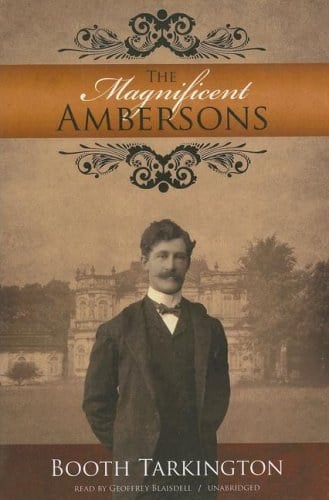
Booth Tarkington · Fiction, Children of the rich in fiction, Mothers and sons
Booth Tarkington's novel traces the decline of a wealthy Midwestern family as industrialization transforms their town, charting the spoiled heir George Amberson Minafer against the rise of a new automotive age.
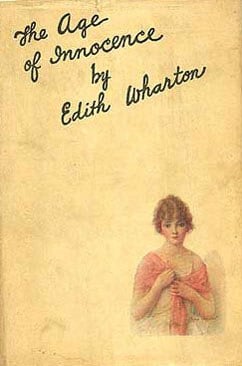
Edith Wharton · Fiction, Upper class, New York (N.Y.)
Edith Wharton's novel anatomizes the rigid conventions of 1870s upper-class New York through Newland Archer, torn between his conventional fiancee and the unconventional Countess Olenska, examining the cost of social conformity.
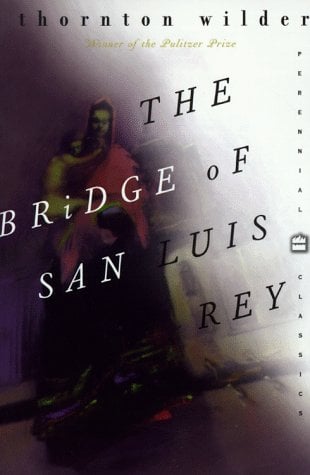
Thornton Wilder · American fiction, Accidents, Bridges
Thornton Wilder's novel investigates the lives of five people who died when a Peruvian rope bridge collapsed, as a friar seeks to discern whether their deaths reveal divine providence or random chance.
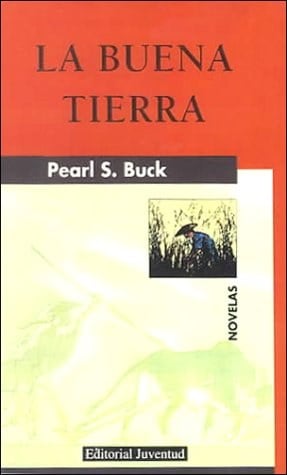
Pearl S. Buck's novel follows the farmer Wang Lung and his wife O-lan in pre-revolutionary China, tracing his rise from poverty to wealth and his enduring, almost mystical bond with the land.
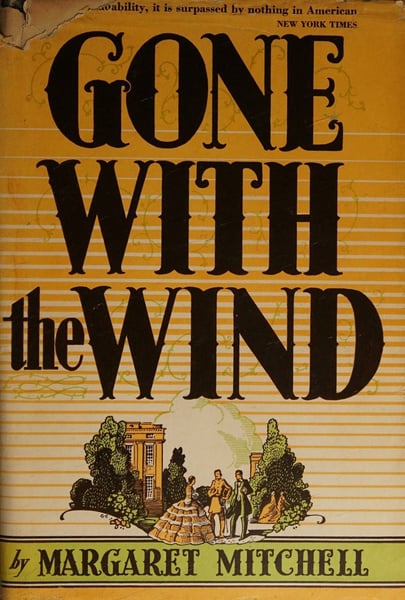
Margaret Mitchell · Historical fiction, Slavery, United States Civil War
Margaret Mitchell's epic set in Georgia during the Civil War and Reconstruction follows the willful Scarlett O'Hara as she struggles to survive the collapse of the Old South and pursues Rhett Butler.
John Steinbeck · Fiction, Migrant labor, Depressions
John Steinbeck's Depression-era novel follows the Joad family as they flee the Dust Bowl for California, depicting the hardships of migrant laborers and the resilience and solidarity of the dispossessed.
Ernest Hemingway's novella recounts the aging Cuban fisherman Santiago's epic struggle to land a giant marlin far out in the Gulf Stream, a spare meditation on endurance, dignity, and defeat.
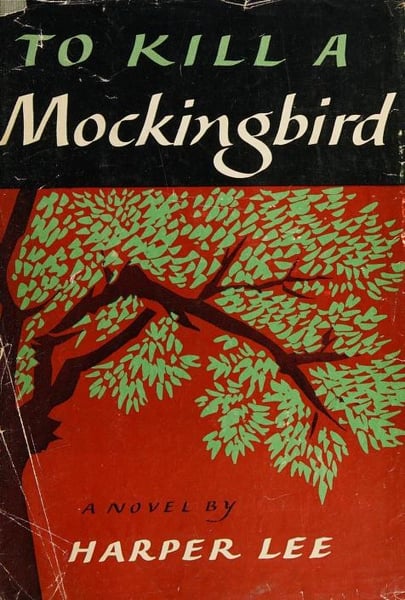
Harper Lee's novel, narrated by young Scout Finch in Depression-era Alabama, follows her father Atticus's defense of a Black man falsely accused of rape, exploring racial injustice and moral conscience in the American South.
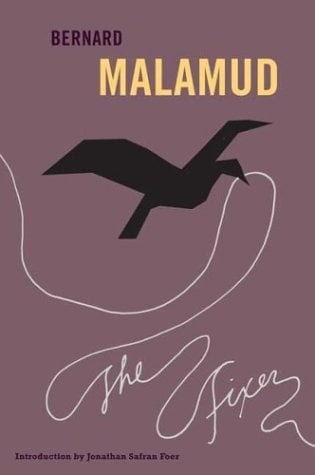
Bernard Malamud's novel, inspired by the Beilis case, follows Yakov Bok, a Jewish handyman in Tsarist Russia falsely accused of the ritual murder of a child, enduring imprisonment and antisemitic persecution.
Eudora Welty · Fiction, Fathers and daughters, Death
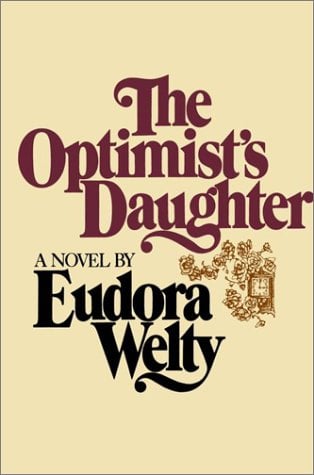
Eudora Welty's novel follows Laurel McKelva, who returns to Mississippi as her father dies and confronts his shallow young second wife, reckoning with memory, grief, and her parents' past.
Michael Shaara · Battle of Gettysburg, American Civil War, Historical fiction
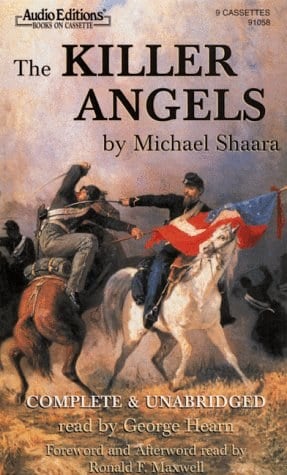
Historical novel recounting the four-day Battle of Gettysburg (1863) through the alternating perspectives of Union and Confederate commanders, dramatizing the human dimension of the Civil War's turning point.
A novel tracing the friendship between the brilliant, self-destructive poet Von Humboldt Fleisher and the successful writer Charlie Citrine, exploring art, materialism, mortality, and the place of the intellectual in modern American life.
John Kennedy Toole · Humorous fiction, New Orleans (Louisiana), Mothers and sons
A comic novel following Ignatius J. Reilly, an eccentric, erudite misfit bumbling through 1960s New Orleans, satirizing modern society through his collisions with the city's vivid lower-class characters.
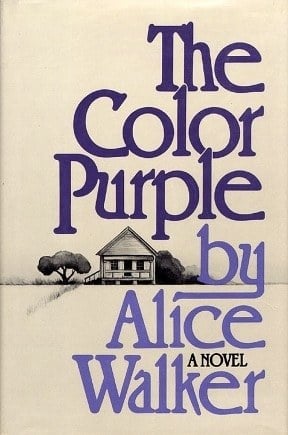
Alice Walker · African American women, Epistolary fiction, Domestic fiction
An epistolary novel charting the life of Celie, a poor Black woman in the early-20th-century rural South, as she endures abuse and gradually claims selfhood, voice, and love. It also won the National Book Award.
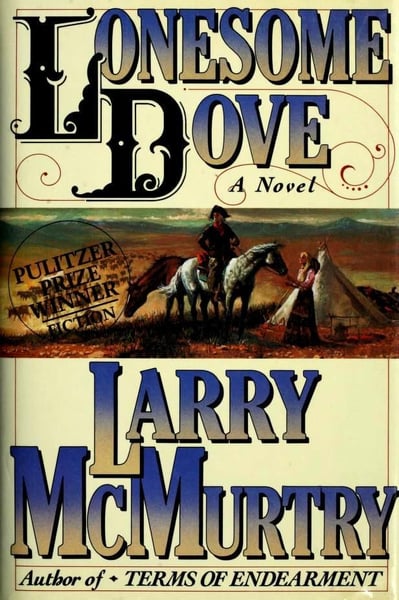
Larry McMurtry · Western fiction, Cattle drives, Cowboys
An epic Western following former Texas Rangers Augustus McCrae and Woodrow Call on a cattle drive from Texas to Montana, examining friendship, loyalty, and the closing of the American frontier.
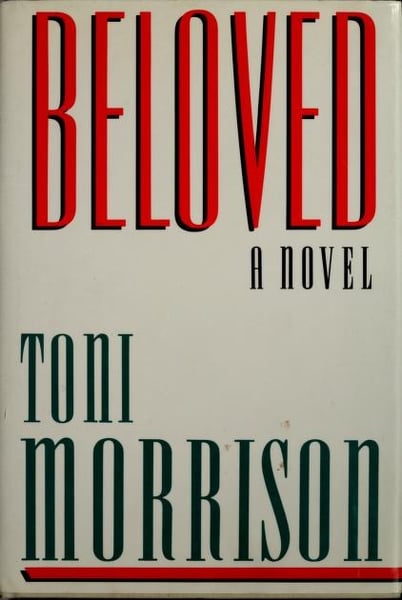
Toni Morrison · Slavery, African American women, Ohio
Set in post-Civil War Ohio, the novel follows escaped slave Sethe, haunted by the daughter she killed to spare from bondage, confronting the inescapable trauma and legacy of American slavery.
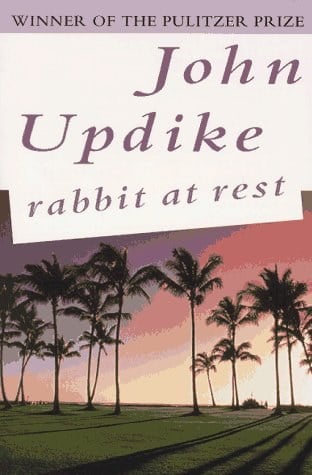
John Updike · Middle-aged men, Psychological fiction, American fiction
The final novel in Updike's Rabbit tetralogy follows an aging, ailing Harry 'Rabbit' Angstrom amid family crises and physical decline, reckoning with mortality and the end of an American era.
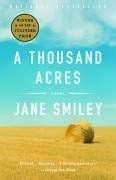
Jane Smiley · Family farms, Fathers and daughters, Inheritance and succession
A reimagining of Shakespeare's King Lear set on an Iowa farm, where a patriarch's decision to divide his land among three daughters unearths buried family secrets, abuse, and conflict.
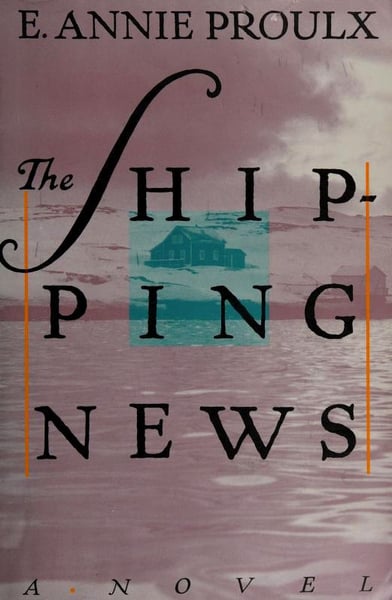
E. Annie Proulx · Newfoundland and Labrador, Domestic fiction, Journalists
After personal tragedy, hapless journalist Quoyle relocates with his daughters to his ancestral Newfoundland, where the harsh coastal community helps him rebuild his life. It also won the National Book Award.
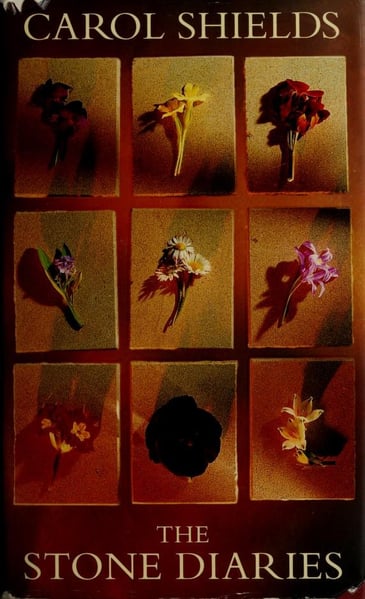
A fictional autobiography tracing the nearly ninety-year life of Daisy Goodwill from her birth in rural Manitoba to old age in Florida, meditating on identity, memory, and the elusiveness of an ordinary life.
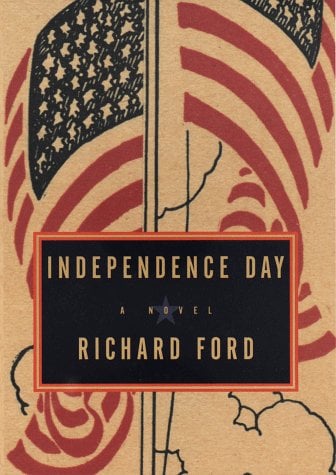
Richard Ford · Fiction, Fathers and sons, Real estate agents
The second of Richard Ford's Frank Bascombe novels, set over a July Fourth weekend in New Jersey as a divorced ex-sportswriter turned realtor reckons with his troubled son. It became the first novel to win both the Pulitzer Prize and the PEN/Faulkner Award.
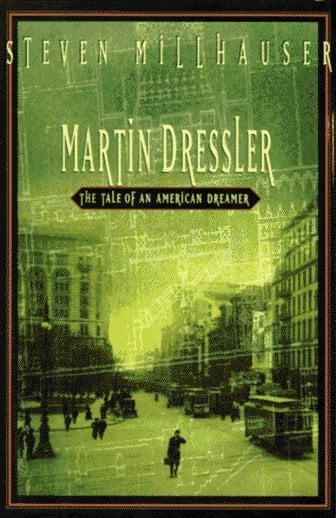
Steven Millhauser · Businesspeople, Historical fiction, New York (N.Y.)
A turn-of-the-century fable tracing a cigar-shop boy's meteoric rise to hotel magnate in New York, blurring fantasy and reality as his grand visions outstrip the world. It examines American ambition and the dreamlike excess of capitalist aspiration.
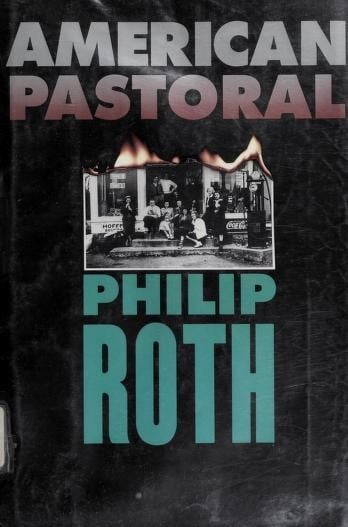
Philip Roth · Jewish Americans, Vietnam War, Newark (N.J.)
Narrated through Nathan Zuckerman, it follows Newark businessman Seymour 'Swede' Levov whose idyllic life collapses when his daughter commits an act of political terrorism during the 1960s. The novel anatomizes the unraveling of postwar American optimism.
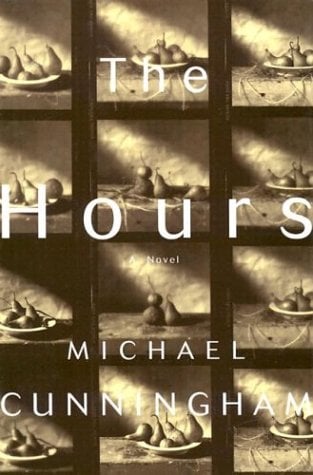
Michael Cunningham · Man-woman relationships, Virginia Woolf, Psychological fiction
Three women across different eras—Virginia Woolf, a 1950s housewife, and a present-day New Yorker—are linked through Woolf's novel Mrs Dalloway. It meditates on creativity, mortality, and the meaning found in ordinary days.
Jhumpa Lahiri · East Indian Americans, Short stories, Immigrants
A debut collection of nine stories portraying Indian and Indian-American characters caught between cultures, navigating marriage, displacement, and belonging. Its restrained, precise prose helped define contemporary diaspora fiction.
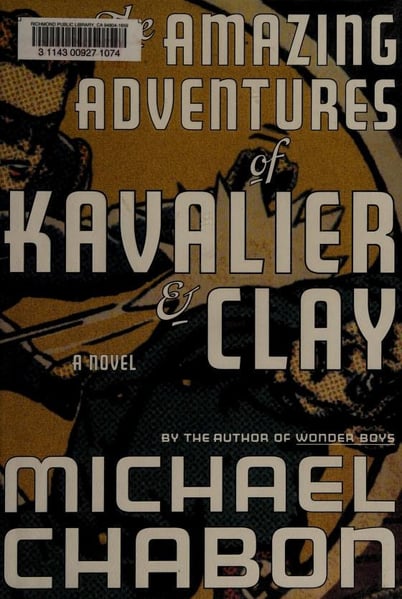
Michael Chabon · Comic books and strips, Czech Americans, New York (N.Y.)
Set during the Golden Age of comic books, it follows two Jewish cousins who create a hit superhero while one struggles to rescue family from Nazi-occupied Europe. The novel weaves escapism, art, and identity against the backdrop of World War II.
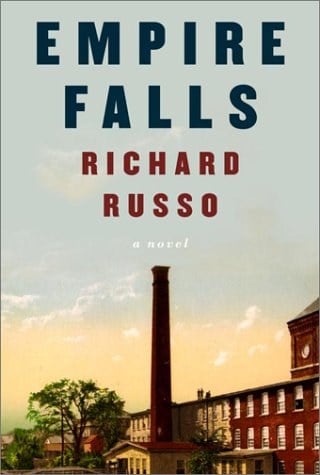
Richard Russo · Working class, Restaurateurs, Fathers and daughters
In a declining Maine mill town, diner manager Miles Roby contends with family, a domineering patron, and his community's faded fortunes. The novel offers a layered portrait of class, decline, and small-town American life.
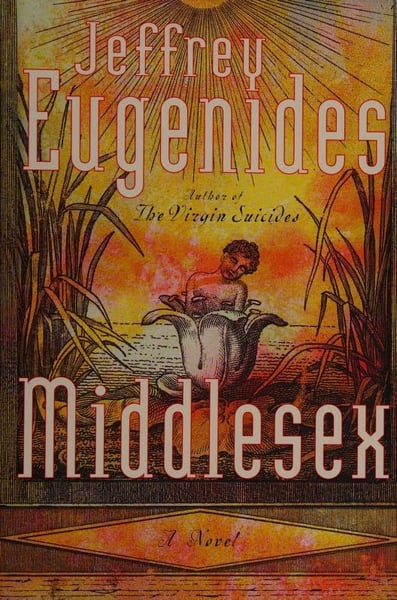
Spanning three generations of a Greek-American family from Asia Minor to Detroit, it narrates the life of Cal, an intersex narrator tracing a rare genetic inheritance. The novel blends epic family saga with an exploration of gender and identity.
Edward P. Jones · African American slaveholdersBook
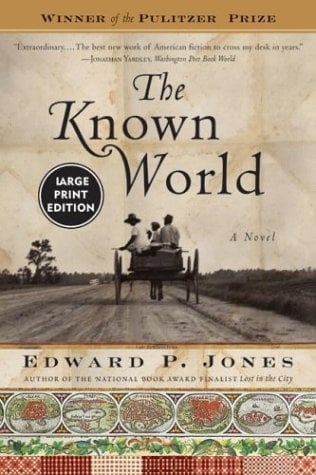
Edward P. Jones · African American slaveholders, Slavery, Plantation life
Set in antebellum Virginia, it centers on Henry Townsend, a formerly enslaved Black man who himself owns slaves, and the unraveling of his estate after his death. The novel probes the moral complexities and human cost of slavery.
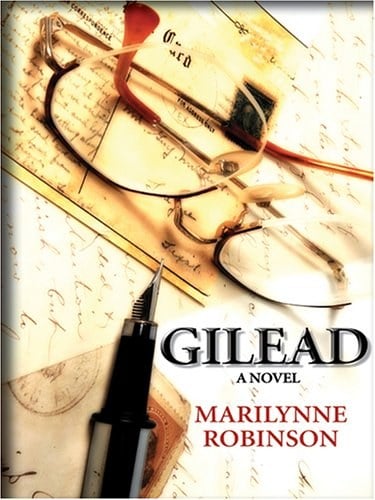
Marilynne Robinson · Christian fiction, Epistolary fiction, Fathers and sons
An aging Iowa minister writes a letter to his young son in the 1950s, recalling his family's history through abolitionism and the Civil War era. Written as a meditation on faith, mortality, grace, and generational bonds.
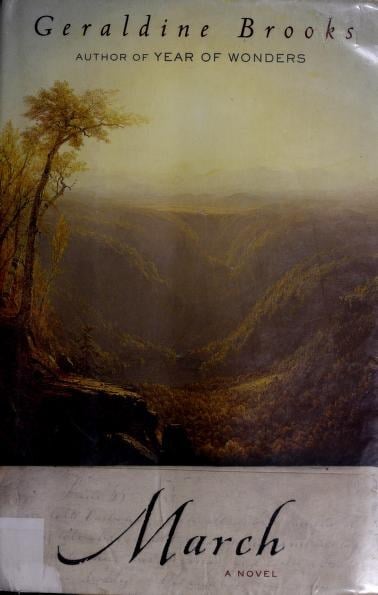
Geraldine Brooks · Historical Fiction, United States Civil War (1861-1865), Fathers and daughters
Reimagining the absent father from Louisa May Alcott's Little Women, this novel follows an idealistic chaplain serving the Union army during the Civil War, whose harrowing wartime experiences test his abolitionist convictions and reshape his marriage.
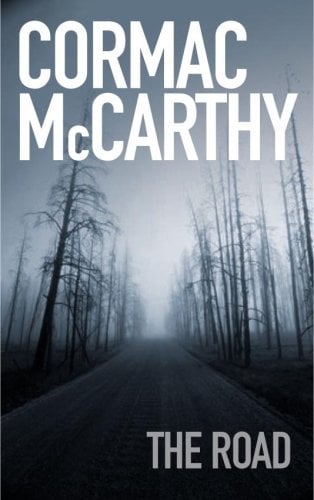
Cormac McCarthy · Post-apocalyptic fiction, Fathers and sons, Survival
A father and his young son journey on foot across a gray, ashen post-apocalyptic America, scavenging for food and evading cannibal bands. Spare and elegiac, the novel meditates on survival, mortality, and the persistence of love amid total devastation.
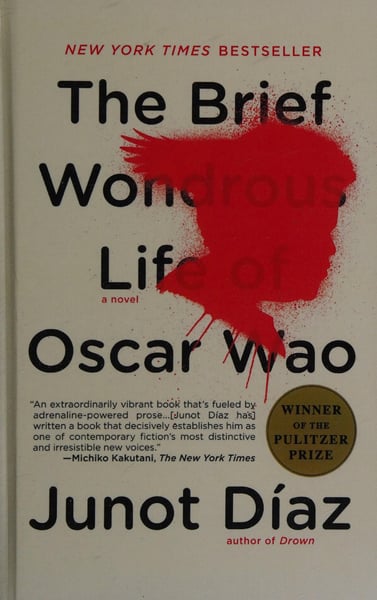
Junot Díaz · Dominican Americans, Family life, Literary fiction
Tracing an overweight, sci-fi-obsessed Dominican-American outcast in New Jersey and the generational curse haunting his family, the novel blends history of the Trujillo dictatorship with diaspora life, footnotes, and Spanglish to explore identity and fate.
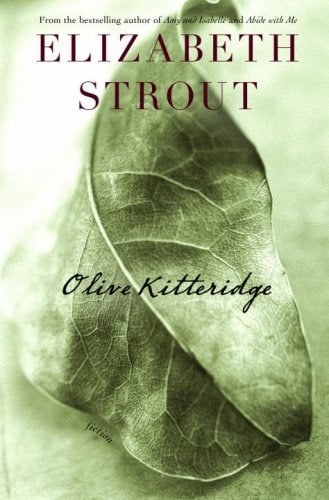
Elizabeth Strout · City and town life, Maine, Short stories (single author)
Through thirteen interlinked stories set in a small coastal Maine town, the book centers on a blunt, retired schoolteacher whose presence threads through the lives of her neighbors, illuminating marriage, aging, loss, and quiet endurance.
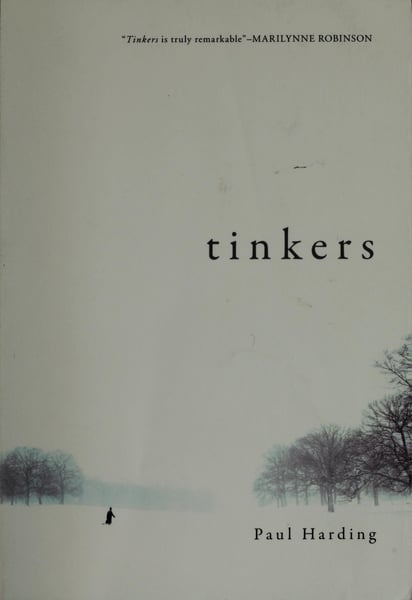
Paul Harding · Fathers and sons, Psychological fiction, Terminally ill
As an old clock repairman lies dying, his mind drifts through memory to his epileptic, peddler father and an impoverished New England boyhood. The slim debut is a lyrical meditation on time, mortality, and the natural world.
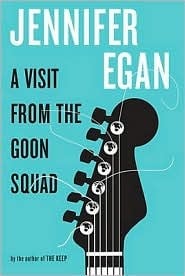
Jennifer Egan · Punk rock musicians, Sound recording executives and producers, Music
Linked stories spanning decades follow an aging record executive, his kleptomaniac assistant, and a constellation of figures from the punk and music industry. Experimental in form, the novel examines time's ravages, memory, and self-reinvention.
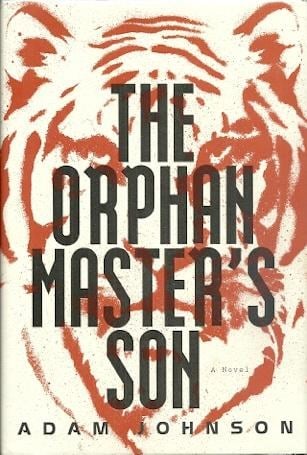
Adam Johnson · North Korea, Totalitarianism, Identity
Set in North Korea, the novel follows a man who rises from an orphanage to become a soldier, kidnapper, and impersonator under a totalitarian regime, exploring propaganda, identity, and state power through a harrowing tale of survival and love.
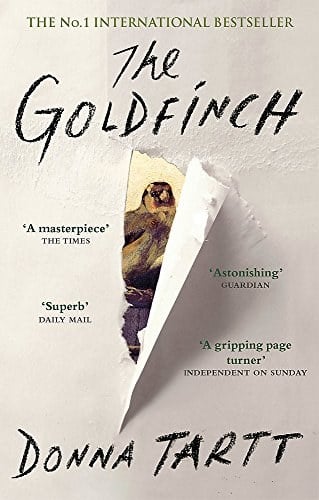
After a boy survives a terrorist bombing that kills his mother in a museum, he clings to a small Dutch painting that pulls him into the shadowy world of art and antiques. A sprawling bildungsroman on grief, obsession, and the consolations of art.
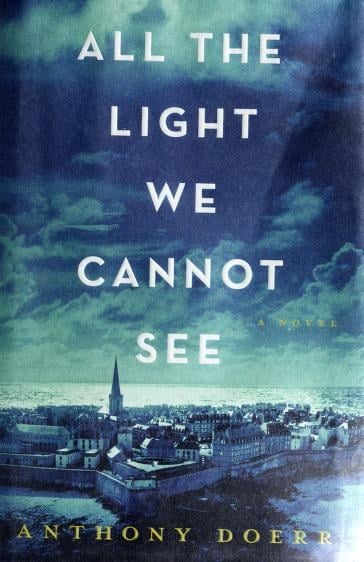
Anthony Doerr · World War 1939-1945, Historical fiction, Blind
In occupied France during World War II, the lives of a blind French girl fleeing with a precious gem and a German orphan conscripted for his radio skills gradually converge in the besieged city of Saint-Malo, in a story of resilience and humanity.
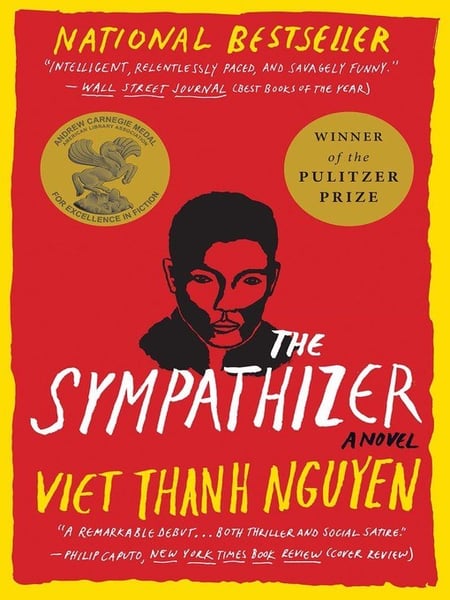
Viet Thanh Nguyen · Vietnam War (1961-1975), Espionage, Communists
Narrated as a confession by a conflicted communist double agent, the novel follows him from the fall of Saigon into exile among South Vietnamese refugees in Los Angeles, satirizing war, ideology, and the divided identity of a man between two worlds.
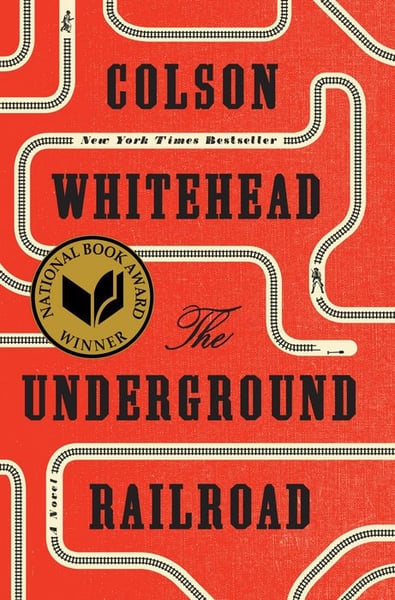
Colson Whitehead's novel reimagines the Underground Railroad as a literal subterranean rail network as it follows Cora, an enslaved woman fleeing a Georgia plantation. It uses this conceit to examine slavery, freedom, and the persistence of American racism.
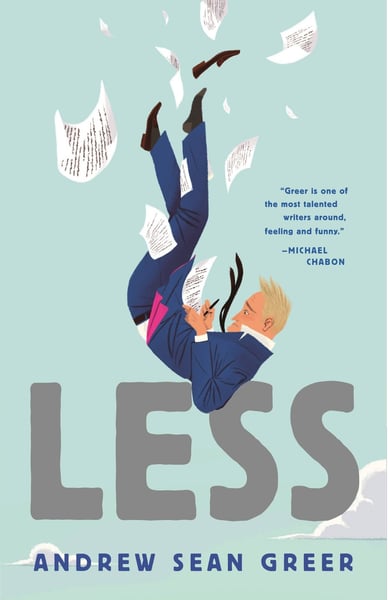
Andrew Sean Greer · Authors, Gay men, Voyages and travels
Andrew Sean Greer's comic novel follows Arthur Less, a struggling novelist nearing fifty who circles the globe accepting literary invitations to avoid his ex-boyfriend's wedding. It blends satire of the literary world with a tender meditation on aging, love, and self-acceptance.
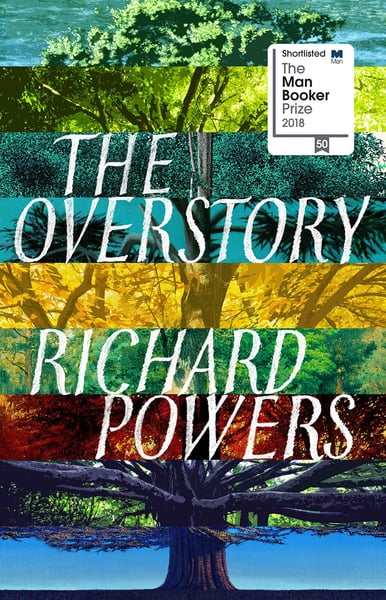
Richard Powers · Trees, Forests and forestry, Conservation
Richard Powers weaves together the lives of nine characters whose fates become bound up with trees and forest activism. The novel argues for the interconnected, communicative life of forests and humanity's place within the natural world.
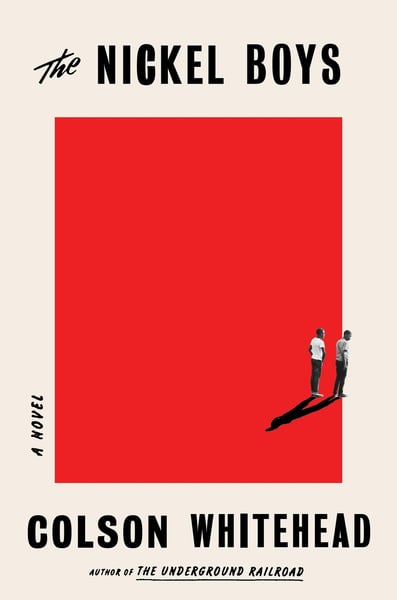
Colson Whitehead · African Americans, Historical fiction, Coming of age
Inspired by a real Florida reform school, Colson Whitehead's novel follows Elwood Curtis, an idealistic Black teenager sentenced to the abusive Nickel Academy in the Jim Crow South, and his pragmatic friend Turner. It examines institutional cruelty, racism, and the cost of conviction.
Louise Erdrich · Indians of North America, Ojibwa Indians, Indian termination policy
Drawing on her grandfather's life, Louise Erdrich's novel follows Chippewa night watchman and council member Thomas Wazhashk as he fights a 1953 federal bill to terminate Native American tribal rights, alongside a young woman searching for her sister. It dramatizes Native resistance, community, and survival.
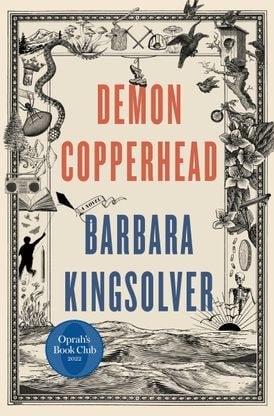
Barbara Kingsolver · Coming of age, Opioid abuse, Poverty
Barbara Kingsolver reimagines Dickens's David Copperfield in contemporary Appalachia, following a boy born into poverty who endures foster care, child labor, and the opioid epidemic. It indicts the institutional neglect of rural America while celebrating resilience.
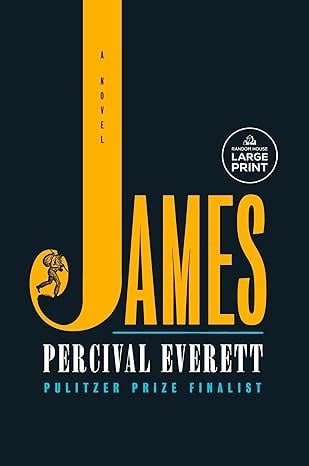
Percival Everett · Huckleberry Finn (fictional character)Book
Percival Everett · Huckleberry Finn (fictional character), Enslaved persons, Friendship
Percival Everett retells Adventures of Huckleberry Finn from the perspective of the enslaved Jim, restoring his intelligence, agency, and inner voice. The novel confronts slavery and the limits of Twain's original through sharp irony and reinvention.

No comments yet — be the first.