Caleido Editorial TeamJune 1, 202616 min read0 views
Virginia Woolf (1882-1941) was a British novelist, essayist, and critic who revolutionized the art of fiction. Rejecting the conventional linear narrative of her predecessors, Woolf developed a stream-of-consciousness technique that captured the fluid, fragmentary nature of human thought and perception. Her novels are not merely stories but immersive experiences — luminous explorations of time, memory, identity, and the textures of consciousness itself.
Hidden Gems & Little-Known Facts
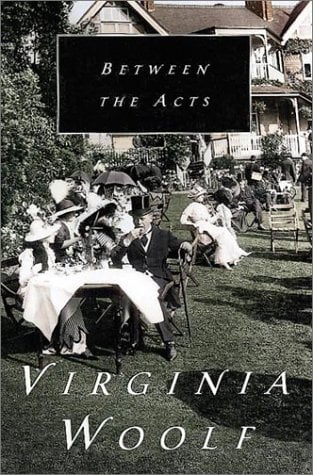
While Mrs Dalloway and To the Lighthouse are rightly celebrated, three other novels illuminate the full range of Woolf's daring. The Waves (1931) is her most experimental and personally cherished work — a novel written as six interlocking monologues tracing lives from childhood to old age, with interlude passages describing waves on a shore that mark the passage of time. Woolf considered it her masterpiece. Orlando (1928) is a playful, gender-bending fantasy biography spanning four centuries, in which the protagonist changes sex halfway through — written as a love letter to Vita Sackville-West and decades ahead of its time in its exploration of gender fluidity. Between the Acts (1941), her final novel published posthumously, was written during the Blitz while German bombs fell on Sussex, and is a haunting meditation on English history, community, and the fragility of civilization.
Woolf and her husband Leonard co-founded the Hogarth Press in 1917, operating it from their dining room. The press published T.S. Eliot's The Waste Land, the first English translations of Freud, and works by E.M. Forster and Katherine Mansfield. She was a central figure of the Bloomsbury Group, the influential circle of intellectuals and artists that included her sister Vanessa Bell, the economist John Maynard Keynes, and the biographer Lytton Strachey. Her extended essay A Room of One's Own (1929) — arguing that a woman needs money and a private space to write — became a foundational text of feminist literary criticism. She pioneered stream of consciousness in English fiction alongside James Joyce, though their approaches were markedly different.
Virginia Woolf · Young women, Man-woman relationships, Bildungsromans
Virginia Woolf's first novel follows Rachel Vinrace's sea voyage to South America, tracing her awakening to love, intellect, and selfhood. It introduces Woolf's emerging concerns with consciousness and the constraints of women's lives in Edwardian society.
Virginia Woolf · Love stories, Marriage, Courtship
Woolf's second novel contrasts two London women, Katharine Hilbery and Mary Datchet, as they navigate love, work, marriage, and the women's suffrage movement. It examines the tension between social convention and personal independence.
Woolf's first experimental novel reconstructs the life of Jacob Flanders obliquely, through the impressions of others and fragmentary scenes. It marks her break with conventional narrative and registers the loss of a generation of young men in the First World War.
Virginia Woolf · Upper class, London (England), Mental illness
Spanning a single June day in London, the novel follows Clarissa Dalloway preparing for a party while the shell-shocked veteran Septimus Smith spirals toward death. Through interwoven stream-of-consciousness, Woolf explores time, memory, and the proximity of life and death.
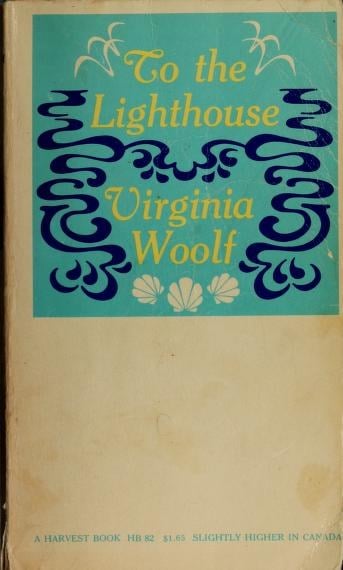
Virginia Woolf · Families, Domestic fiction, Married people
Centered on the Ramsay family's visits to their Hebrides summer home, the novel moves through perception, time, and loss in three parts. A landmark of modernist fiction, it explores memory, the inner lives of its characters, and the artist's struggle to capture meaning.
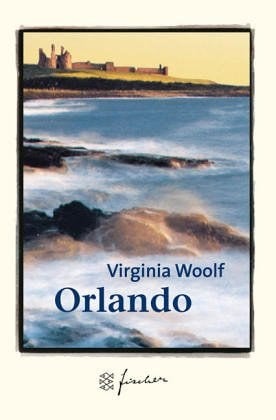
Virginia Woolf · Gender identity, Sex role, Nobility
A mock-biography of a poet who lives for centuries and changes from man to woman, the novel plays with history, gender, and identity. Inspired by Vita Sackville-West, it is among Woolf's most exuberant works and a touchstone for gender studies.
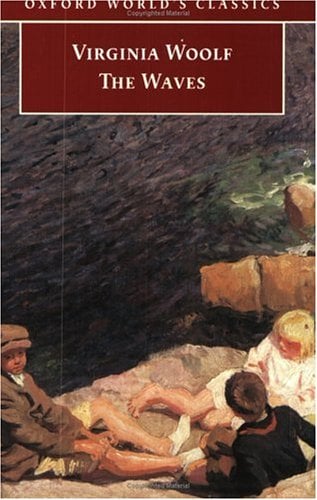
Virginia Woolf · Friendship, Identity (Psychology), Psychological fiction
Woolf's most formally radical novel follows six friends from childhood to age through alternating interior soliloquies. Structured around interludes describing the sun's passage over the sea, it probes individuality, time, and the boundaries of the self.
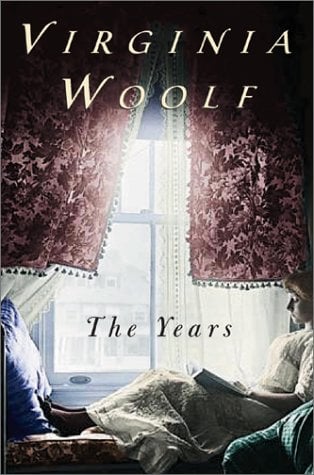
Virginia Woolf · Families, Domestic fiction, England
Tracing the Pargiter family from 1880 to the 1930s, the novel chronicles social and historical change across generations. More realist in surface than her earlier experiments, it was Woolf's greatest commercial success in her lifetime.
Virginia Woolf · English literature, Theater, Country life
Woolf's final novel unfolds on a single day at an English country house staging a village pageant on the eve of the Second World War. Its interwoven public history and private tension form a meditation on art, community, and continuity.
No comments yet — be the first.