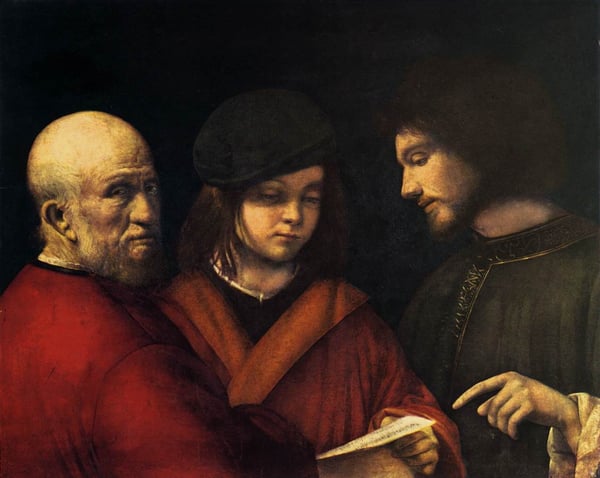
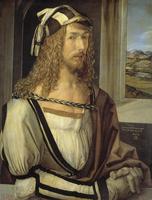
Based solely on the supplied facts—that the artwork is The Three Ages of Man by Giorgione, executed in the High Renaissance style as an allegorical painting—its significance lies in its embodiment of key High Renaissance principles through the allegorical genre. The work exemplifies the period's focus on harmonious composition, idealized human forms, and a layered symbolic narrative that invites contemplation of universal themes such as time, mortality, and human development. As an allegory, it moves beyond mere representation to convey deeper moral or philosophical ideas, a hallmark of High Renaissance intellectual ambition. The painting's significance is thus rooted in its synthesis of formal refinement and conceptual depth, characteristic of the era's highest achievements in conveying humanist ideals through visual art.