Analisi esperta di Taking of Christ di Caravaggio
Stile: Baroque, Tenebrism · Genere: religious painting
Expert Analysis: The Taking of Christ by Caravaggio
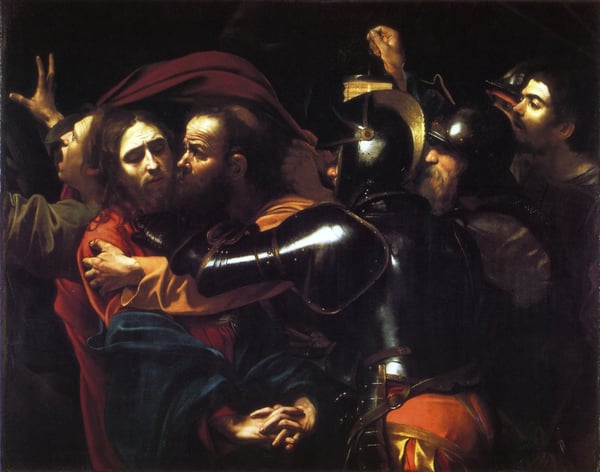
Caravaggio’s The Taking of Christ (c. 1602) stands as a masterwork of early Baroque painting and a definitive example of tenebrism—the stark, dramatic use of light and shadow to heighten emotional and spiritual tension. In this religious scene, Caravaggio abandons idealized, remote depictions of biblical events in favor of a gritty, immersive realism that pulls the viewer directly into the moment of betrayal.
Composition and Tenebristic Lighting
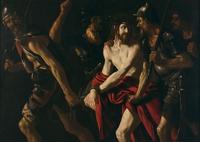
The canvas is dominated by a deep, almost impenetrable darkness, from which figures emerge with sculptural clarity. A single, unseen light source—perhaps the lantern held by the figure on the far left—cuts across the scene, illuminating faces and hands while plunging the background into obscurity. This tenebristic technique does more than create theatrical effect; it isolates the key emotional and narrative elements: the serene, sorrowful face of Christ, the aggressive profile of Judas as he presses the kiss of betrayal, and the gleaming armor of the arresting soldier. The light functions symbolically, revealing truth in the midst of spiritual and physical darkness.
Psychological Realism and Human Drama
Caravaggio rejects the grand, heroic gestures of earlier religious art. Instead, he captures the chaos and confusion of betrayal with visceral immediacy. Christ’s expression is one of calm acceptance, his hands bound yet not resisting—a quiet contrast to the shouting, shoving figures around him. Judas’s kiss is rendered not as a theatrical act but as a tense, invasive physical gesture, emphasizing its treachery. The faces of the other figures—the wide-eyed disciple (likely John) fleeing, the armored guard grabbing Christ—are not idealized but are portraits of ordinary men caught in a raw moment. This naturalism, rooted in Caravaggio’s use of live models, makes the sacred story feel startlingly contemporary and accessible.
Self‑Portraiture and the Viewer’s Role
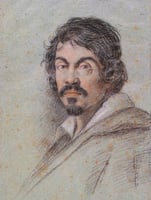
One of the most innovative features of the painting is the inclusion of Caravaggio’s own face as the lantern-bearer on the far left. This self‑portrait places the artist within the narrative as a witness, a gesture that blurs the line between creator and participant. The lantern’s glow—the only light source in the composition—invites the viewer to consider the role of illumination: both physical light and spiritual insight. By making himself part of the scene, Caravaggio emphasizes that the betrayal of Christ is not a distant historical event but a timeless moral drama in which we are all implicated.
Significance within the Baroque and Tenebrist Tradition
The Taking of Christ exemplifies the Baroque era’s shift toward emotional engagement, theatricality, and direct address to the viewer’s senses. Caravaggio’s radical tenebrism—the near‑complete subordination of color and setting to chiaroscuro—set a new standard for dramatic storytelling in painting. His influence can be seen throughout the seventeenth century, particularly in the works of artists such as José de Ribera, Georges de La Tour, and Rembrandt. The painting remains a landmark because it transforms a well‑known biblical subject into a profoundly human encounter, where light and darkness, innocence and betrayal, faith and fear collide with breathtaking immediacy.
Museum / Gallery
Visivamente simili
20 opere con composizione e palette affini
Gefangennahme Christi
Dirck van Baburen
Pilate Washing His Hands
Luca Giordano
L'arrestation du Christ
Bartolomeo Manfredi
PARMA CRISTO DAVANTI A PILATO
Leonello Spada
Les joueurs de cartes
Bartolomeo Manfredi
The Capture of Christ with the Malchus Episode
Dirck van Baburen
Warrior
Peter Paul Rubens
Denial of Saint Peter
Caravaggio
The Judas Kiss
Luca Giordano
Martyrdom of Saint Ursula
Caravaggio
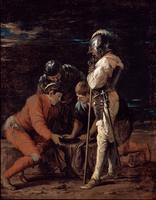
Soldiers Gambling
Salvator Rosa
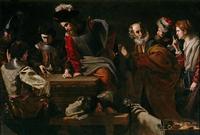
The Denial of St. Peter
Nicolas Tournier
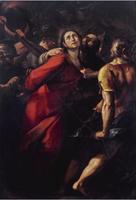
The Capture of Christ
Giulio Cesare Procaccini
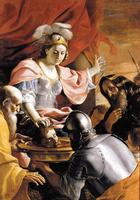
Queen Tomyris Receiving the Head of Cyrus, King of Persia
Mattia Preti
Release of Saint Peter from Prison
Mattia Preti
Christ before Pilate
Luca Giordano
Christ Before Pilate
Luca Giordano
Sophonisba Receiving the Goblet
Mattia Preti
Christ and the Adulteress
Peter Paul Rubens
The arrest of Christ
Caravaggio