Expert analysis of Caravaggio’s The Lute Player
Style: Baroque, Tenebrism · Genre: portrait
Expert Analysis: "The Lute Player" by Caravaggio
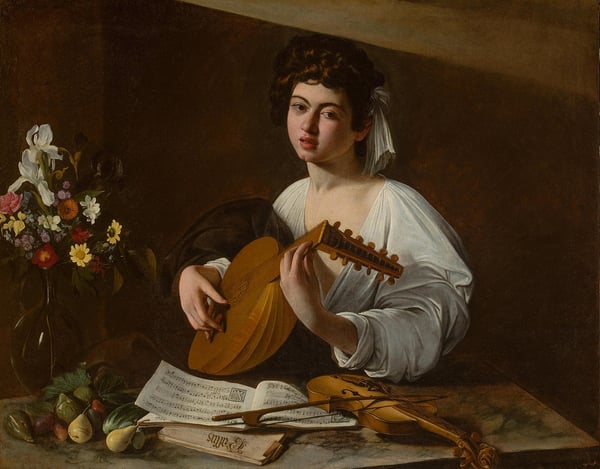
Caravaggio’s The Lute Player stands as a quintessential early masterpiece of the Baroque period, brilliantly exemplifying the revolutionary technique of tenebrism that would define his legacy. Painted circa 1596, this portrait transcends mere likeness to become a study in dramatic, psychological tension and sensuous realism.
What makes this work significant:
-
Tenebristic Innovation – The composition is dominated by a stark, almost theatrical contrast between deep, velvety shadow and a sharp, raking light that falls diagonally across the figure. This is not just lighting for visibility; it carves the subject out of darkness, giving the young musician a sculptural, almost tangible presence. The illuminated face, hands, and lute appear to emerge from the void, while the background dissolves into obscurity—a hallmark of Caravaggio’s style that heightens intimacy and immediacy.
-
Realism and the Mundane Sacred – Unlike idealized Renaissance portraits, Caravaggio presents a realistic, flesh-and-blood youth (likely a male singer-musician from his Roman circle). The slightly parted lips, the half-closed eyes, and the relaxed fingers on the strings capture a fleeting, unposed moment. This mundane, everyday quality was radical: Caravaggio refused to idealize, instead emphasizing the subject's palpable presence and emotional vulnerability.
-
Musical Allegory and Sensuality – The lute, with its precisely rendered frets and strings, is not merely a prop but a vehicle for sensory fusion: we see the music through the careful depiction of hands and the instrument's texture. The fruit and flowers in the foreground (often read as symbols of the senses) reinforce the theme of transience and pleasure, while the soft, androgynous beauty of the model introduces an undercurrent of eroticism that was both celebrated and controversial.
-
Baroque Drama in a Still Frame – Caravaggio captures a single, suspended instant—the musician seems about to strike a note. This momentariness, combined with the intense chiaroscuro, creates a narrative implied beyond the canvas. The viewer becomes a silent audience to a private performance, a defining trait of Baroque art’s desire to engage and involve.
In summary, The Lute Player is significant not only as a dazzling display of tenebrist technique but also as a manifesto for Caravaggio’s naturalism: it elevates an everyday scene to a powerful emotional and sensory experience, forever changing the course of Baroque portraiture.
Museum / Gallery
Visually similar
20 works with related composition and palette
A Lady Playing the Lute
Ferdinand Bol
Self Portrait as a Lute Player
Artemisia Gentileschi
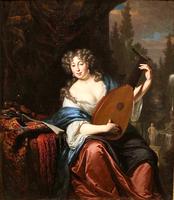
Portrait of a Lady Playing a Lute
Michiel van Musscher
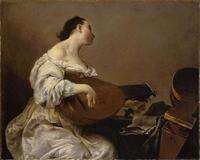
Woman Tuning a Lute
Giuseppe Maria Crespi
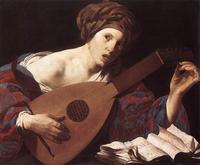
Woman Playing the Lute
Hendrick Terbrugghen
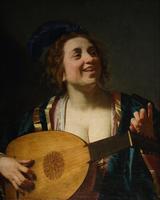
Femme Acoordant Son Luth
Gerard van Honthorst
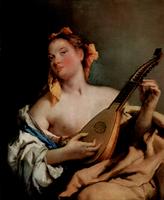
Girl with a Mandolin
Giovanni Battista Tiepolo
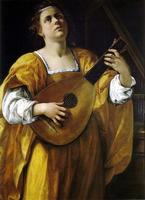
Saint Cecilia as a Lute Player
Artemisia Gentileschi
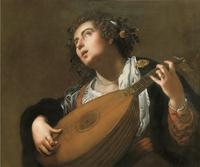
Woman Playing a Lute
Artemisia Gentileschi
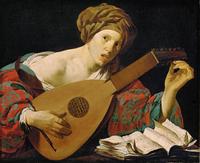
Woman Playing the Lute
Hendrick Terbrugghen
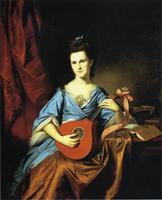
Julia Stockton (Mrs. Benjamin) Rush
Charles Willson Peale
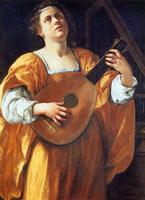
St Cecilia Playing a Lute
Artemisia Gentileschi
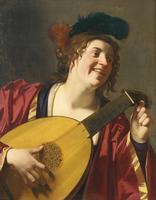
Femme Jouant Du Luth
Gerard van Honthorst
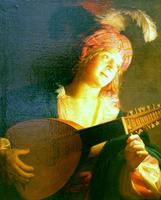
Woman with Lute
Gerard van Honthorst
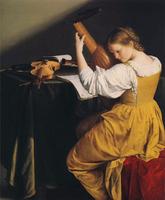
The Lute Player
Orazio Gentileschi
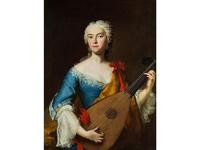
PORTRAIT EINER JUNGEN DAME MIT LAUTE
Jacopo Amigoni
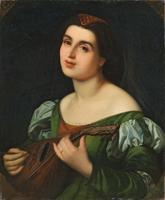
Lute player
Vito d'Ancona
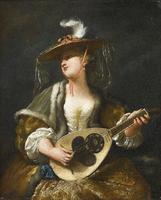
A Lady Playing a Mandolin
Jean Barbault
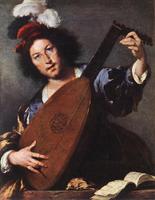
Lute Player
Bernardo Strozzi
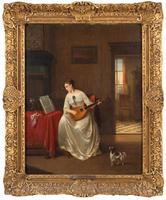
Elegant Interior Scene, depicting a lady in satin dress playing a mandolin, and a King Charles Spaniel by her side
Alexis Van Hamme