Expert Analysis: "Curtains" by Roy Lichtenstein
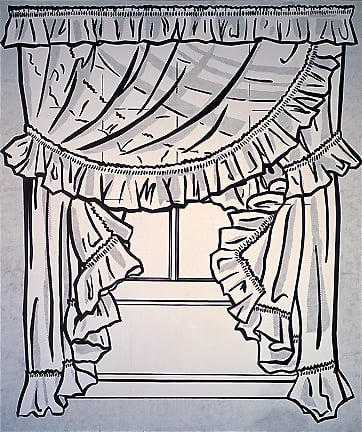
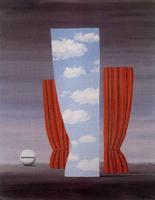
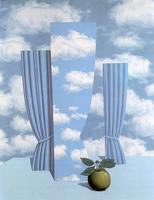
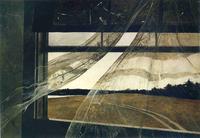
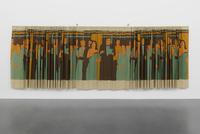
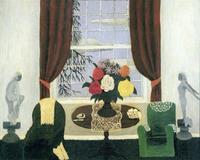
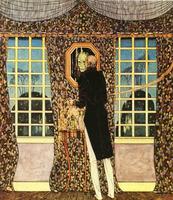
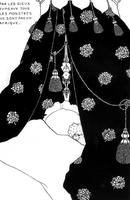
As a hallmark of Pop Art, Roy Lichtenstein’s “Curtains” transforms a mundane interior element into a subject of high-art contemplation. The work aligns with Pop’s core mission: elevating everyday commercial and domestic objects through the visual language of mass production—here, the genre of interior painting becomes a vehicle for critiquing the boundary between fine art and popular culture.
The significance of “Curtains” lies in its recontextualization of the ordinary. By isolating a single, functional household feature and rendering it with the flat planes, bold outlines, and mechanical reproduction techniques (such as Ben-Day dots, implied by the style’s conventions), Lichtenstein challenges traditional hierarchies of artistic subject matter. The interior genre, typically reserved for intimate or narrative scenes, is stripped of sentiment and presented as a graphic, almost industrial pattern. This approach forces viewers to question the aesthetic value we assign to everyday objects and the role of artistic reproduction in shaping perception.
Furthermore, the work embodies Pop Art’s irony: a curtain—traditionally a concealment or backdrop—becomes the focal point, simultaneously revealing and obscuring the distinction between real space and pictorial surface. “Curtains” thus stands as a critical commentary on the commodification of domestic life and the visual saturation of mid‑20th‑century consumer culture.