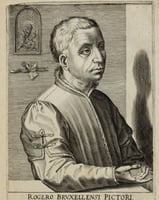
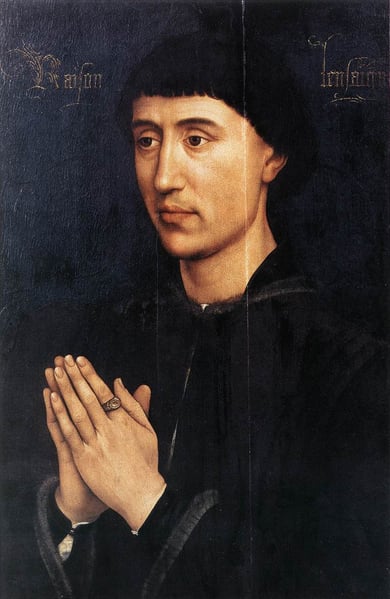
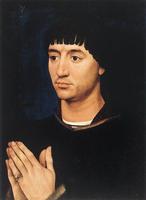
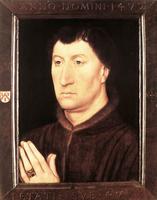
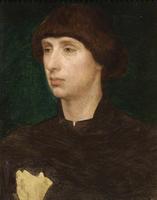
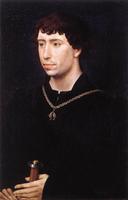
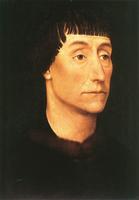
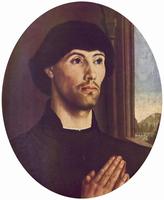
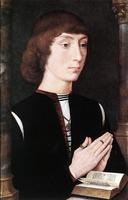
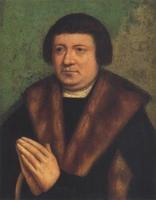
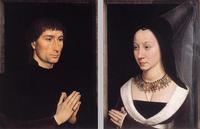
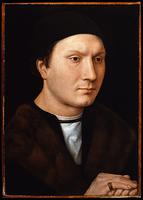
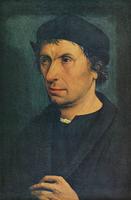
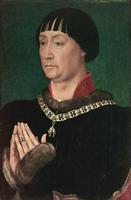
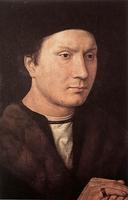
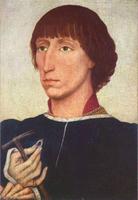
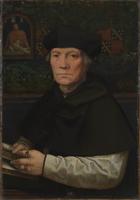
The significance of Rogier van der Weyden's Portrait of Laurent Froimont lies in its exemplary representation of Northern Renaissance portraiture. Van der Weyden, a master of the period, elevates the genre beyond mere likeness by infusing the sitter with a profound psychological presence. The work showcases the Northern Renaissance dedication to meticulous naturalism—evident in the rendering of textures, light, and facial features—while also conveying the sitter’s status and inner character. This portrait is significant for how it balances precise, empirical observation with a subtle emotional depth, hallmarks of van der Weyden’s style that helped define the Flemish portrait tradition and influence later European art.