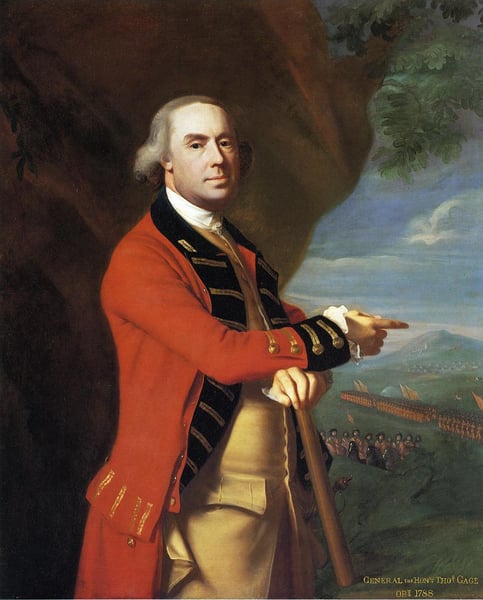
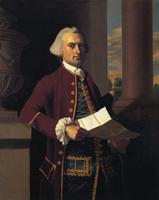
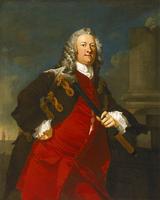
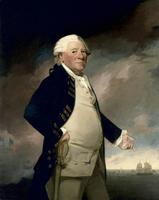
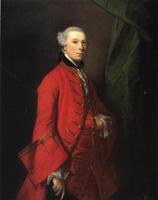
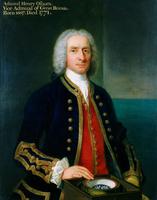
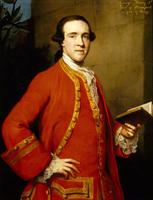
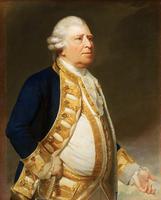
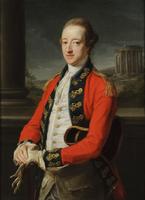
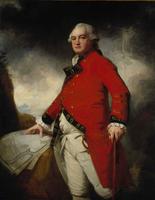
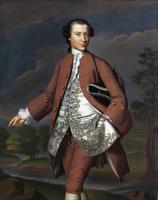
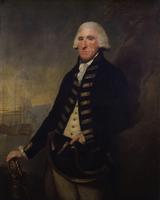
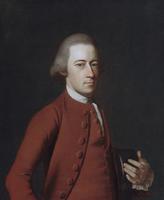
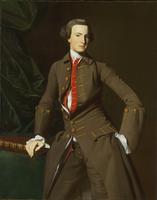
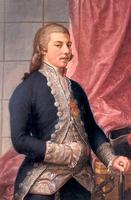
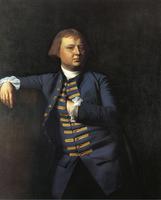
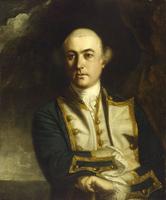
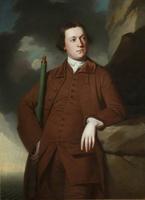
As a Neoclassical portrait by John Singleton Copley, Portrait of General Thomas Gage exemplifies the period’s emphasis on order, clarity, and dignified representation. The work is significant for its fusion of Copley’s characteristically precise realism with the Neoclassical ideal of restrained, balanced composition—a combination that elevates the sitter’s authority without excessive ornamentation. Within the portrait genre, Copley’s treatment of General Gage—a key British military figure in pre-Revolutionary America—reflects the Neoclassical preference for portraying individuals as embodiments of civic virtue and command. The painting’s controlled detailing, stately posture, and sober palette align with Neoclassical tenets, while Copley’s meticulous rendering of fabric, insignia, and facial features reinforces the subject’s status. This work is thus significant not only for its historical subject but also for demonstrating how Copley adapted Neoclassical principles to American colonial portraiture, creating a lasting model of dignified, authoritative representation.