
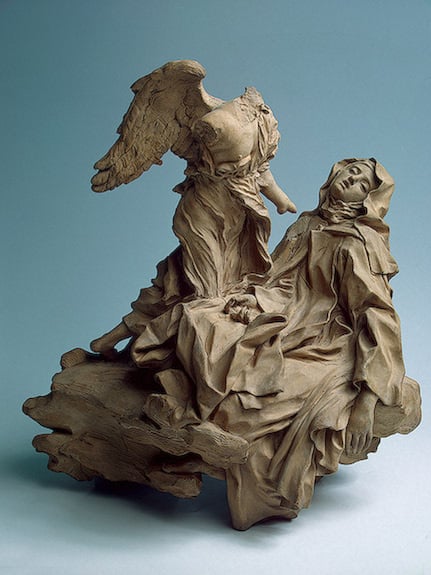
Expert analysis of Gian Lorenzo Bernini’s The Ecstasy of St. Teresa
Style: Baroque · Genre: sculpture
Expert Analysis: "The Ecstasy of St. Teresa" by Gian Lorenzo Bernini
As a defining masterpiece of the Baroque style and a pinnacle of sculpture as a genre, Bernini’s The Ecstasy of St. Teresa (1647–1652) is significant for its radical fusion of theatricality, emotional intensity, and spatial illusionism. The work exemplifies the Baroque obsession with capturing a transcendent, momentary experience—here, the saint’s mystical union with God—through dynamic composition and virtuosic marble carving.
Key elements of its significance within the Baroque period:
-
Theatrical staging: The sculptural group is set within a gilded bronze chapel in the Cornaro Chapel (Santa Maria della Vittoria, Rome), complete with hidden window lighting that casts a natural glow on Teresa’s face. This integration of sculpture, architecture, and light blurs the line between art and reality, drawing the viewer into the scene as a participant rather than an observer.
-
Emotional and physical immediacy: Bernini captures the precise instant of Teresa’s ecstasy—her head thrown back, eyes half-closed, mouth slightly open. The cascading folds of her robe seem to writhe with the spiritual fever, while the angel’s poised hand gently pulls aside her garment. The contrast between the weightless, ethereal fabric and the solid marble underscores the Baroque fascination with transience and paradox.
-
Counter-Reformation spirituality: The sculpture visually embodies the Catholic Church’s call for accessible, visceral piety. Teresa’s rapture is not a remote miracle but a palpable, even sensual experience, designed to inspire devotion in the faithful. The golden sunburst behind her radiates divine light, reinforcing the illusion of heavenly intervention.
-
Technical virtuosity: Bernini’s ability to render marble as if it were flesh, cloth, and light is unparalleled. The angel’s delicate fingers, Teresa’s trembling foot, and the shimmering bronze rays demonstrate a sculptural naturalism that pushes the medium beyond stone into the realm of living theater.
In essence, The Ecstasy of St. Teresa is the quintessential Baroque sculpture: it turns a static material into a dynamic spiritual drama, seducing the senses while elevating the soul. Its enduring significance lies in how it redefines sculpture as an immersive, multi-sensory experience, setting the standard for European religious art for generations.
Museum / Gallery
Visually similar
20 works with related composition and palette
Allegory of Faith
Johann Georg Pinzel
Angel with the Inscription of I.N.R.I.
Gian Lorenzo Bernini
Time Arrested by Death
Gian Lorenzo Bernini
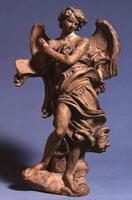
Standing Angel with Scroll
Gian Lorenzo Bernini
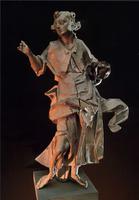
Saint Tobias
Johann Georg Pinzel
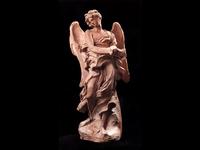
The Angel of the Crown of Thorns
Gian Lorenzo Bernini
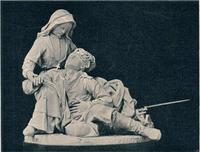
After the Battle
Joseph Urbania
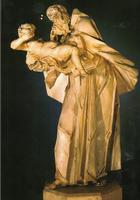
Saint Felix with Child
Johann Georg Pinzel
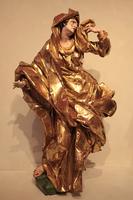
Our Lady
Johann Georg Pinzel
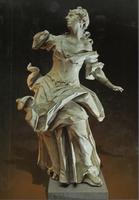
Allegory of Wisdom
Johann Georg Pinzel
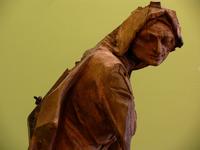
Saint Anne (fragment)
Johann Georg Pinzel
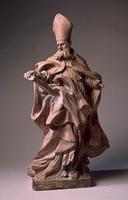
St. Augustine
Gian Lorenzo Bernini
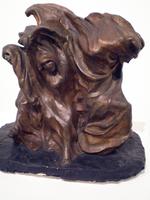
Danse Macabre ,
Meta Vaux Warrick Fuller
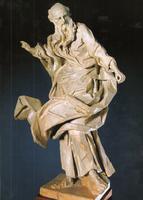
St. Joachim
Johann Georg Pinzel
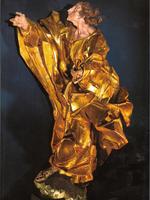
Saint John the Baptist
Johann Georg Pinzel
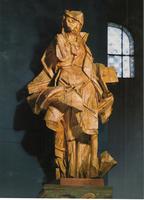
Saint Anne
Johann Georg Pinzel
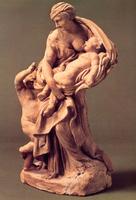
Charity Tomb of Urban VIII
Gian Lorenzo Bernini
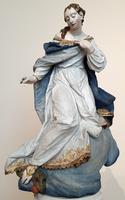
Maria Immaculata
Ignaz Günther
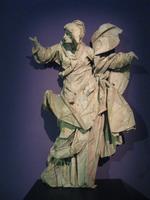
Saint Elizabeth
Johann Georg Pinzel
Allegory of Courage
Johann Georg Pinzel