
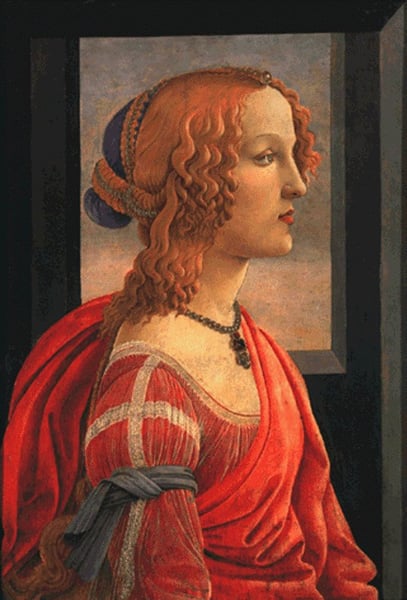
Expert analysis of Sandro Botticelli’s Simonetta
Style: Early Renaissance · Genre: portrait
“Simonetta” by Sandro Botticelli is a portrait executed in the Early Renaissance style. As a work within this period, its significance lies in Botticelli’s departure from the rigid, profile‑only conventions of earlier Florentine portraiture. Instead, he infuses the likeness with an ethereal grace and a softened, almost lyrical line—hallmarks of his mature approach. The portrait’s genre (a single sitter) allowed Botticelli to concentrate on idealizing the subject’s features while still retaining the naturalistic observation prized by the Early Renaissance. The painting exemplifies how artists of this era balanced classical harmony with a new interest in individual character, making “Simonetta” a key example of the evolving humanistic spirit that defined the period.
Visually similar
20 works with related composition and palette
Portrait of a young woman
Sandro Botticelli
Magdalena Reading
Piero di Cosimo
Portrait of Simonetta Vespucci (Portrait of a Young Woman)
Sandro Botticelli
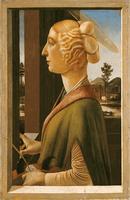
Woman with attributes of Saint Catherine, so called Catherina Sforza Sandro Botticelli
Sandro Botticelli
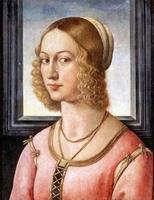
Portrait of Giovanna Tornabuoni
Domenico Ghirlandaio
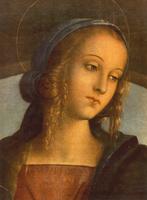
The Madonna between St. John the Baptist and St. Sebastian (detail 1)
Pietro Perugino
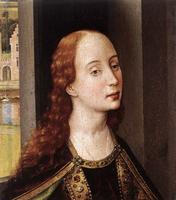
Saint Catherine
Rogier van der Weyden
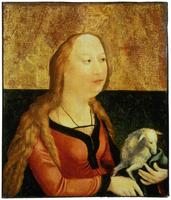
Saint Agnes of Rome (Coburg Panel)
Matthias Grünewald

Portrait of a Lady
Domenico Ghirlandaio
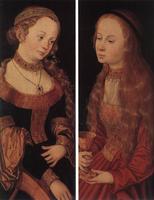
St. Catherine and St. Barbara
Lucas Cranach the Elder
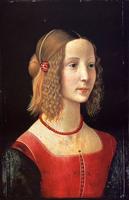
Portrait of a Girl
Domenico Ghirlandaio

Mary Magdalene
Carlo Crivelli

Portrait of Giovanna Tornabuoni
Domenico Ghirlandaio
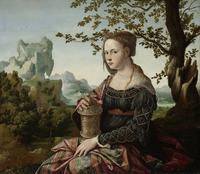
Mary Magdalene
Jan van Scorel
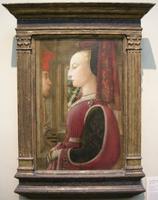
Portrait of a Man and Woman at a Casement
Filippo Lippi
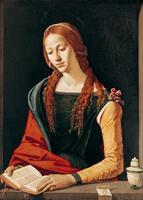
Maria Magdalena
Piero di Cosimo

Saint Mary Magdalene
Carlo Crivelli
Coburg Panel
Matthias Grünewald
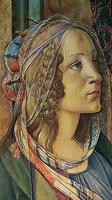
Detail of St. Catherine from Virgin and Child with Saints, the Altarpiece of San Barnabas
Sandro Botticelli
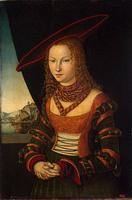
Portrait of a Woman
Lucas Cranach the Elder