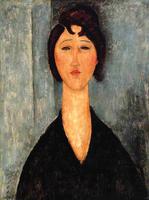
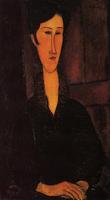
Expert Analysis of "Portrait of Madame Rachele Osterlind" by Amedeo Modigliani
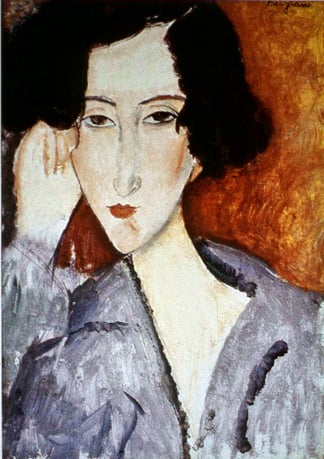
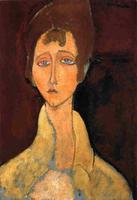
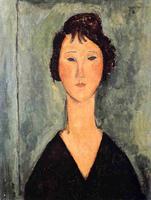
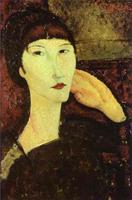
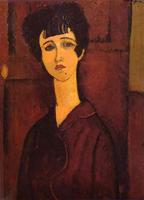
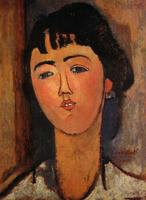
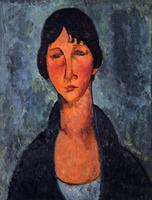
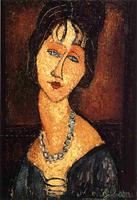
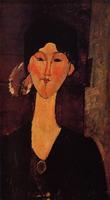
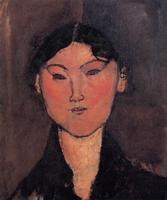
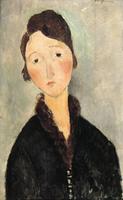
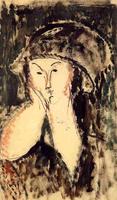
As an Expressionist portrait, Modigliani’s Portrait of Madame Rachele Osterlind is significant for its distilled emotional intensity and formal innovation. The work exemplifies the artist’s signature approach: a synthesis of elongated, graceful forms and a mask-like face that conveys profound inner life through stillness. Modigliani flattens spatial depth, using sinuous lines and simplified, almost sculptural shapes to create a timeless, iconic presence. The sitter’s attenuated neck, sloping shoulders, and almond-shaped eyes—often vacant or turned inward—evoke a melancholy introspection typical of his portraits, blending influences from Italian Mannerism, African masks, and contemporary Parisian avant-garde.
Within Expressionism, Modigliani’s work stands apart for its restraint; rather than distorting form for explosive emotion, he achieves psychological impact through serene, deliberate stylization. The portrait’s significance lies in how it captures the tension between individual identity and universal archetype—Madame Osterlind is both a specific person and an emblem of modern existential solitude. This balance of elegance and unease, intimacy and alienation, marks Modigliani as a master of transforming the portrait genre into a vehicle for raw, unspoken feeling.