Expert Analysis of "Annunciation" by El Greco
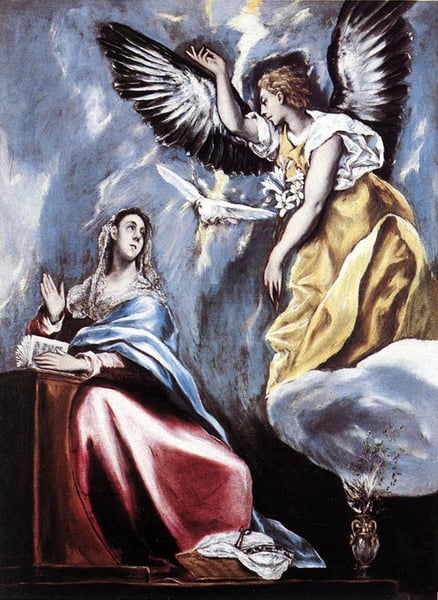
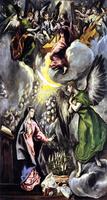
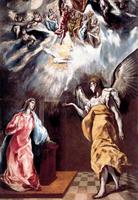
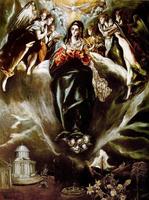
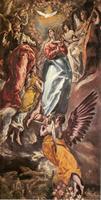
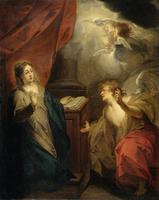
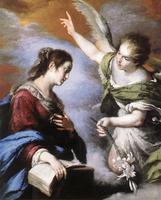
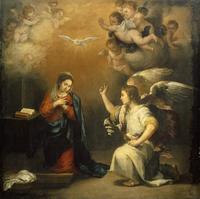
El Greco’s Annunciation exemplifies Mannerism’s departure from High Renaissance naturalism, especially during his Spanish period. The work is significant for its radical elongation of figures, compressed spatial depth, and vivid, almost otherworldly color—hallmarks of the artist’s mature style. By distorting anatomy and perspective, El Greco prioritizes emotional and spiritual intensity over realistic representation, aligning with Counter-Reformation devotional art. The angel Gabriel and the Virgin Mary are rendered as ethereal, flame-like forms, their gestures charged with divine mystery. This synthesis of Byzantine iconography (from El Greco’s Cretan origins) with Western Mannerist artifice creates a highly personal, visionary language. The painting stands as a key example of how Mannerism in Spain moved toward expressive abstraction, influencing later generations and securing El Greco’s reputation as a proto-modernist.