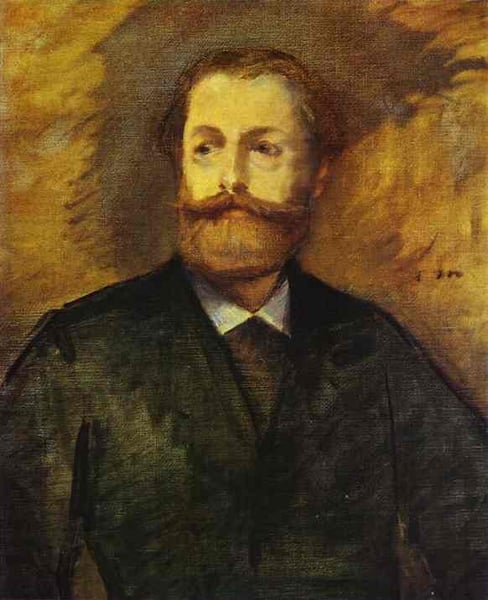
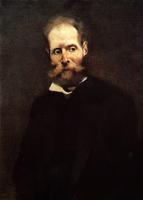
Analysis of "Portrait of Antonin Proust (Study)" by Edouard Manet
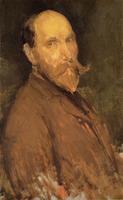
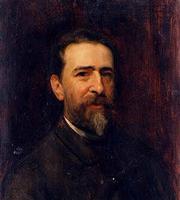
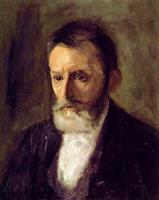
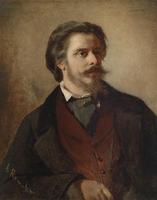
This work is a portrait executed in the Realist style. As a study, it captures the essence of Manet’s approach to portraiture—direct, unidealized, and focused on the sitter’s character rather than formal perfection. The significance lies in how Manet, a leading figure of Realism, uses a seemingly unfinished or preparatory state to emphasize spontaneity and truthfulness. The loose brushwork and restrained palette typical of a study break from academic conventions, aligning with Realism’s rejection of artificiality. Moreover, the subject—Antonin Proust, a close friend and future Minister of Fine Arts—anchors the work in the social and intellectual milieu of 19th-century France. This portrait is significant as it demonstrates Manet’s shift toward modern life subjects and his influence on later Impressionist portraiture, all while remaining firmly rooted in the Realist commitment to depicting contemporary reality with honesty.