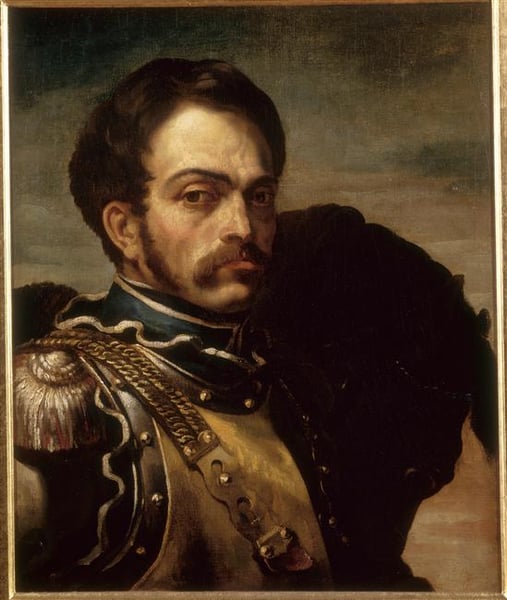
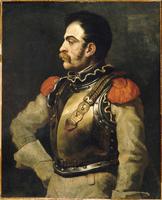
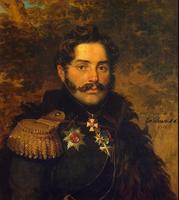
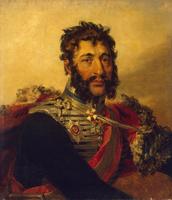
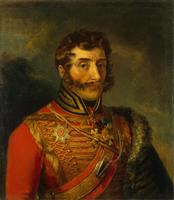
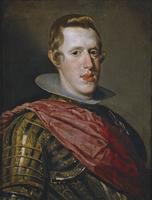
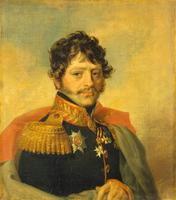
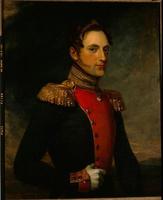
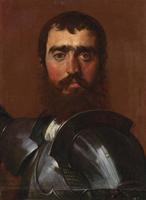
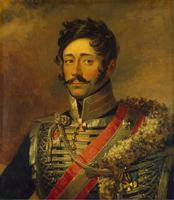
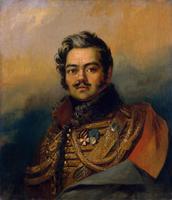
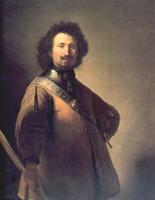
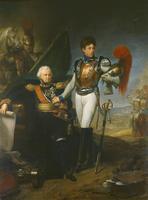
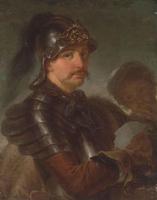
As an expert art historian analyzing "Portrait of a Carabinier" by Théodore Géricault within the framework of Romanticism and the portrait genre, the work’s significance stems directly from how it embodies the core Romantic emphasis on individual character, emotional intensity, and the heroic ideal—qualities that distinguish it from the more detached, formal portraits of earlier Neoclassicism. The subject—a carabinier, or mounted soldier—is not merely a static likeness but a vehicle for expressive power. Géricault’s approach, typical of Romantic portraiture, prioritizes psychological presence over idealized beauty, capturing the sitter’s inner life and martial spirit. The painting stands as a key example of Romanticism’s shift from objective representation to subjective feeling, elevating a portrait from a simple record to a dramatic statement of human force and vulnerability. Its significance lies in its synthesis of Romantic ambition with the intimacy of portraiture, making the individual soldier a symbol of broader Romantic concerns: passion, struggle, and the sublime.