Analisi esperta di The Plaster Kiln di Théodore Géricault
Stile: Romanticism · Genere: genre painting
Expert Analysis: "The Plaster Kiln" by Théodore Géricault
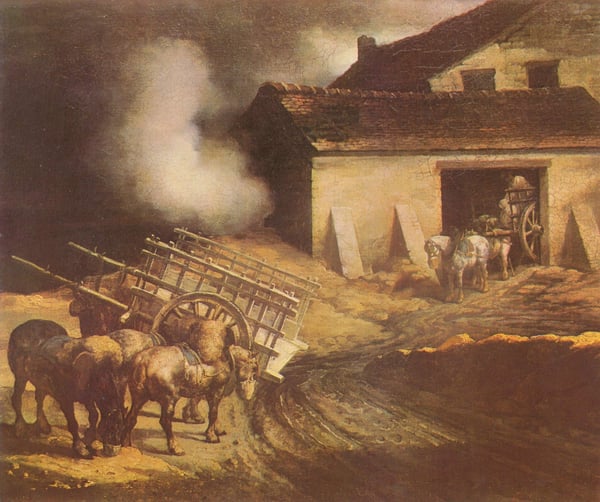
Théodore Géricault’s The Plaster Kiln exemplifies the Romantic spirit by elevating a humble, industrial subject into a scene of raw, elemental power. Painted within the genre painting tradition—which typically depicts scenes of everyday life—this work is significant for how it subverts the calm domesticity often associated with the genre. Instead, Géricault focuses on the brutal, physical labor of burning plaster, capturing the fierce heat, choking smoke, and the almost volcanic transformation of raw stone into building material.
Within the context of Romanticism, the painting’s importance lies in its rejection of idealized, classical subjects in favor of contemporary, visceral reality. Géricault channels the Romantic fascination with the sublime—not through dramatic storms or shipwrecks, but through the intense, man-made spectacle of an industrial kiln at work. The dark, dramatic lighting and vigorous brushwork convey a sense of struggle and transience, reflecting the Romantic belief that profound beauty and terror can coexist in even the most ordinary of scenes. By turning a lowly plaster kiln into a subject worthy of monumental treatment, Géricault expands the boundaries of Romantic art, asserting that modernity and labor are as epic as history or mythology.
Museum / Gallery
Visivamente simili
20 opere con composizione e palette affini
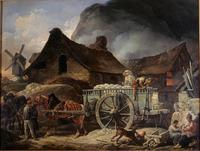
Le Four À Plâtre, À Montmartre
Carle Vernet
The courier's horse
Silvestro Lega
Figures With A Cart And Horses Fording A Stream
Jan Siberechts
A barnyard with two plough horses
Paulus Potter
Bivouac Russian soldiers
August von Pettenkofen
Transport of the wounded (petroglyph)
August von Pettenkofen
Empty horse-drawn cart waiting on the beach near Hastings
Frans Arnold Breuhaus de Groot
Scene in the Isle of Wight
William Shayer
Ox Carts in the Ukrainian Steppe
Ivan Aivazovsky
Bivouac in the desert convoy Chumakov
Aleksey Savrasov
The Cart
Le Nain brothers
Bivouac in the desert convoy Chumakov
Aleksey Savrasov
Storm at the Puszta
Mihaly Munkacsy
Stour valley and Dedham village
John Constable
The Carrier's Resting Place
William Collins
Before the Storm, Nova Scotia, 1951
Frank Mason
The Carrier Preparing to Set Out
George Morland
On the Ofantino channel
Giuseppe De Nittis
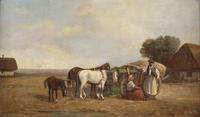
Hungarian Farmers with Wagon
August von Pettenkofen
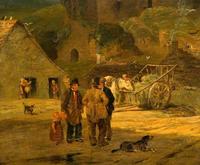
The Village Gossip
William Collins