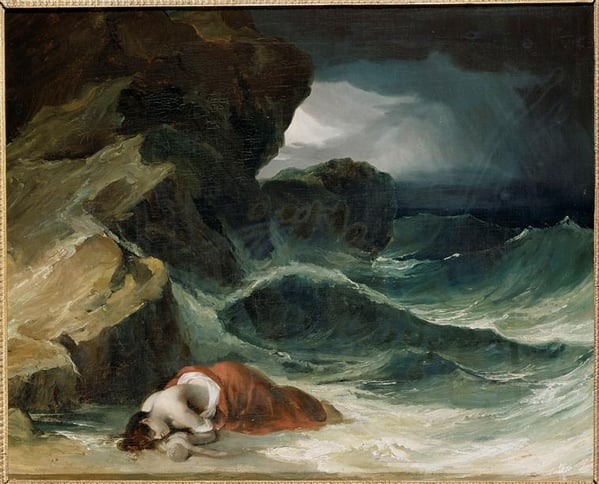
Analysis of "The Storm, or The Shipwreck" by Théodore Géricault
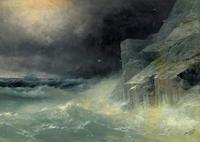
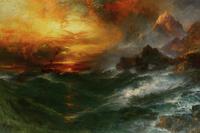
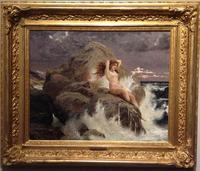
This work is a quintessential example of Romanticism within the marina genre, capturing the movement’s core emphasis on raw emotion, the sublime power of nature, and human vulnerability. As a marina—a genre typically focused on seascapes—Géricault elevates a conventional maritime scene into a dramatic narrative of peril and awe.
The significance of this painting lies in how it embodies the Romantic fascination with the sublime: the overwhelming, untamed force of the storm dwarfs any human presence or vessel. The shipwreck itself becomes a metaphor for the fragility of human endeavor against the vast, indifferent natural world. In Romanticism, such depictions were revolutionary because they prioritized emotional intensity and the terrifying beauty of nature over the orderly, balanced compositions favored by earlier movements like Neoclassicism.
By choosing a storm at sea as his subject within the marina genre, Géricault aligns his work with the broader Romantic exploration of extreme states—fear, struggle, and the boundary between life and death. The painting’s significance thus rests in its ability to make the viewer feel the chaos and immensity of the scene, reinforcing Romanticism’s central belief that art should stir the soul through dramatic, often sublime, encounters with the natural world.