Expert Art Historical Analysis:
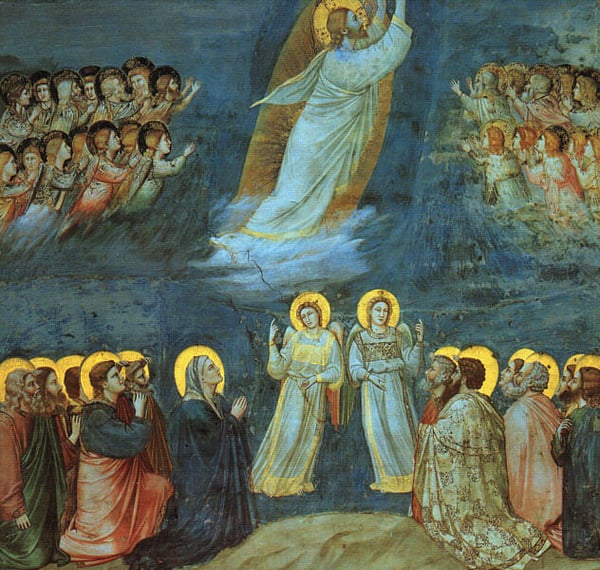
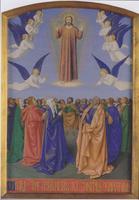
"The Ascension" by Giotto – Proto Renaissance / Religious Painting
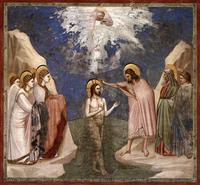
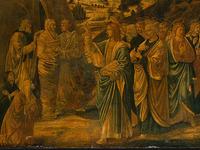
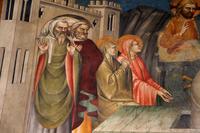
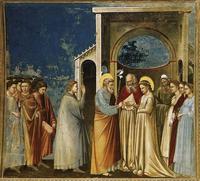
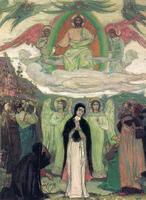
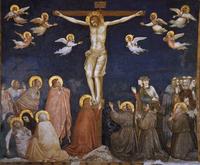
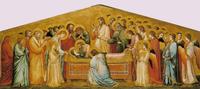
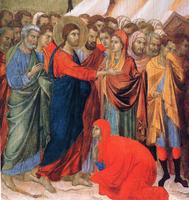
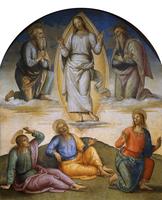
Within the context of the Proto Renaissance (c. 1300–1400), Giotto’s treatment of the Ascension marks a decisive break from the flat, hieratic conventions of Byzantine art. The work’s significance lies in its pioneering naturalism: Giotto renders the figures with tangible weight and volume, using chiaroscuro to model their forms and create a sense of three-dimensionality. The composition organizes the sacred narrative around a clear focal point—Christ ascending—while the surrounding apostles respond with varying gestures and expressions, introducing an emotional realism unprecedented in medieval religious imagery. This psychological engagement transforms the biblical scene from a static icon into a human drama, aligning with the Proto Renaissance’s renewed interest in observable nature and human experience. The careful arrangement of figures in a shallow but coherent spatial setting also foreshadows the systematic perspective of the later Renaissance. Giotto’s Ascension thus stands as a foundational statement of the period’s core innovation: the fusion of spiritual transcendence with believable, earthbound presence.