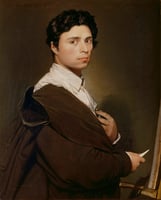
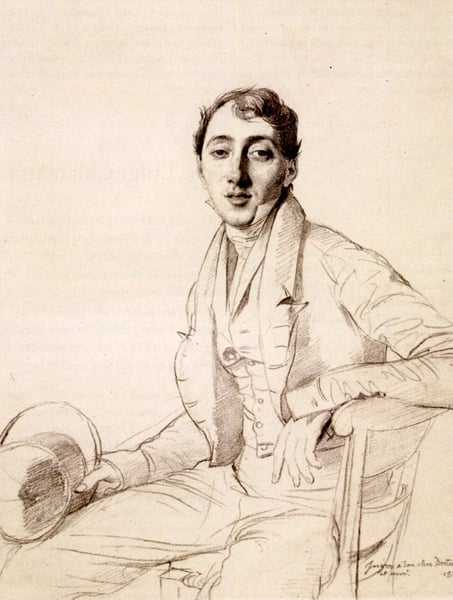
Dr. Louis Martinet
Analisi esperta di Dr. Louis Martinet di Jean Auguste Dominique Ingres
Stile: Neoclassicism · Genere: portrait
This analysis of Jean Auguste Dominique Ingres’s Dr. Louis Martinet focuses on its significance within the Neoclassical style, drawing exclusively from the provided facts: Artist: Ingres, Style: Neoclassicism, Genre: portrait.
Expert Analysis:
Ingres’s portrait of Dr. Louis Martinet stands as a consummate example of Neoclassicism’s core principles applied to the intimate genre of portraiture, demonstrating why Ingres is considered both the last great pillar of the movement and a bridge to new artistic sensibilities.
1. The Primacy of Line and Clarity: In strict adherence to Neoclassical doctrine (championed by Ingres’s teacher, Jacques-Louis David), the painting’s power derives from its precise, flowing contour lines. Ingres famously declared that “drawing is the probity of art.” In this portrait, the silhouette of Dr. Martinet’s figure, the crisp folds of his coat, and the architectural structure of his face are all rendered with a linear purity that creates a sense of eternal, idealized order—a hallmark of the style that sought to emulate the calm grandeur of Classical antiquity.
2. Idealized Realism and Psychological Dignity: While Neoclassical portraiture often demanded the ennobling of the sitter, Ingres brought a distinctive tension to the formula. Dr. Martinet is not merely a generic “classical” figure; he is a specific, intellectual individual. Ingres elevates him by stripping away extraneous detail, focusing the viewer’s eye on the sitter’s steady gaze and the controlled, sculptural modeling of his face. This fusion of idealized form (the perfect oval of the head, the balanced composition) with a penetrating, almost clinical scrutiny of character is what makes the work significant. It embodies the Neoclassical ideal of portraying the sitter’s inner virtue and reason through external, disciplined form.
3. Restrained Composition and Timelessness: True to Neoclassicism’s rejection of Baroque drama and Rococo frivolity, the composition is radically simple. Dr. Martinet is placed in a shallow space, against a neutral background, with no elaborate props or gestures. This austerity directs all attention to the sitter’s face and bearing—creating a sense of timeless, moral seriousness. The portrait does not document a fleeting moment but rather a permanent state of being: the portrait of a man of science and reason, captured in the unchanging language of classical restraint.
Significance within the Period: Dr. Louis Martinet is significant because it demonstrates how Ingres, even in a relatively private commission, elevated the portrait genre to the level of history painting—the highest Neoclassical category. By applying the same rigorous draftsmanship and idealizing vision he used for mythological and historical scenes, Ingres transformed a doctor’s likeness into a monument of human intellect and composure. The work thus encapsulates Neoclassicism’s ambition: to find universal, timeless truth in the specific, rational individual.
Museum / Gallery
Visivamente simili
20 opere con composizione e palette affini
Jean Pierre Cortot
Jean Auguste Dominique Ingres
Portrait of Theodor Pelissier (1794–1863) from Hanau
Leopold Pollak
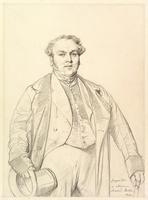
Armand Bertin
Jean Auguste Dominique Ingres
Portrait of Franz Xaver Winterhalter
Leopold Pollak
Charles Thevenin
Jean Auguste Dominique Ingres
Dr. François Melier
Jean Auguste Dominique Ingres
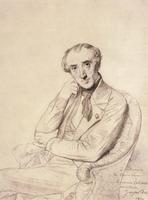
Pierre François Henri Labrouste
Jean Auguste Dominique Ingres
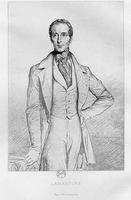
Portrait de Lamartine
Theodore Chasseriau
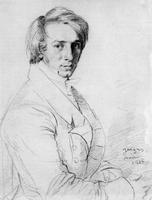
Ursin Jules Vatinelle
Jean Auguste Dominique Ingres
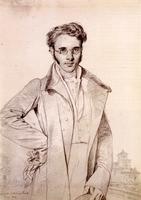
Andre Benoit Barreau, called Taurel
Jean Auguste Dominique Ingres
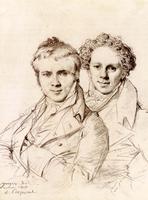
Otto Magnus von Stackelberg and Jacob Linckh
Jean Auguste Dominique Ingres
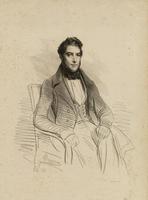
Adolphe Goupil, prints editor
Achille Devéria
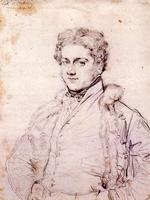
Charles Robert Cockerell
Jean Auguste Dominique Ingres
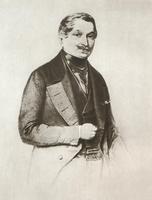
Portret Aleksandra Fredry
Henryk Rodakowski
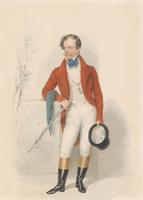
Gentleman in riding costume
Josef Kriehuber
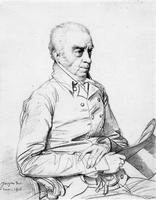
Dr. Thomas Church
Jean Auguste Dominique Ingres
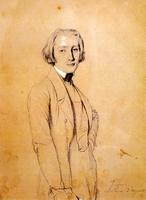
Franz Liszt
Jean Auguste Dominique Ingres
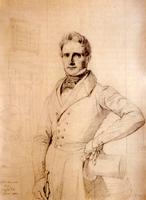
Alexis Rene Le Go
Jean Auguste Dominique Ingres
Alexander von Villers
Henri Lehmann
Ramón Mesonero Romanos
Rosario Weiss Zorrilla