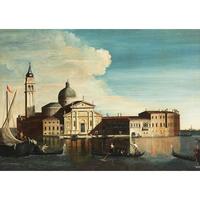
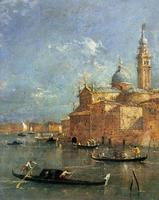
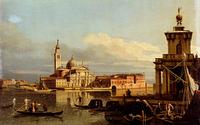
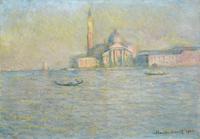
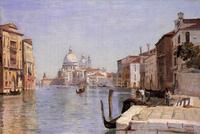
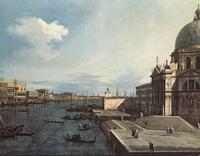
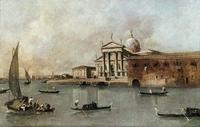
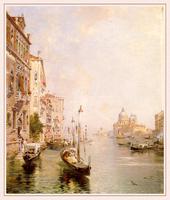
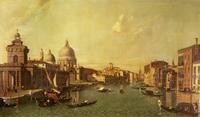
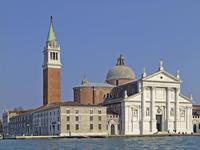
Expert analysis of "Island San Giorgio" by Giorgio de Chirico (Neo-baroque cityscape):
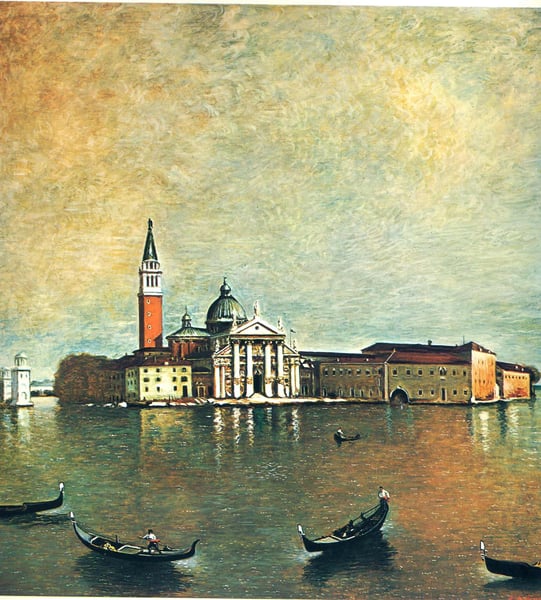
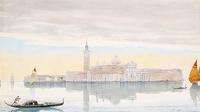
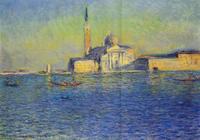
This work is significant as a striking convergence of Giorgio de Chirico’s earlier metaphysical vocabulary with the dramatic excesses of the Neo-baroque style. In de Chirico’s hands, the Neo-baroque cityscape transcends mere revivalism: the composition’s sweeping diagonals, deep chiaroscuro, and theatrical lighting evoke Baroque grandeur, yet the persistent, uncanny stillness and the iconic silhouetted forms (classical arcades, monumental statuary, empty plazas) betray his metaphysical roots. The choice of “San Giorgio”—an island bearing a church that often appears in Venetian vedute—allows de Chirico to transform a familiar landmark into an alien, stage-like space. The work’s significance lies in how it reinterprets Baroque dynamism through a lens of psychological disquiet, creating a cityscape that is both opulent and haunting, and thereby expands the stylistic boundaries of de Chirico’s late career within the Neo-baroque idiom.