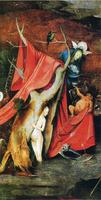
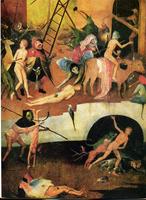
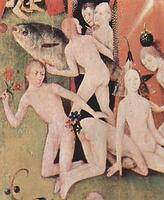
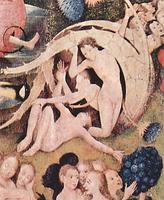
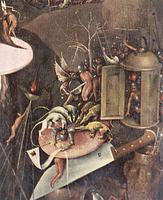
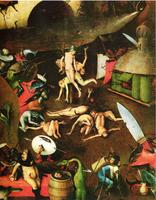
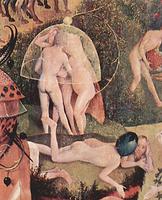
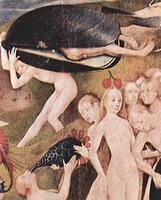
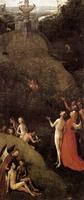
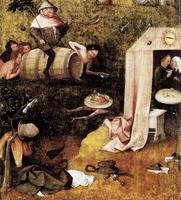
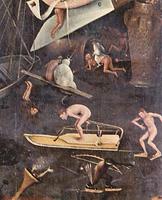
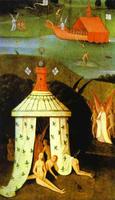
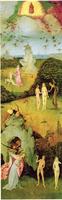
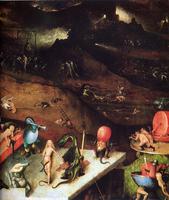
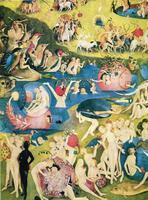
Based exclusively on the information provided, "The Temptation of St. Anthony (detail)" by Hieronymus Bosch is significant within the Northern Renaissance style and the religious painting genre for the following reasons:
-
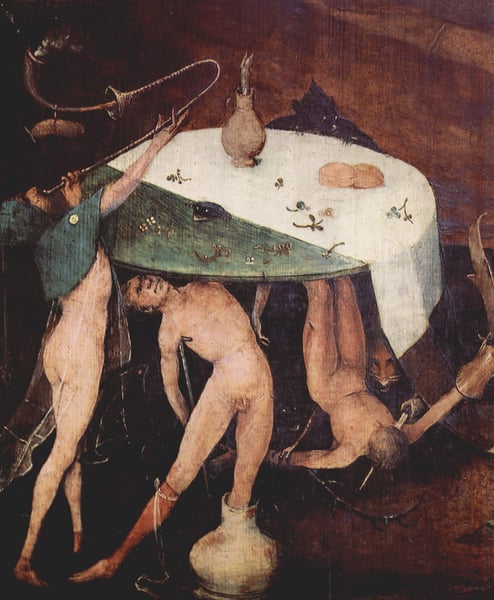
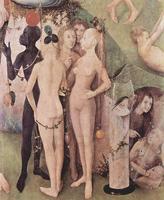
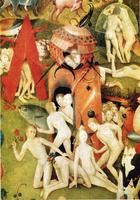
Exemplary Northern Renaissance Traits: As a Northern Renaissance work, this detail demonstrates the period's hallmark emphasis on meticulous, highly detailed execution. Even in a fragment, Bosch's attention to minute, often bizarre elements reflects the Northern tradition of precise observation and symbolic complexity, elevating a religious scene into a dense visual allegory.
-
Genre-Defying Religious Narrative: While firmly a religious painting, the detail transforms a conventional hagiographic subject—St. Anthony's spiritual trials—into a startlingly imaginative and grotesque tableau. This innovation within the genre pushes the boundaries of how a sacred story could be visualized, blending moral instruction with surreal, nightmarish imagery to intensify the psychological drama of temptation.
-
Symbolism and Moral Urgency: Within the Northern Renaissance context, such religious paintings served as both devotional objects and moral lessons. The "detail" format isolates a moment of maximum spiritual peril, forcing the viewer to confront the chaos and deception of earthly temptations. Bosch’s treatment makes the work significant for how it uses fantastical, almost hallucinatory detail—typical of his unique place within the Northern Renaissance—to heighten the timeless struggle between vice and virtue.