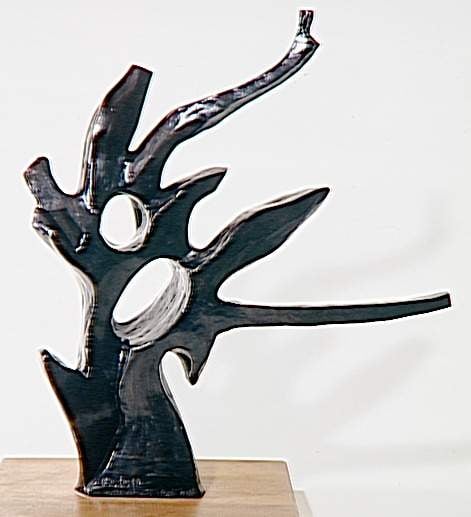
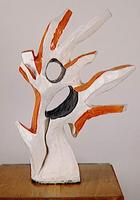
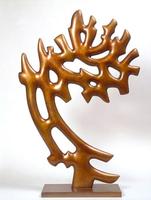
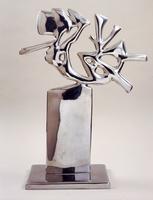
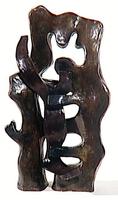
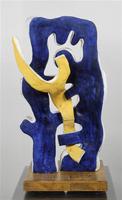
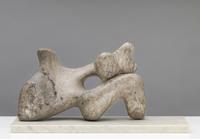
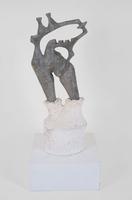
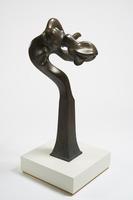
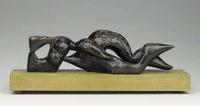
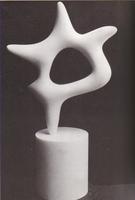
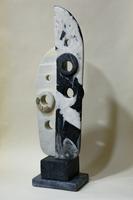
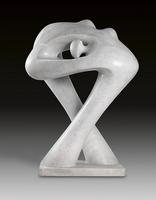
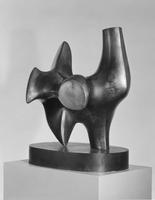
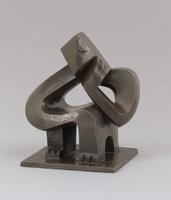
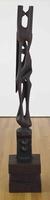
The significance of Fernand Léger's Rockefeller branch lies in its fusion of Surrealist principles with Léger's distinctive visual language, creating a sculptural work that challenges conventional notions of form and meaning. As a Surrealist sculpture, it subverts the expected naturalism of its title—where a "branch" suggests organic growth—by likely reimagining it through mechanical, industrial, or fantastical elements. This juxtaposition echoes Surrealism's core aim to disrupt reality, while Léger's background in Cubism and modernism adds a sharp, geometric precision that grounds the surreal in the tangible. The reference to "Rockefeller" further hints at a critique of wealth, power, and materialism, transforming a simple branch into a symbol of tension between nature and capitalism. The work is significant as it broadens Surrealism's sculptural vocabulary, proving that even a familiar object can become a vessel for political and psychological commentary through radical formal distortion.