Expert Analysis of "Study for the Circus" by Fernand Léger
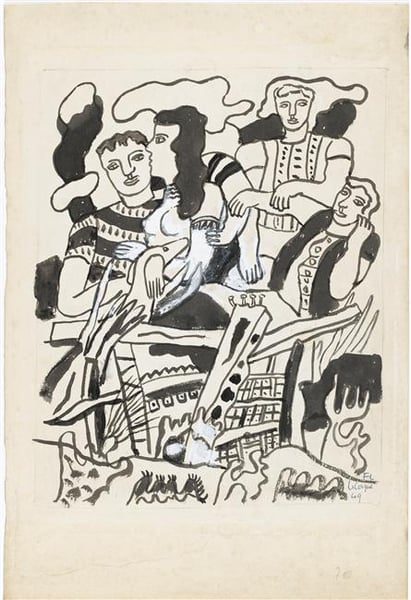
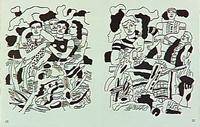
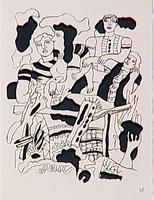
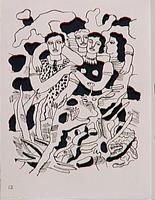
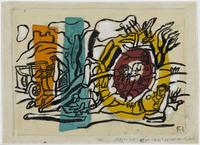
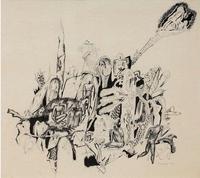
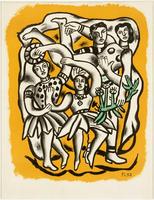
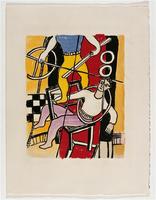
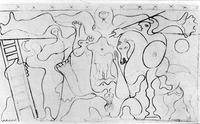
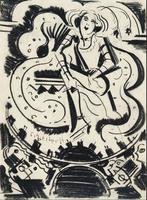
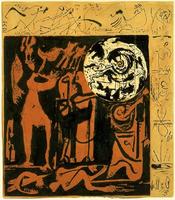
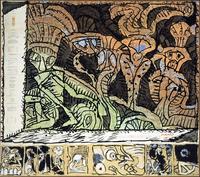
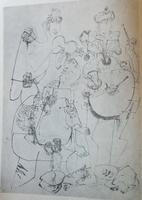
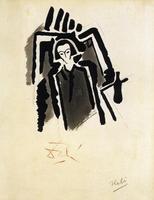
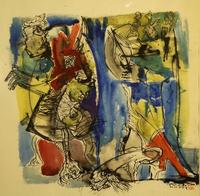
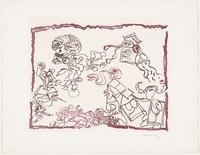
This work stands as a crucial bridge between Léger’s celebrated machine aesthetic and the raw, unmediated energy of Naïve Art (Primitivism). As a sketch and study, it reveals the artist’s method of distilling the circus’s dynamic chaos into essential, almost childlike forms—a hallmark of Primitivism’s rejection of academic refinement. What makes it significant within this style is its deliberate flattening of space and simplification of figures, echoing the directness of folk art and prehistoric cave paintings. Léger uses the circus—a popular, democratic spectacle—to channel a modernist primitivism that values instinct over perspective. The study format underscores his search for a universal visual language, one that reduces performers to bold, geometric silhouettes while retaining the kinetic thrill of the ring. Within Naïve Art, this piece is notable for its fusion of high modernism with vernacular subject matter, anticipating Léger’s later monumental circus compositions and affirming Primitivism as a vehicle for celebrating modern life’s untamed vitality.