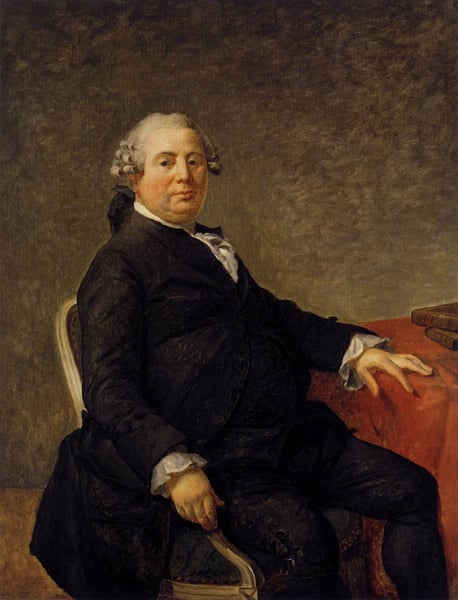
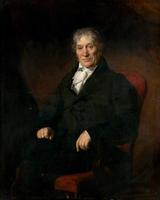
Expert Analysis: Portrait of Philippe-Laurent de Joubert by Jacques-Louis David
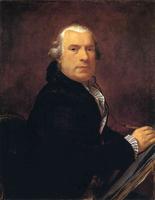
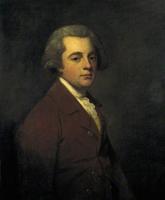
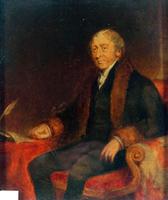
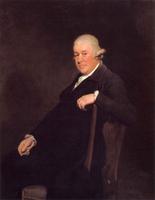
This work is a quintessential example of Neoclassical portraiture, a genre that Jacques-Louis David elevated to a vehicle for moral and intellectual clarity. The painting’s significance lies in its embodiment of Neoclassical ideals—order, restraint, and rational composition—applied to the representation of an individual.
As a portrait, it moves beyond mere likeness to convey the sitter’s character through a disciplined, unadorned aesthetic. David’s use of precise draftsmanship, a sober palette, and a balanced, stable composition reflects the Neoclassical rejection of Baroque theatricality. Every element—from the controlled lighting to the simplified background—focuses attention on the sitter’s dignified presence, suggesting virtues of integrity, intellect, and civic responsibility.
Within the Neoclassical movement, this portrait stands out because David does not idealize through exaggeration but through clarity and structure. The work demonstrates how Neoclassical portraiture could serve as a moral exemplar, making the private individual a subject of public virtue. It is significant precisely because it merges the genre’s intimate purpose with the period’s broader artistic agenda: to depict humanity with reason, restraint, and enduring truth.