Expert analysis of Anthony van Dyck’s Portrait of a Lady
Style: Baroque · Genre: portrait
Expert Analysis: "Portrait of a Lady" by Anthony van Dyck
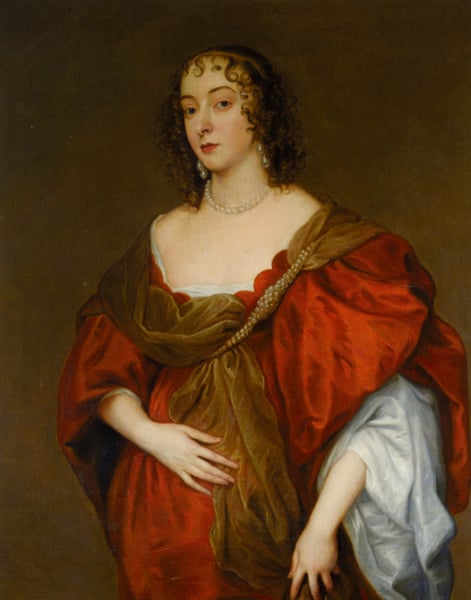
As a masterwork of the Baroque portrait tradition, Anthony van Dyck’s Portrait of a Lady exemplifies the artist’s revolutionary approach to aristocratic representation. Van Dyck, court painter to King Charles I of England, transformed portraiture into a vehicle for conveying both social status and inner grace—a hallmark of the Flemish Baroque style.
Significance within the Baroque Period:
Van Dyck’s portrait is significant for its synthesis of grandeur and intimacy. Unlike earlier, more rigid formal portraits, van Dyck captures the sitter with a relaxed elegance: a slight turn of the head, a soft, direct gaze, and a gentle contrapposto that suggests movement and life. The lady’s attire—rich silks, lace, and pearls—is rendered with meticulous attention to texture, a Baroque fascination with sensory detail. The deep, often dark background typical of van Dyck’s work throws the figure into dramatic relief, focusing all attention on her face and hands, which are subtly expressive.
Psychological Depth and Idealization:
Van Dyck elevates the portrait genre by merging idealized beauty with psychological presence. The lady’s expression is calm yet knowing, projecting a sense of noble self-possession. Her skin tones are luminous, softened by translucent glazes, while the subtle shadows around the eyes and mouth hint at a private interior world. This blending of courtly artifice with human vulnerability made van Dyck the definitive portraitist of the European aristocracy, influencing generations from Gainsborough to Sargent.
Composition and Color:
The composition is deceptively simple: the figure is set at a three-quarter view, with one hand resting lightly—sometimes on a chair, a table, or holding a flower—creating a diagonal tension that animates the canvas. Van Dyck’s palette is restrained but luxurious: deep blacks, warm silvers, and accents of blue or rose, all unified by a silvery-gray tonality that became his signature. The handling of paint is both precise and fluid, with confident brushstrokes in the fabric and softer, blended passages in the flesh.
Ultimately, Portrait of a Lady is significant not only as a stunning example of Baroque portraiture but as a defining statement of van Dyck’s legacy: the transformation of the portrait into a mirror of aristocratic ideals, where elegance, power, and humanity coexist in perfect harmony.
Museum / Gallery
Visually similar
20 works with related composition and palette
Portrait of Anne Carr, Countess of Bedford
Anthony van Dyck
Unknown Lady
Cornelius Johnson
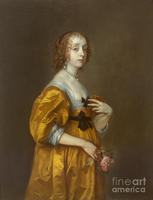
Mary Villiers Lady Herbert of Shurland
Anthony van Dyck
Portrait of a Young Woman
Nicolaes Maes
Portret Królowej Ludwiki Marii Gonzagi De Nevers
Ferdinand Bol
Catherine Vernon, Mrs George Vernon of Sudbury
John Riley
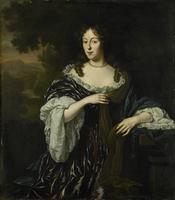
Maria Schaep, Echtgenote Van Hendrick Bicker
Michiel van Musscher
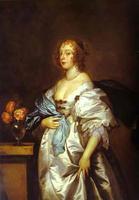
Lady Borlase
Anthony van Dyck
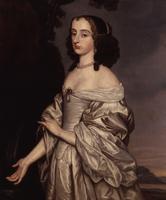
Probably Mary, Princess of Orange
Gerard van Honthorst
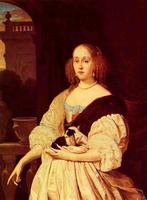
Portrait of a Young Lady
Frans van Mieris the Elder
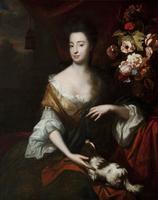
Portrait of a Lady with a Dog
Haerman Verelst
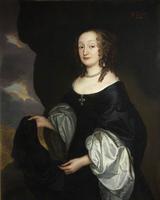
The Honourable Florence Pigott
John Hayls
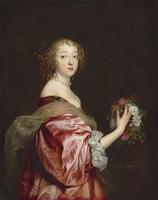
Catherine Howard, Lady D'aubigny
Anthony van Dyck
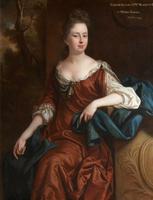
Elizabeth Kirkley
John Riley
Elizabeth Mulso
John Riley
Catherine Dormer Daughter of Montagu Bertie 2nd Earl of Lindsey
John Michael Wright
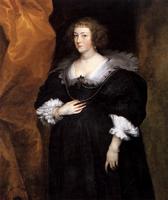
Portrait of a Lady
Anthony van Dyck
Queen Henrietta Maria Of England
Anthony van Dyck
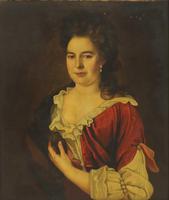
Portrait of a lady, believed to be Lady Fitzhardinge (1654-1708), head and shoulders, in a red dress, wearing pearl drop earrings and a pearl armband, holding her long hair
Jonathan Richardson
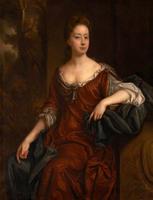
Mary Morice of Wirrington
John Riley