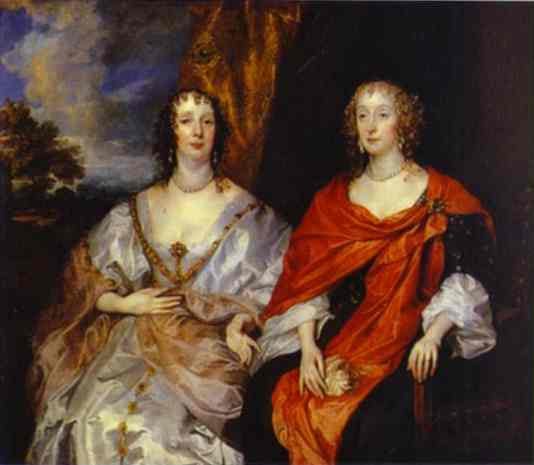
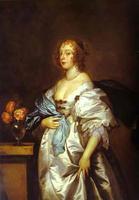
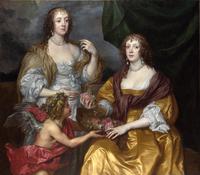
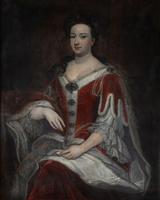
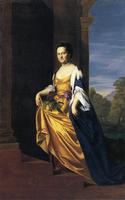
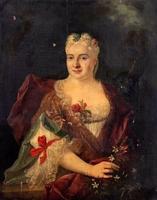
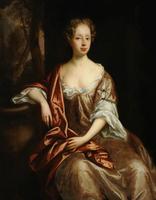
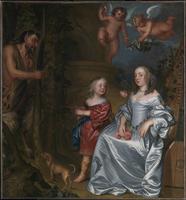
Anthony van Dyck’s Portrait of Anna Dalkeith, Countess of Morton, and Lady Anna Kirk is a masterful example of Baroque portraiture, a genre that van Dyck himself helped to define. The work’s significance lies in its synthesis of aristocratic grandeur with intimate psychological nuance—a hallmark that made van Dyck the leading court portraitist of his era. In this double portrait, the artist’s characteristic Baroque dynamism is expressed through the elegantly intertwined poses of the two sitters, creating a sense of both familial closeness and social hierarchy. The soft, atmospheric handling of light and rich color harmonies elevate the scene beyond mere likeness, imbuing the subjects with the poise and refinement that typify the Flemish Baroque’s celebration of status and virtue. For van Dyck, this kind of composition was not just a record of identity but a statement of lineage and grace, setting a standard for European aristocratic portraiture for centuries to come.