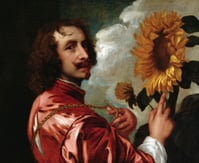
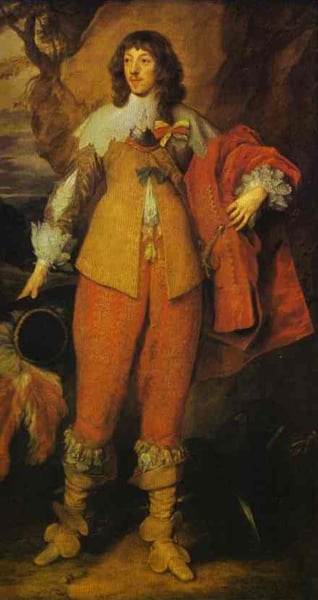
Expert analysis of Anthony van Dyck’s Portrait of Henri II de Lorraine, Duc de Guise
Style: Baroque · Genre: portrait
Expert Analysis: Portrait of Henri II de Lorraine, Duc de Guise by Anthony van Dyck
As a masterwork of the Baroque era, van Dyck’s portrait epitomizes the period’s fusion of psychological depth with aristocratic grandeur. Painted during the artist’s mature phase, this work exemplifies the shift from static court portraiture to dynamic, character-driven representation—a hallmark of Baroque innovation.
Significance within the Baroque Style: Van Dyck employs Baroque conventions—dramatic chiaroscuro, rich, opulent color, and a sense of movement—to elevate the sitter from mere nobleman to an embodiment of power and grace. The subtle tilt of the head, the direct yet slightly aloof gaze, and the luxuriant rendering of fabric and lace all convey the duc’s status and inner life. Unlike earlier, more rigid portraits, van Dyck’s brushwork breathes vitality into the figure, making the painting feel like a living encounter.
Significance as a Portrait: This portrait is a quintessential example of van Dyck’s revolutionary approach to court portraiture, which influenced European painting for generations. By balancing formal dignity with naturalistic ease, he created an idealised yet convincingly individual likeness—one that captures the duc’s aristocratic poise without slipping into cold formality. The work demonstrates how van Dyck’s portraits served not only as records of identity but as statements of political and social authority, reinforcing the sitter’s place within the intricate hierarchies of 17th-century courts.
In essence, this painting stands as a vital document of the Baroque portrait’s power to merge realism with theatricality, and van Dyck’s enduring legacy as the painter who redefined aristocratic representation.
Visually similar
20 works with related composition and palette
Robert Rich
Anthony van Dyck
George Digby, 2nd Earl of Bristol and William Russell, 1st Duke of Bedford
Anthony van Dyck
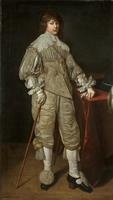
Portrait of Prince Janusz Radziwiłł
David Bailly
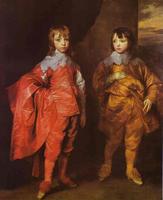
George Villiers, 2nd Duke of Buckingham and His Brother Lord Francis Villiers
Anthony van Dyck
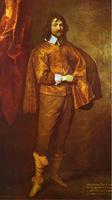
Arthur Goodwin, M.P. (oil on canvas)
Anthony van Dyck
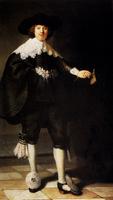
Portrait Of Maerten Soolmans
Rembrandt
Portrait of a Young Man
Jacob Fransz. van der Merck
Thomas Bruce (1599–1663), 1st Earl of Elgin
Cornelius Johnson
Lord John and Lord Bernard Stuart
Anthony van Dyck
Johan Oxenstierna
Anthony van Dyck
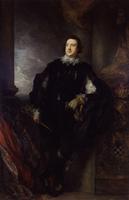
Charles Howard, 11th Duke of Norfolk
Thomas Gainsborough
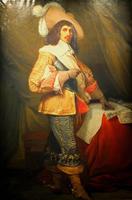
Marechal De France En 1643
Jean Alaux
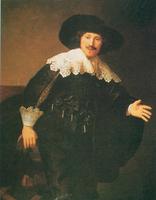
Man Standing Up
Rembrandt
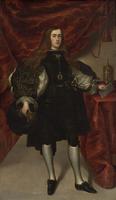
Portrait of the Duke of Pastrana
Juan Carreno de Miranda
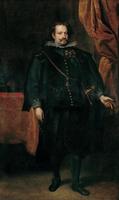
Diego De Mexia, Marquess Of Leganes
Anthony van Dyck
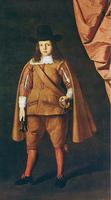
Portrait of a boy (The Duke of Medinaceli)
Francisco de Zurbaran
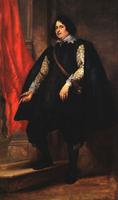
Portrait of a Gentleman
Anthony van Dyck
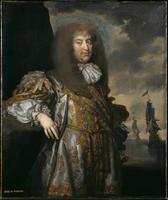
Henry Howard, 6th Duke of Norfolk
Gilbert Soest
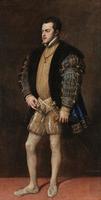
Portrait of Philip II
Titian
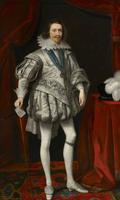
George Villiers (1592–1628), 1st Duke of Buckingham
Daniel Mytens the Elder