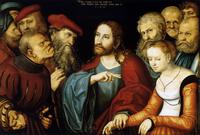
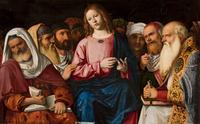
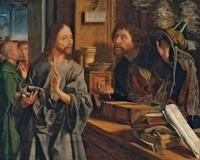
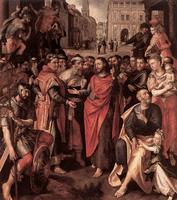
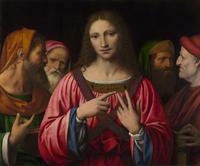
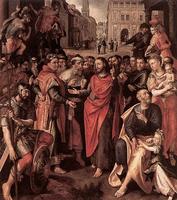
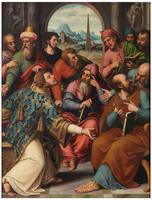
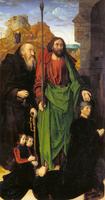
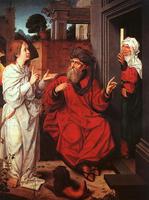
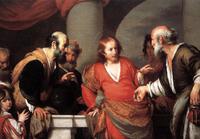
This analysis focuses exclusively on the structured facts provided: the artwork "Christ and the Adulteress" by Lucas Cranach the Elder, its Northern Renaissance style, and its religious painting genre.
Analysis of Significance
Within the Northern Renaissance, Lucas Cranach the Elder stands as a pivotal figure whose religious paintings serve as potent vehicles for moral instruction and humanist inquiry. "Christ and the Adulteress" is significant as a prime example of how Northern Renaissance artists synthesized theological narrative with the period's hallmark attention to naturalistic detail and symbolic clarity. The work’s religious genre is not merely devotional but also didactic: it vividly presents the biblical account of mercy and forgiveness, a theme that resonated deeply with Reformation-era audiences. Cranach’s handling of the subject—combining precise, linear contours with rich, translucent color—exemplifies the Northern Renaissance emphasis on surface realism and accessible storytelling. The painting’s significance therefore lies in its ability to embody the core tensions of its era: between sin and redemption, law and grace, and the role of art as both a spiritual mirror and a record of human character. As a religious painting of the Northern Renaissance, it contributes to the legacy of Cranach’s workshop, which produced influential works that shaped Protestant iconography while maintaining the aesthetic values of the earlier Northern tradition.