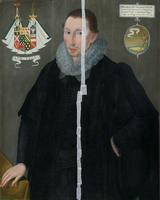
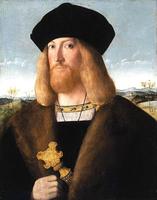
Artwork Analysis: Electors of Saxony: Friedrich the Wise, Johann the Steadfast and Johann Friedrich the Magnanimous by Lucas Cranach the Elder
Style/Period: Northern Renaissance
Genre: Portrait
Significance:
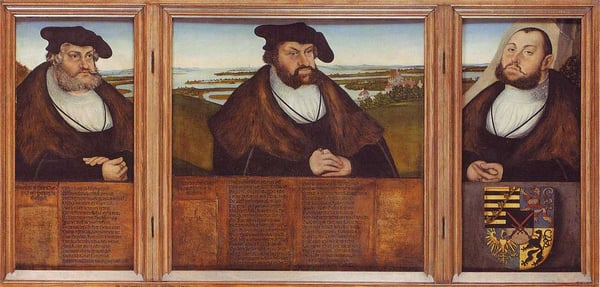
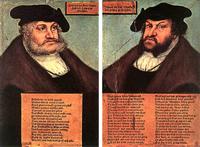
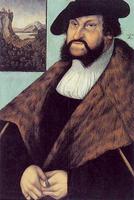
This triple portrait by Lucas Cranach the Elder is a masterwork of political and religious propaganda, encapsulating the intertwined roles of art, power, and the Reformation in 16th-century Germany. Cranach, as the court painter to the Saxon electors, creates not merely a likeness of three successive rulers but a visual manifesto of their shared legacy as defenders of Lutheranism.
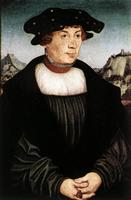
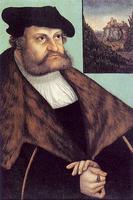
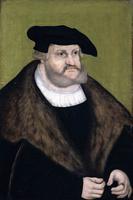
The composition is remarkable for its early example of a dynastic group portrait—a novel format that asserts continuity of leadership and ideological commitment. Friedrich the Wise (center), who protected Martin Luther after the Diet of Worms, is flanked by his brother Johann the Steadfast (left) and Johann Friedrich the Magnanimous (right), each identified by inscriptions. Cranach’s signature Northern Renaissance style is evident in the meticulous rendering of textures—the sheen of velvet, the crispness of fur, the gleam of armor—and the elegantly elongated figures typical of his mature work.
More than a record of faces, the painting functions as a visual endorsement of the Reformation. The electors’ dignified poses, direct gazes, and costly attire signal their authority and piety. Cranach’s precise linearity and cool, bright palette (emphasized by the contrasting dark backgrounds) lend the work a timeless, iconic quality, elevating the subjects to models of righteous governance.
Its significance also lies in its role as propaganda for the nascent Protestant identity. By grouping these three rulers—each a key ally of Luther—the artwork reinforces the idea that the Saxon line is divinely ordained to champion the new faith. Cranach’s inclusion of heraldic emblems and inscriptions further anchors the piece in both historical record and political doctrine.
Within the Northern Renaissance, this portrait stands as a quintessential example of how art served to legitimize power and belief, blending technical virtuosity with ideological purpose. It remains a cornerstone for understanding the intersection of portraiture, patronage, and religious upheaval in early modern Europe.