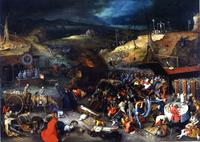
Expert Analysis: "The Martyrdom of St. Catherine" by Lucas Cranach the Elder
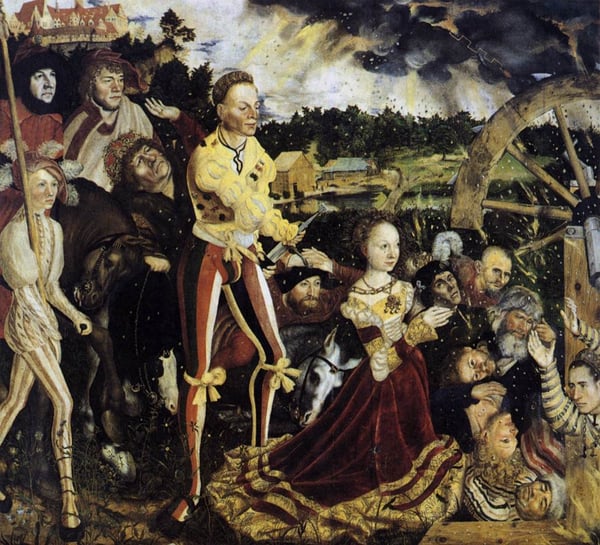
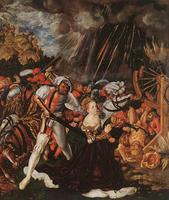
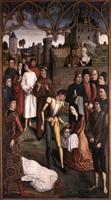
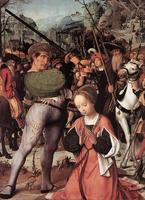
As a defining work of the Northern Renaissance, Cranach’s painting transforms a traditional religious subject into a study of psychological intensity and refined naturalism. St. Catherine is depicted at the moment of her martyrdom—typically shown with the broken spiked wheel (her initial torture device) and the sword of her beheading—set against a lush, detailed landscape that exemplifies the Northern Renaissance fascination with observable reality. Cranach’s characteristic stylistic hallmarks are on full display: elongated, sinuous figures; sharp, linear drapery folds; and a luminous, jewel-toned palette that heightens the emotional stakes.
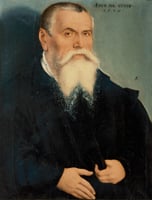
The work’s significance lies in how it bridges late Gothic spirituality with Renaissance humanism. St. Catherine’s serene, almost detached expression contrasts with the violent subject, inviting the viewer to contemplate faith over suffering. Cranach also infuses the scene with his signature courtly elegance—her richly patterned gown and intricate headdress reflect his role as court painter to the Electors of Saxony, merging devotional imagery with contemporary fashion. This blend of sacred narrative, meticulous naturalistic detail (from foliage to fabric texture), and subtle political/religious undercurrents—Cranach worked closely with Martin Luther—makes the painting a quintessential example of the Northern Renaissance’s shift toward individual expression within established iconography.