Expert analysis of Georges Seurat’s The Eiffel Tower
Style: Pointillism, Neo-Impressionism · Genre: cityscape
Expert Analysis: "The Eiffel Tower" by Georges Seurat
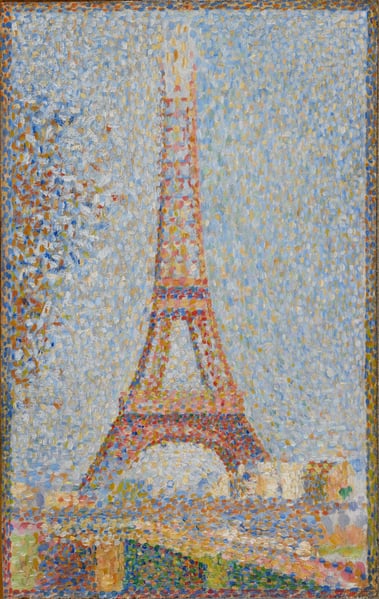
Georges Seurat’s The Eiffel Tower (c. 1889) stands as a landmark work within the Neo-Impressionist movement and a quintessential example of Pointillism. Executed in the genre of cityscape, the painting captures the newly completed Eiffel Tower—then a controversial symbol of modernity—through Seurat’s revolutionary technique of applying tiny, distinct dots of pure color. This method, which Seurat called divisionism or chromo-luminarism, relies on the optical mixing of hues in the viewer’s eye rather than physical blending on the canvas, producing a vibrant, luminous effect that mirrors the play of natural light.
The work’s significance lies in its synthesis of rigorous scientific theory and contemporary subject matter. Seurat, a pioneer of Neo-Impressionism, rejected the spontaneity of Impressionism in favor of a systematic application of color based on contemporary color theory (notably the work of Michel Eugène Chevreul and Ogden Rood). By depicting a steel-and-glass landmark rising above the Parisian skyline, Seurat elevates an industrial, modern structure to the realm of fine art, challenging traditional hierarchies of subject matter. The composition’s careful balance of vertical thrust (the tower) and horizontal stability (the surrounding sky and trees) demonstrates Seurat’s mastery of structure even within a seemingly fleeting city view.
Moreover, The Eiffel Tower is a poignant testament to Seurat’s brief career; he died at 31, leaving only a handful of major works. This painting, created just two years before his death, showcases the full maturity of his Pointillist style. The dappled surface—an intricate mosaic of complementary colors (e.g., orange and blue, yellow and violet)—creates a shimmering atmosphere, capturing both the physical presence of the tower and the ephemeral quality of a sunny day. In doing so, Seurat not only defined Neo-Impressionism but also laid the groundwork for later modern art movements, from Fauvism to Color Field painting.
Museum / Gallery
Visually similar
20 works with related composition and palette
Eiffel Tower and The Seine
Pierre Bonnard
The Red Tower
Robert Delaunay
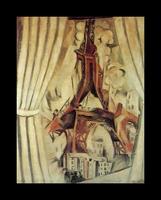
Window, Eiffel Tower
Robert Delaunay
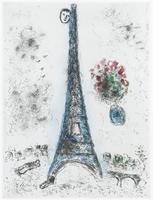
Illustration for Louis Aragon's work "One who says things without saying anything"
Marc Chagall
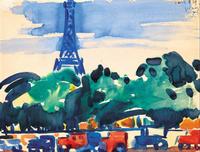
Vaszary János, Párizs 1929
Vaszary János
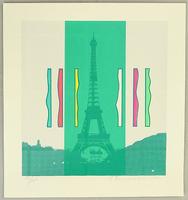
897
Funasaka Yoshisuke
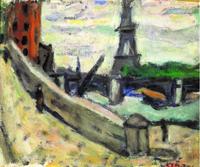
Czobel Szajnapart
Bela Czobel
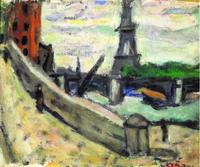
Czobel Szajnapart
Bela Czobel
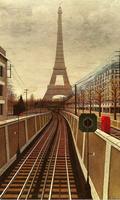
Le Metro aerien
Jules Lefranc
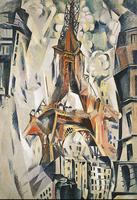
Eiffel Tower
Robert Delaunay
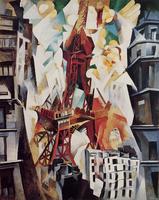
Eiffel Tower
Robert Delaunay
The Tower
Tahreem Syeda
Cosmopolis Nomad
Wojciech Siudmak
The Sky over the City
Louis Hayet
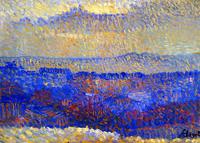
Sun Behind the Clouds
Louis Hayet
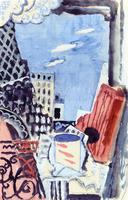
The Window overlooking the Eiffel Tower
Louis Marcoussis
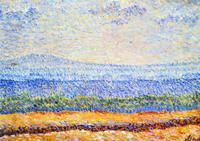
Landscape of Vexin
Louis Hayet
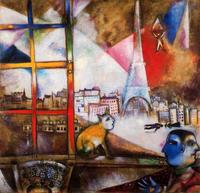
Paris through the Window
Marc Chagall
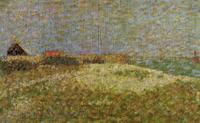
The away Samson in Grandcamp
Georges Seurat
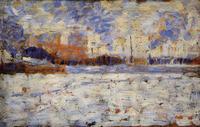
Snow Effect: Winter in the Suburbs
Georges Seurat