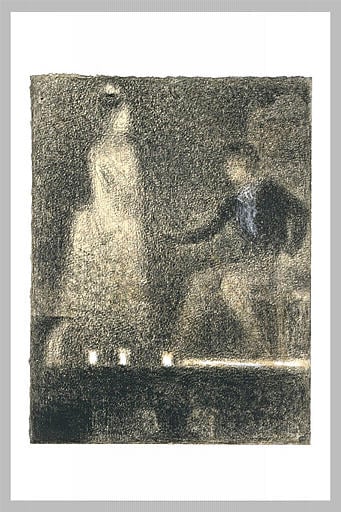
Analysis of "The scene in the theater" by Georges Seurat
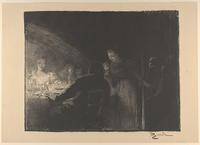
Georges Seurat’s The scene in the theater exemplifies the revolutionary techniques of Pointillism and Neo-Impressionism applied to the tradition of genre painting. Within the context of the late 19th century, Seurat’s methodical use of tiny, distinct dots of pure color—rather than blended brushstrokes—represents a deliberate shift away from the spontaneity of Impressionism toward a more scientific approach to light and color.
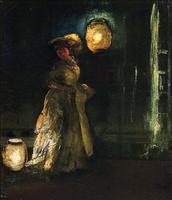
The choice of a theater as a subject is significant: it allows Seurat to explore the interplay of artificial illumination and shadow, a challenge particularly suited to his pointillist technique. By rendering a bustling, socially charged interior through systematic optical mixing, he transforms a common genre scene into a study of perception. The work’s significance lies in how it demonstrates Neo-Impressionism’s core ambition—to create luminous, vibrating surfaces while maintaining compositional stability—thereby elevating a contemporary leisure activity into a rigorous demonstration of color theory. This painting stands as a testament to Seurat’s role as a pioneer who merged cutting-edge science with the timeless appeal of everyday life.