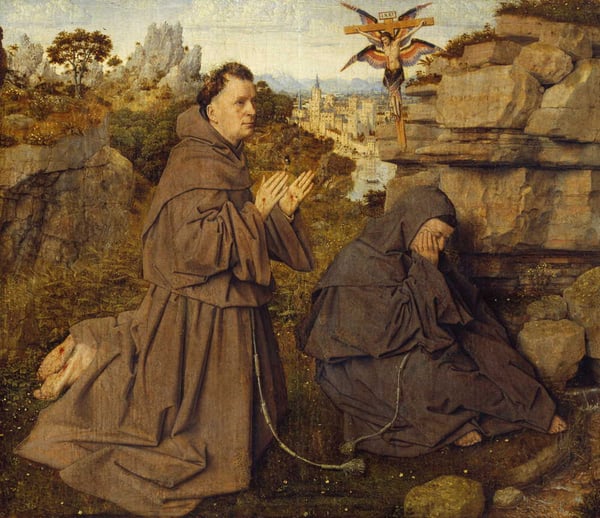
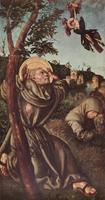
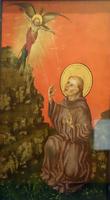
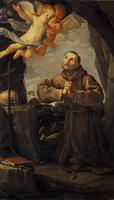
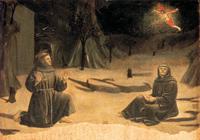
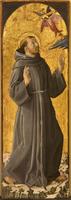
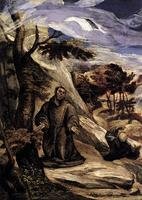
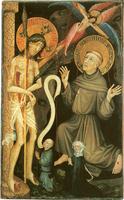
As a religious painting by Jan van Eyck, a defining master of the Northern Renaissance, St. Francis Receiving the Stigmata is significant for exemplifying the core innovations of its style and period. The Northern Renaissance is characterized by an unprecedented attention to naturalistic detail, achieved through the perfection of oil painting techniques. In this work, van Eyck would have rendered the sacred scene with meticulous precision—capturing textures of fabric, rock, and flora—to create a tangible, earthly setting for a divine miracle. The genre of religious painting here becomes a vehicle for symbolic realism: every element, from the landscape to the figure of St. Francis, is imbued with spiritual meaning, yet depicted with observational accuracy. This fusion of the holy with the hyper-realistic marks a pivotal shift away from the more stylized Gothic tradition, making the painting a landmark of early Netherlandish art that influenced generations of European painters.